Compact elite infantry, phalanx durability, and punishing defensive counterplay.
Playstyle: Sparta wins by surviving battle, forcing bad attacks, and turning endurance into battlefield superiority.
- Excellent Defense Position play
- Powerful survival and counterattack tactics
- Strong protection for units that hold the line
Balance Focus: Retuned around Infantry defense and counterplay rather than generic protection.
Units (9)
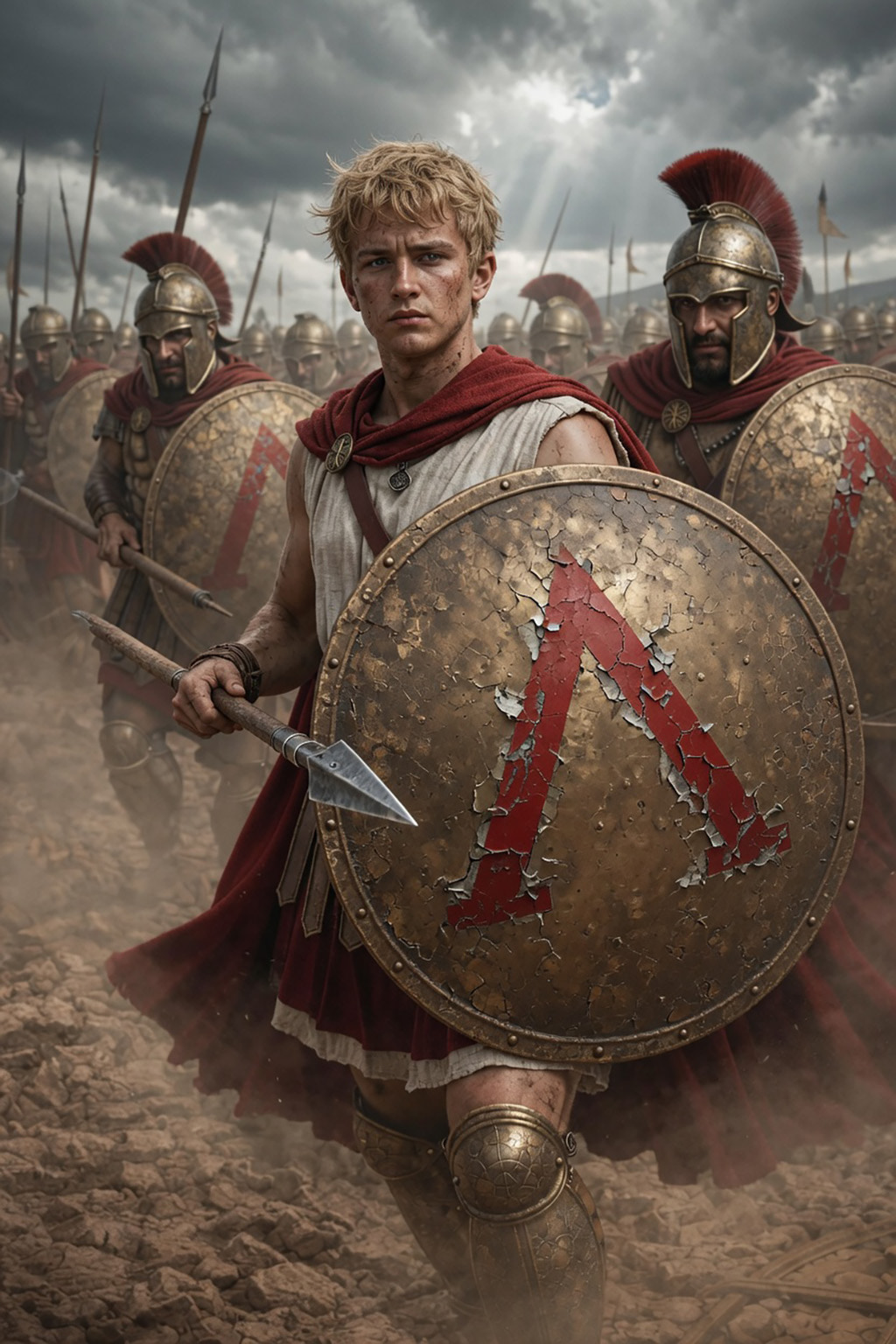
Shield-Bearer Youths
Spartan youths were raised through the agoge, where endurance, obedience, and preparation for military service were central.
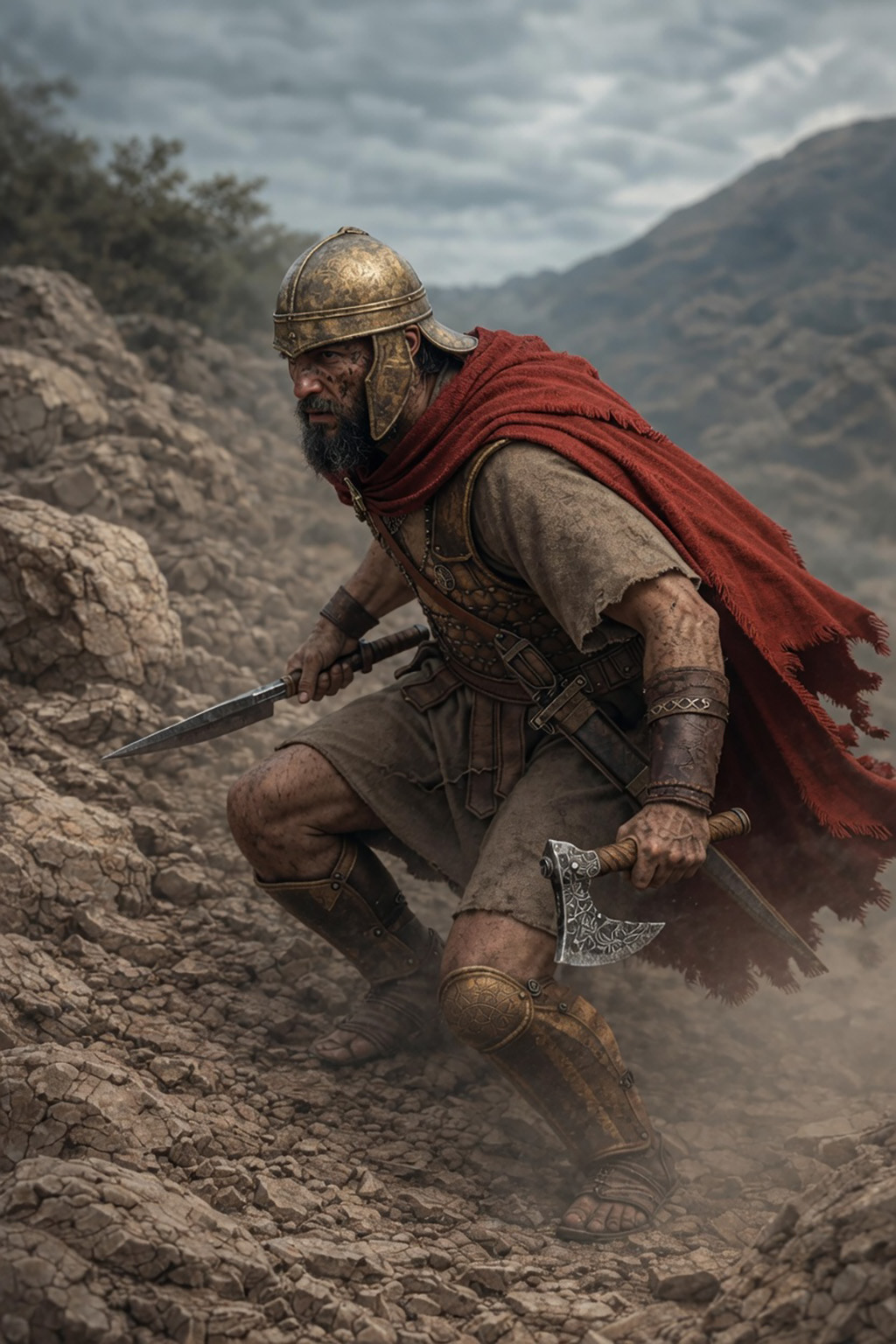
Skiritai Scouts
The Skiritai were hardy frontier troops associated with scouting, screening, and service on exposed parts of the Spartan line.
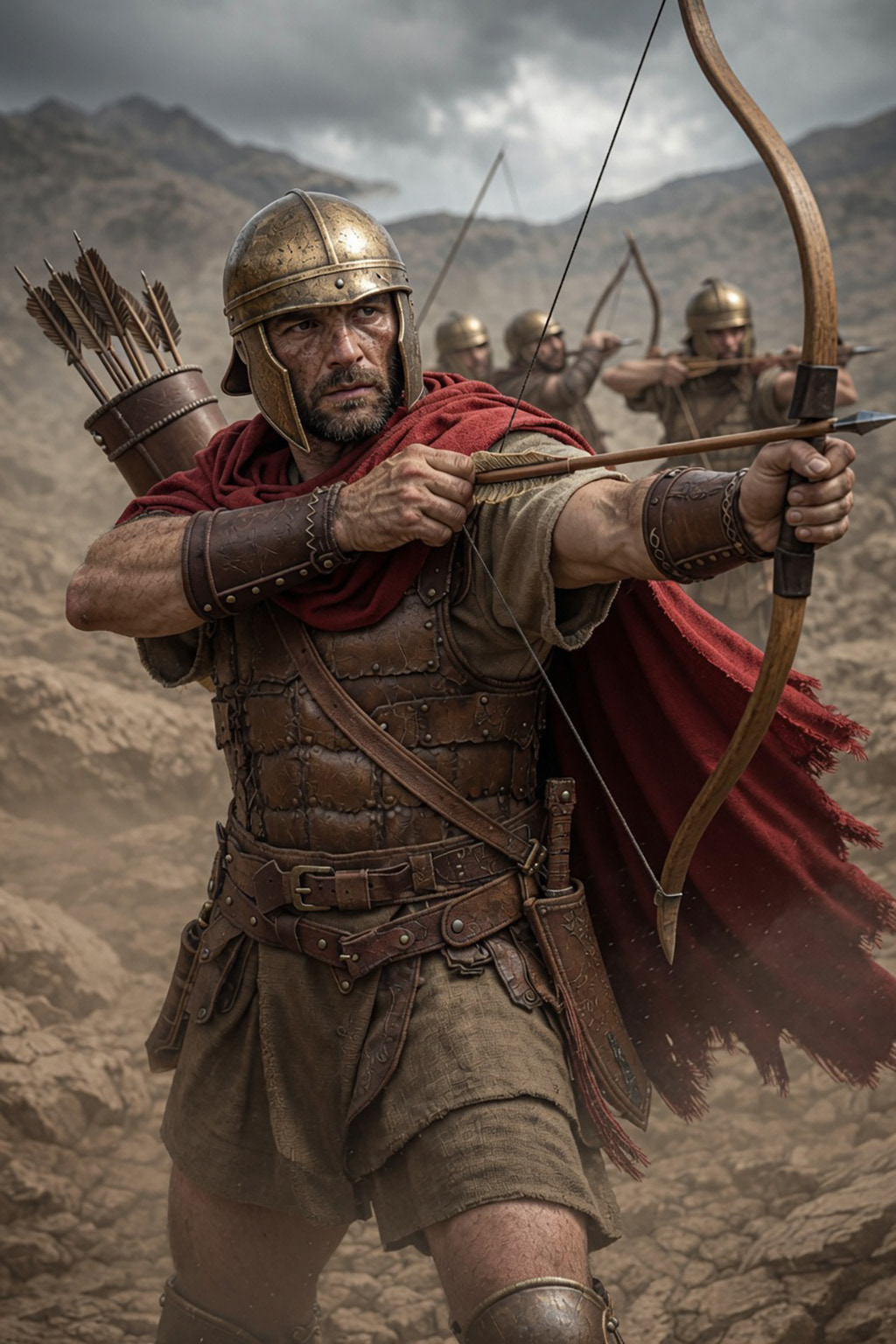
Spartan Archers
Archery was not the signature arm of Sparta, but missile troops could still appear in Greek armies as supporting elements.
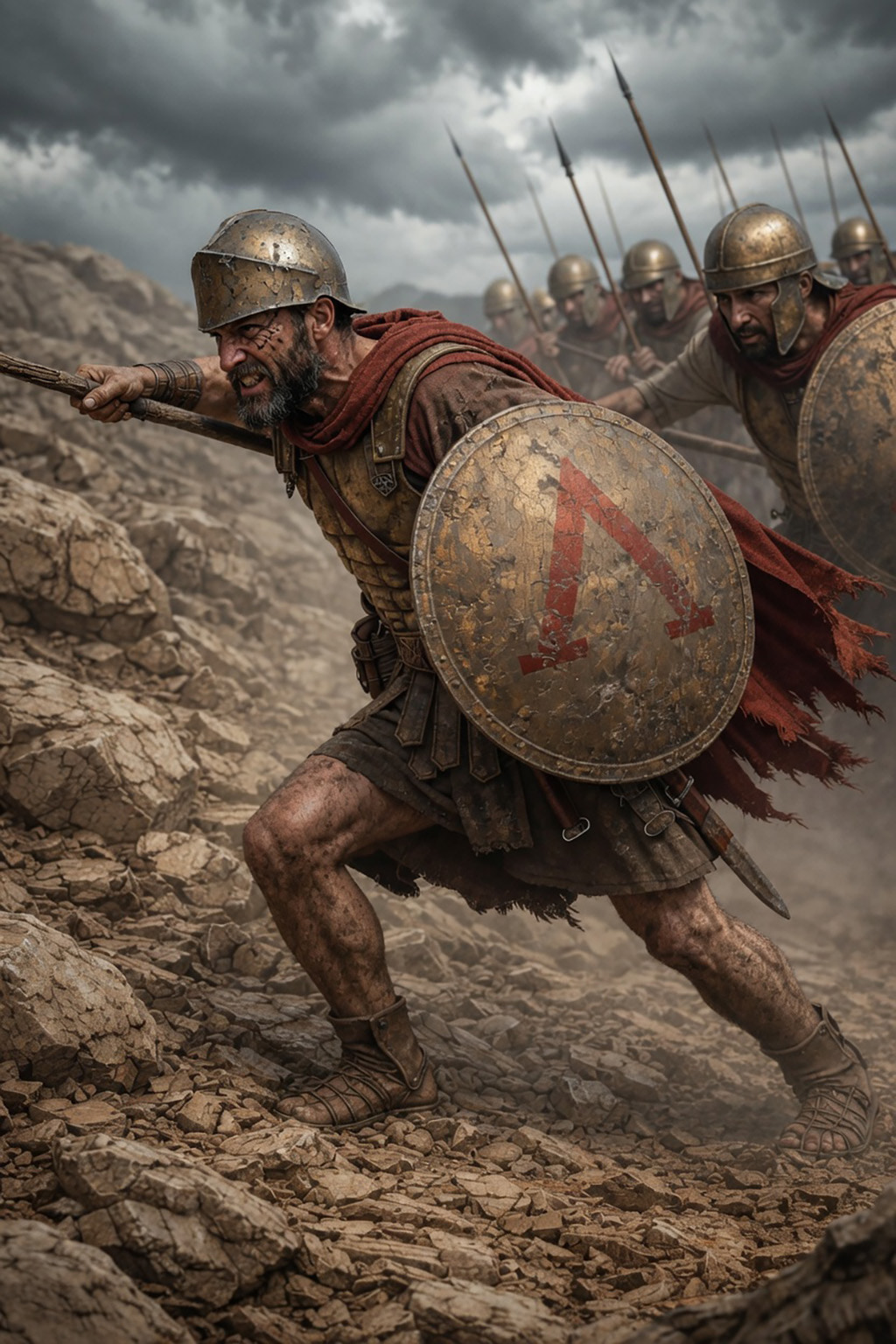
Perioikoi Spearmen
The perioikoi were free but non-citizen inhabitants of Laconia who served Sparta in war, often as infantry and craftsmen.
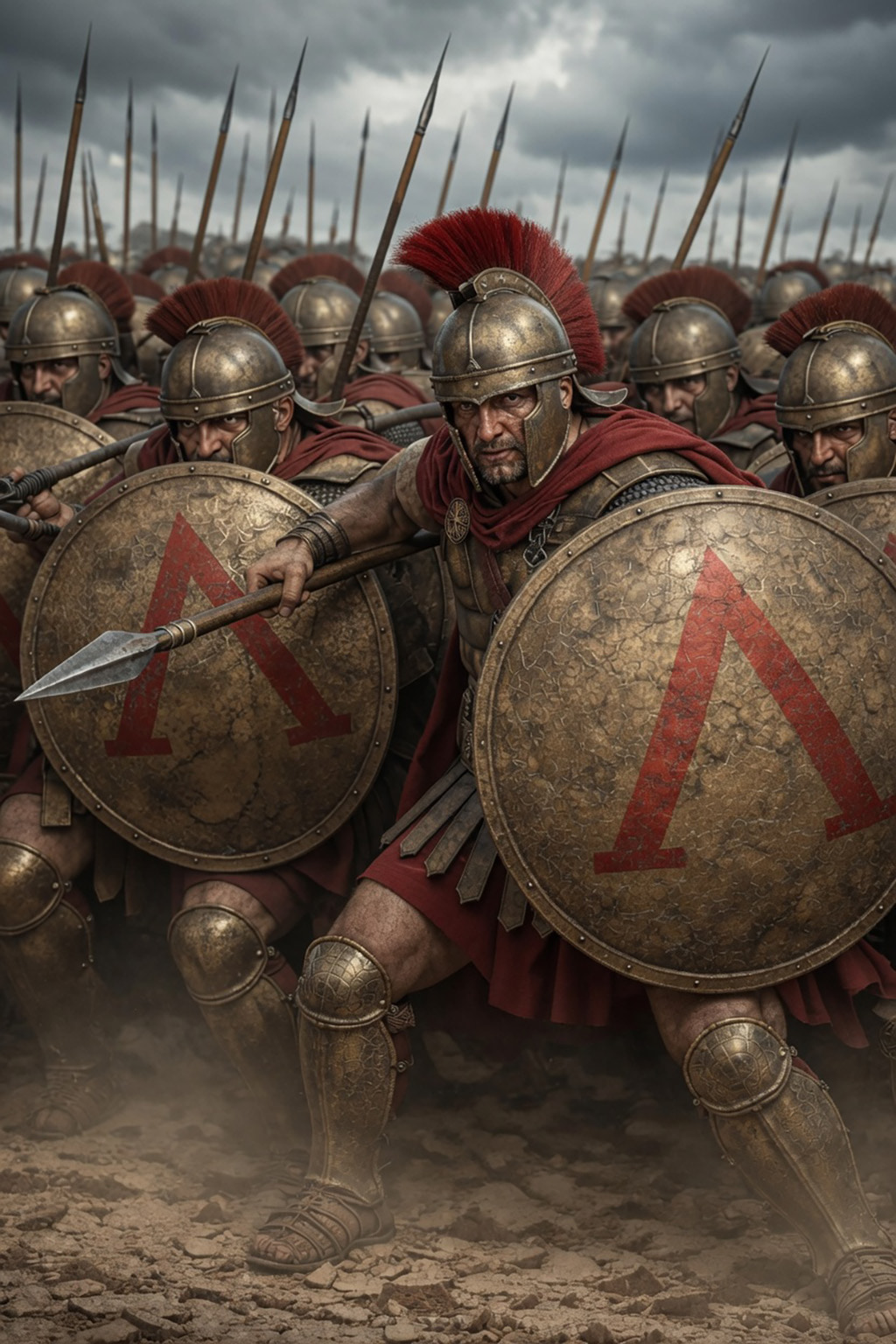
Spartan Hoplites
A Spartan hoplite was a heavily armed citizen infantryman trained to fight in the phalanx with spear, shield, cuirass, and helmet.
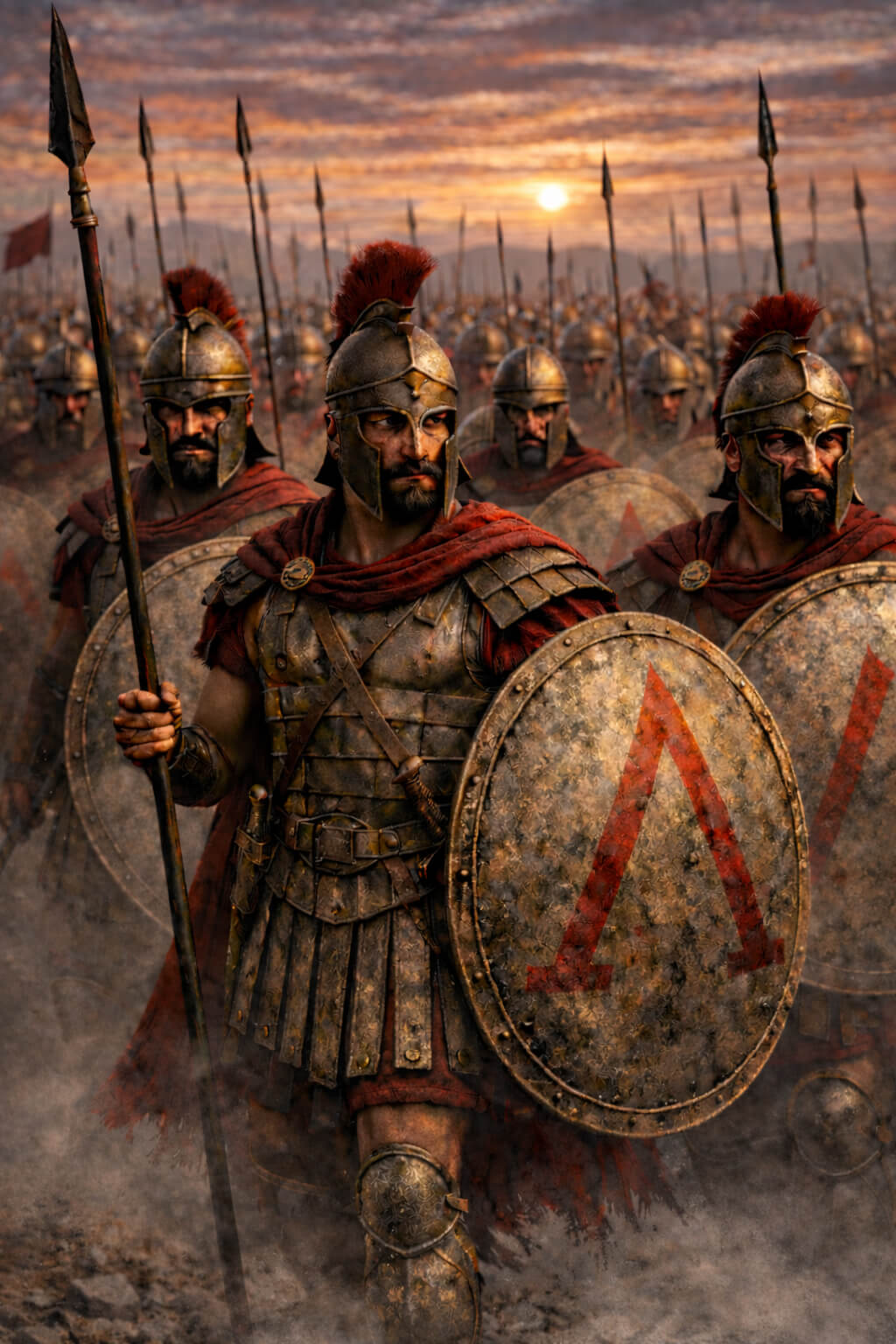
Royal Guard Hippeis
The hippeis were the selected royal guard of Sparta; despite the name, they were primarily elite foot retainers rather than cavalry in the classical sense.
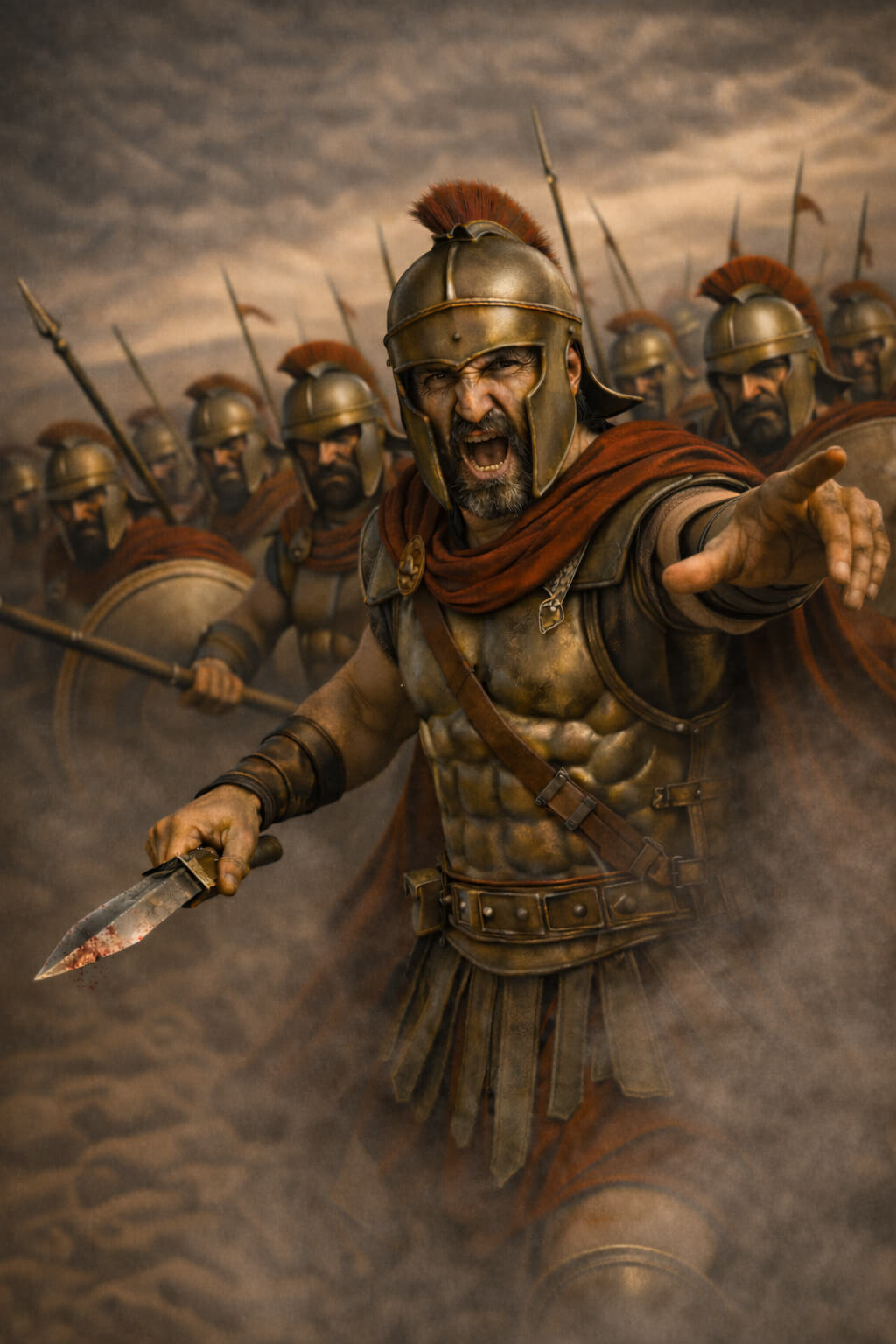
Polemarch of Sparta
A polemarch was a high military official; in Greek usage the title is associated with war leadership and command authority.
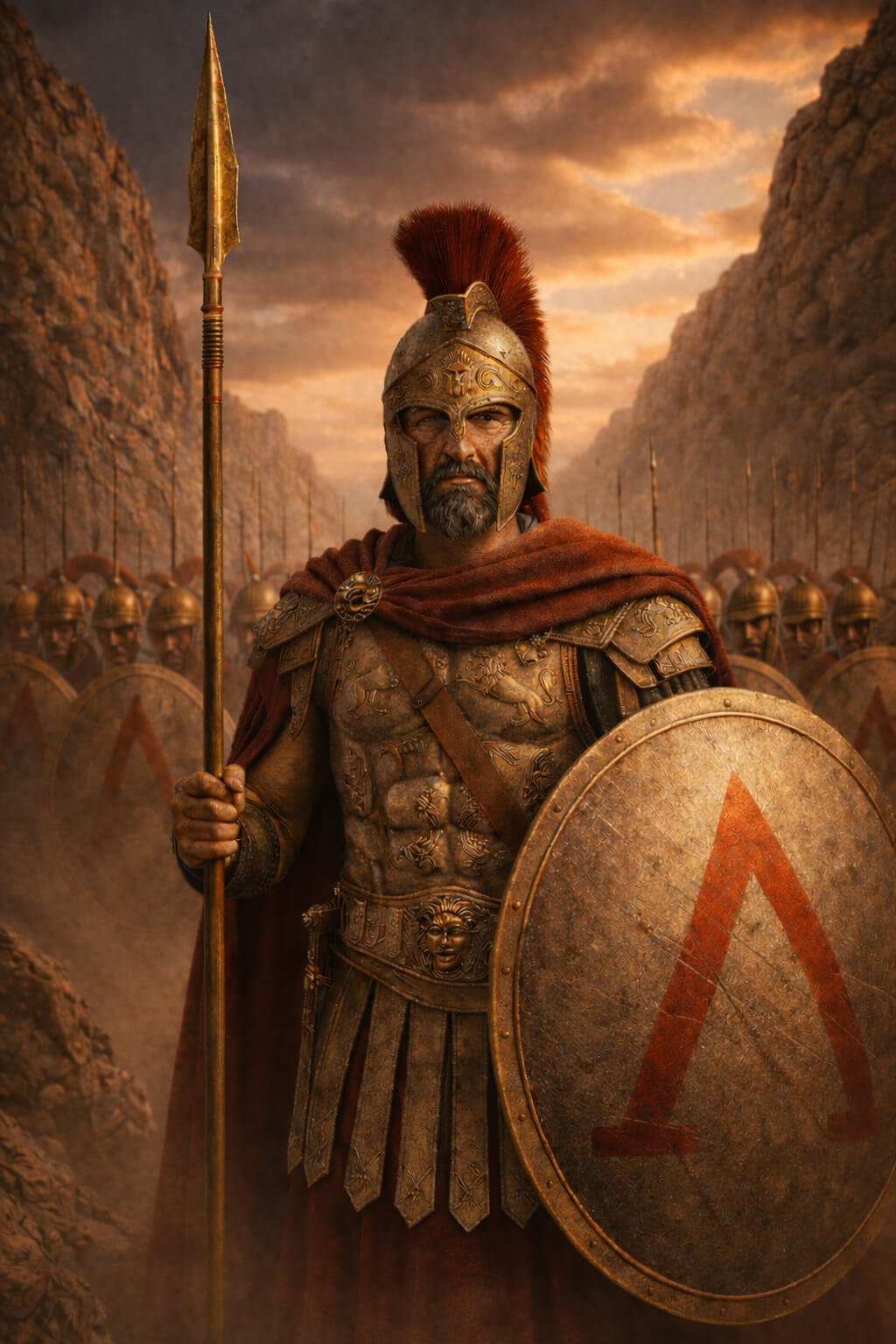
Leonidas, King of Sparta
Leonidas I was the Agiad king of Sparta who became famous for leading the Spartan stand at Thermopylae in 480 BCE.
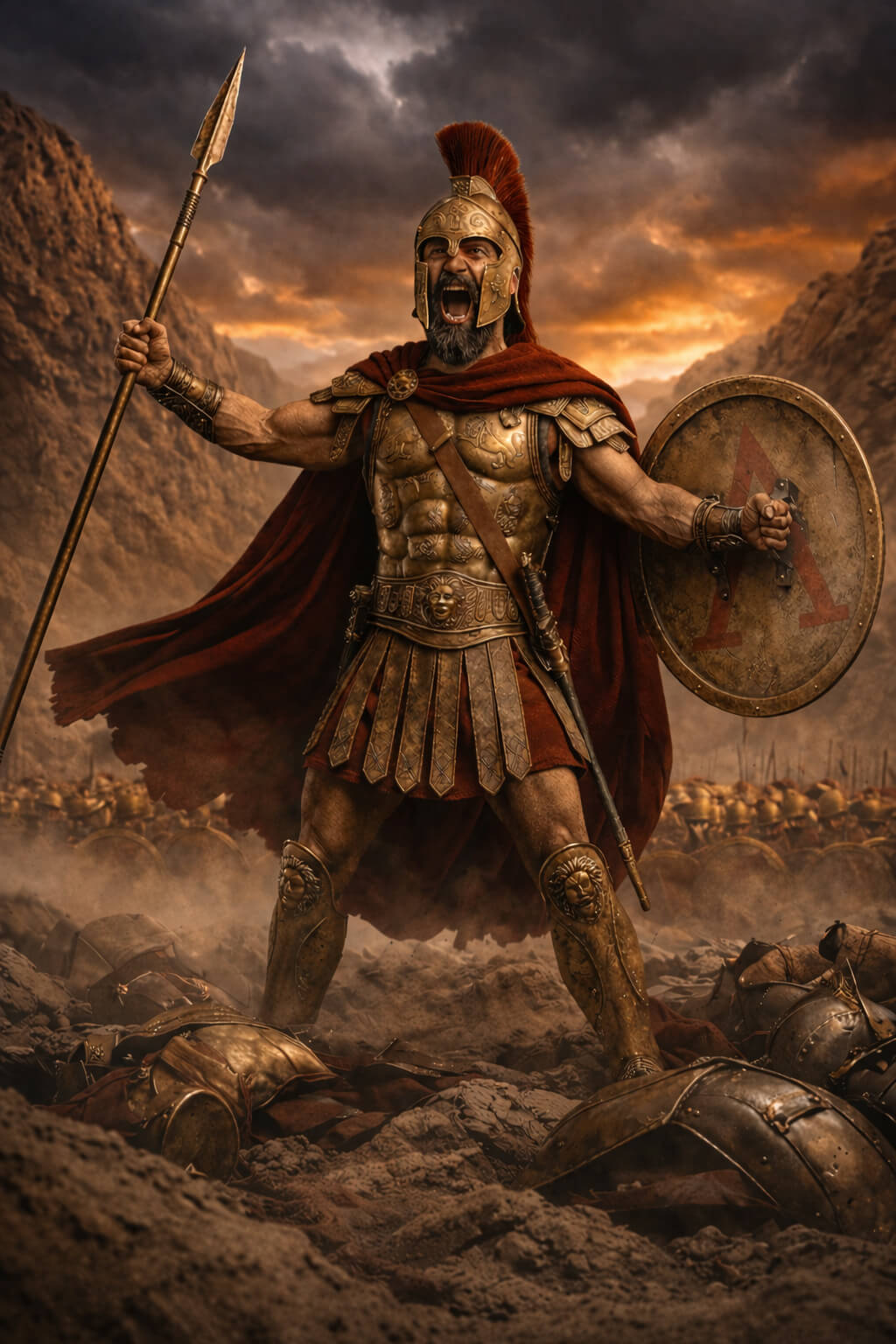
Leonidas, Voice of Defiance
Leonidas became a symbol of defiant resistance after Thermopylae, where his stand entered Greek and later Western memory as an example of martial sacrifice.
Doctrines (5)
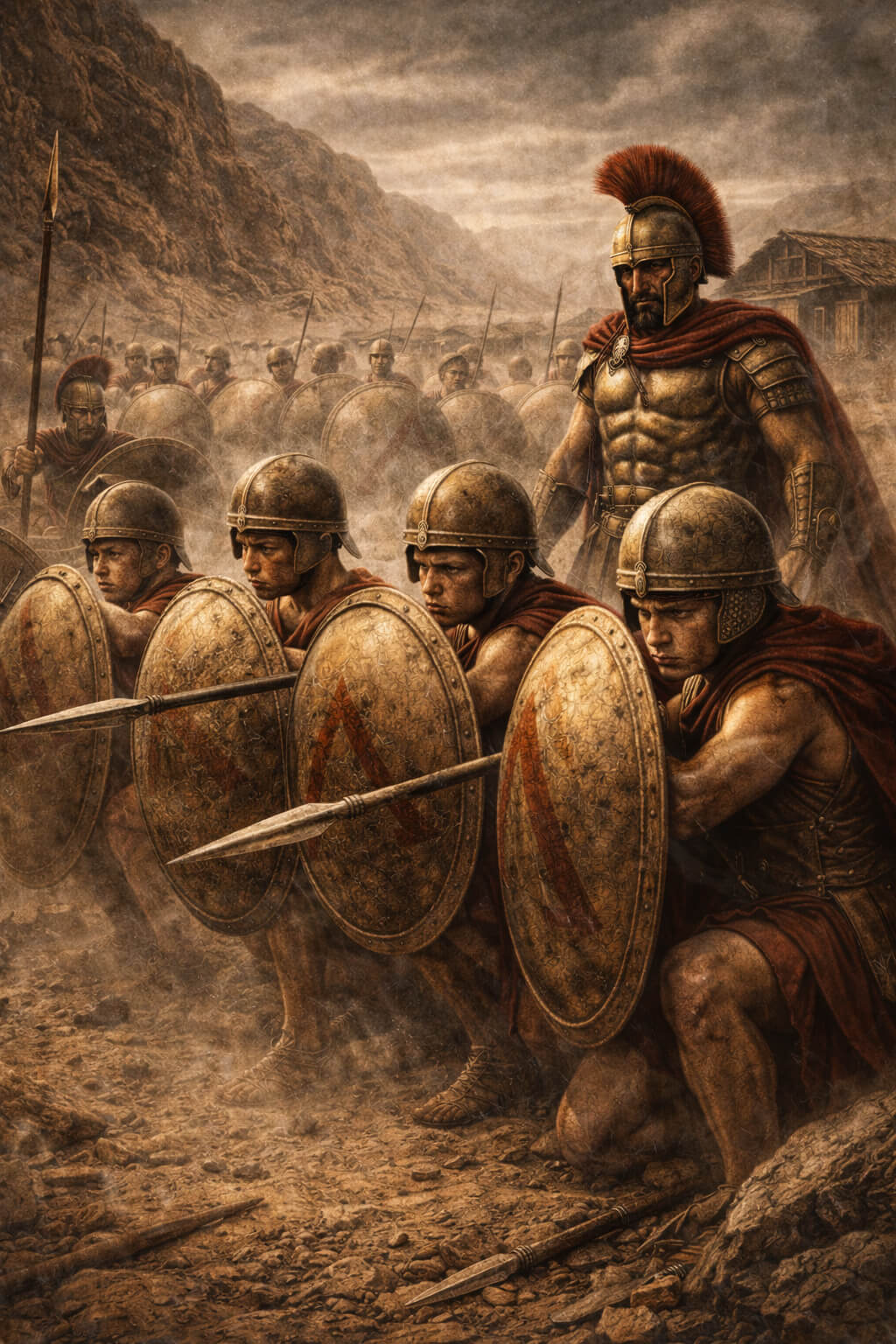
Agoge Training
The agoge was Sparta’s state training system, designed to produce disciplined, resilient, and obedient male citizens for war.
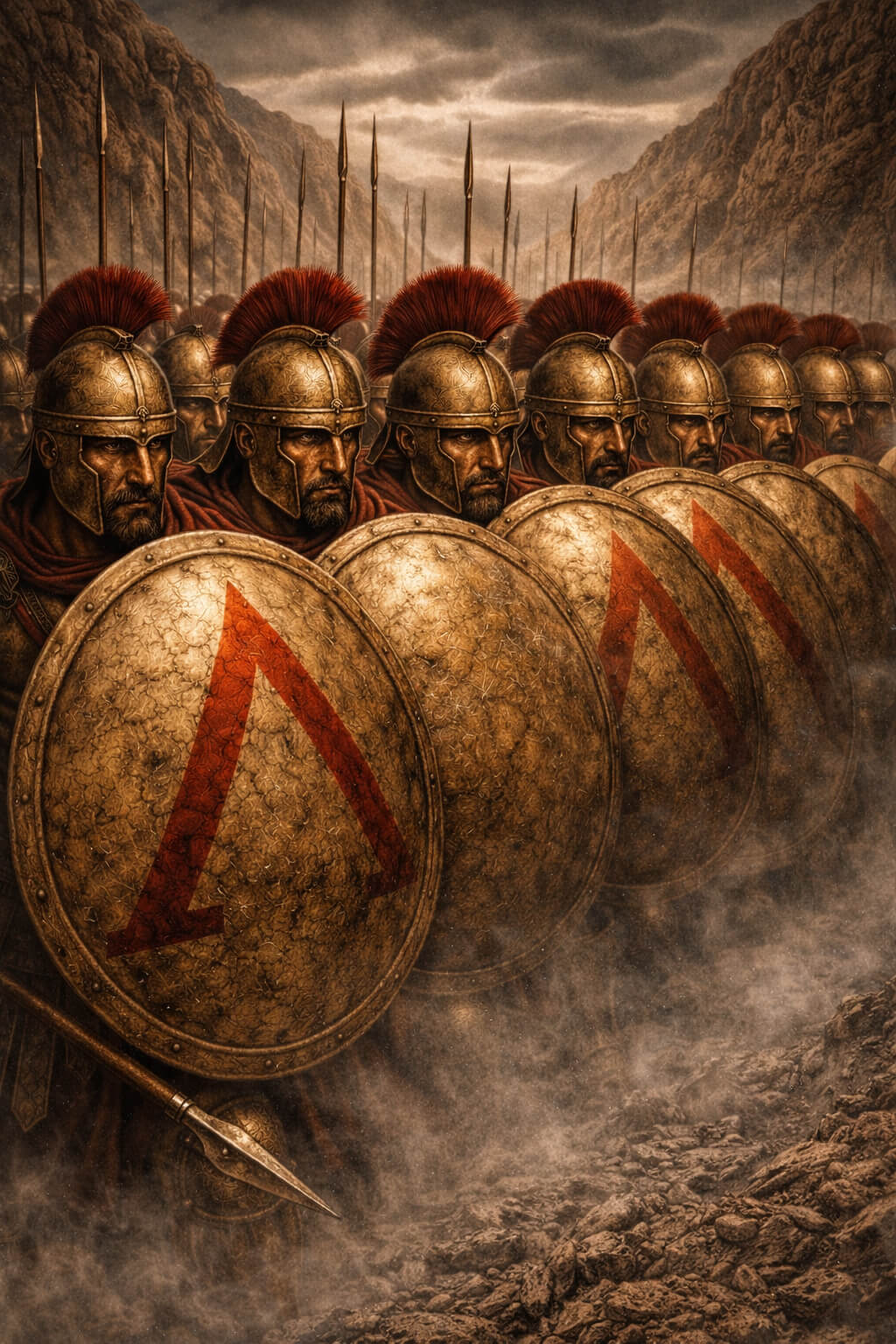
Bronze Shield Discipline
Greek hoplite warfare centered on the aspis shield, and disciplined shield use was essential to maintaining a stable phalanx.
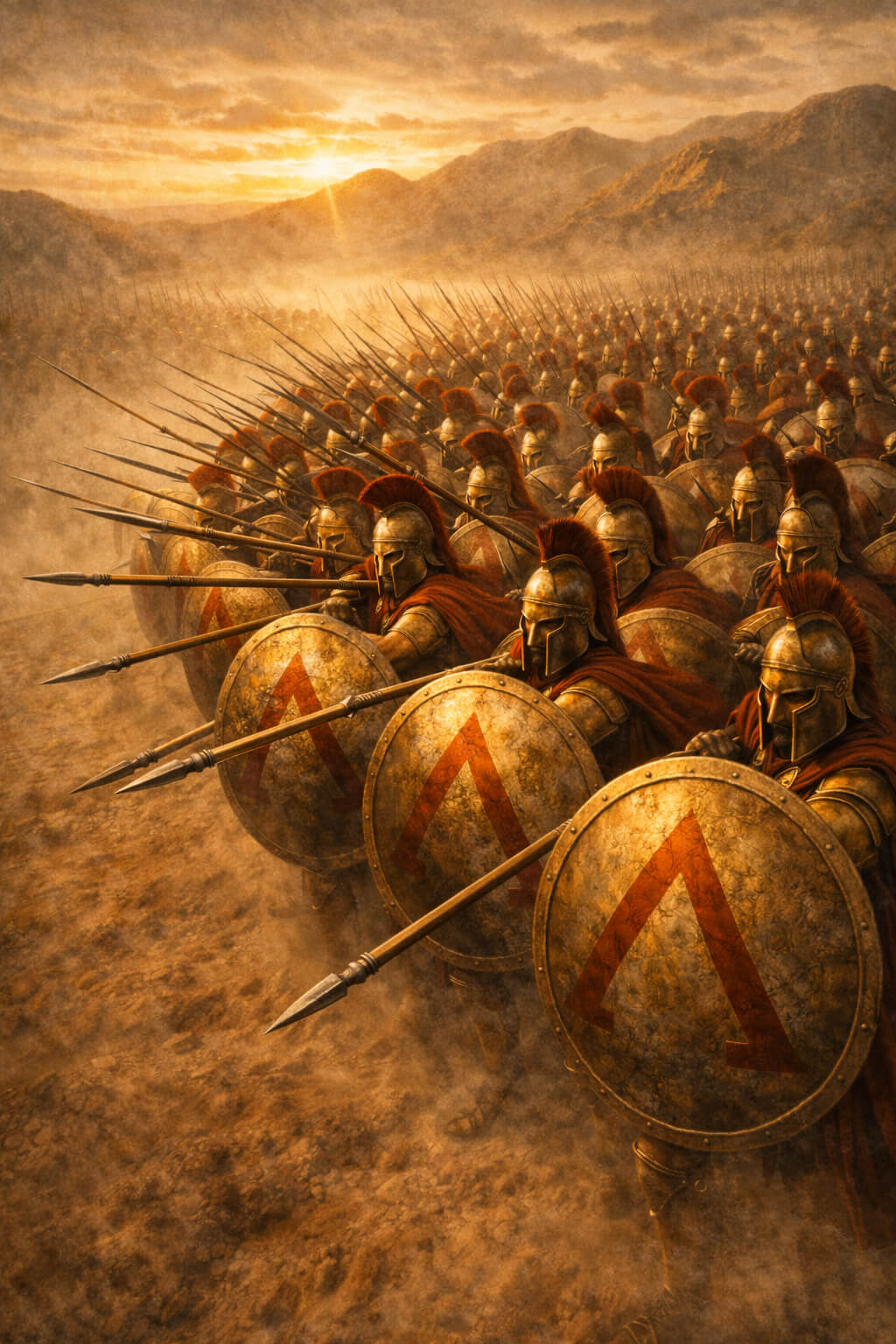
Laconic Phalanx
The Spartan phalanx relied on cohesion, shield coverage, discipline, and collective advance more than individual heroics.
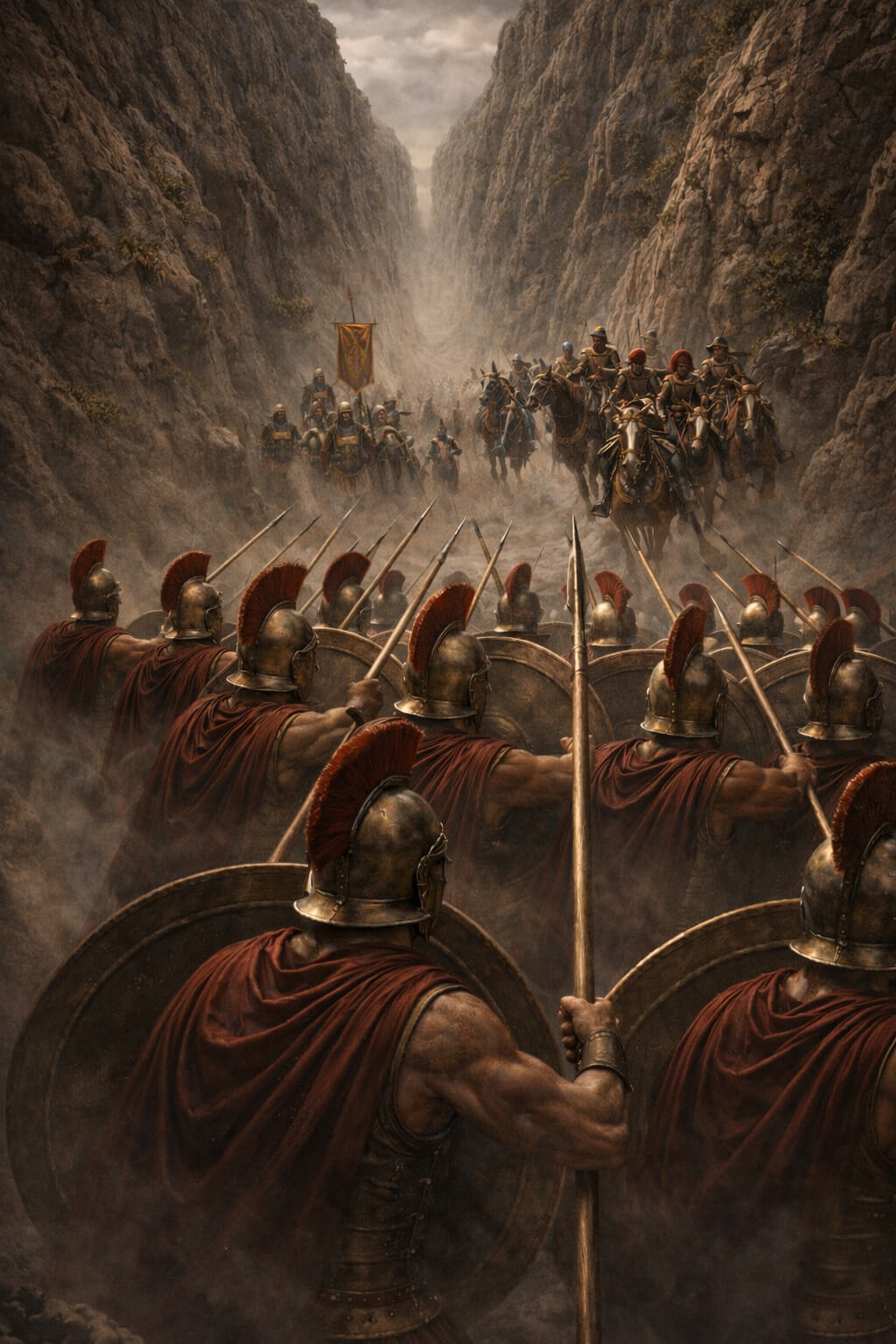
Narrow Pass
Thermopylae is the best-known example of Greeks using a narrow pass to limit numbers and reduce the advantage of a larger force.
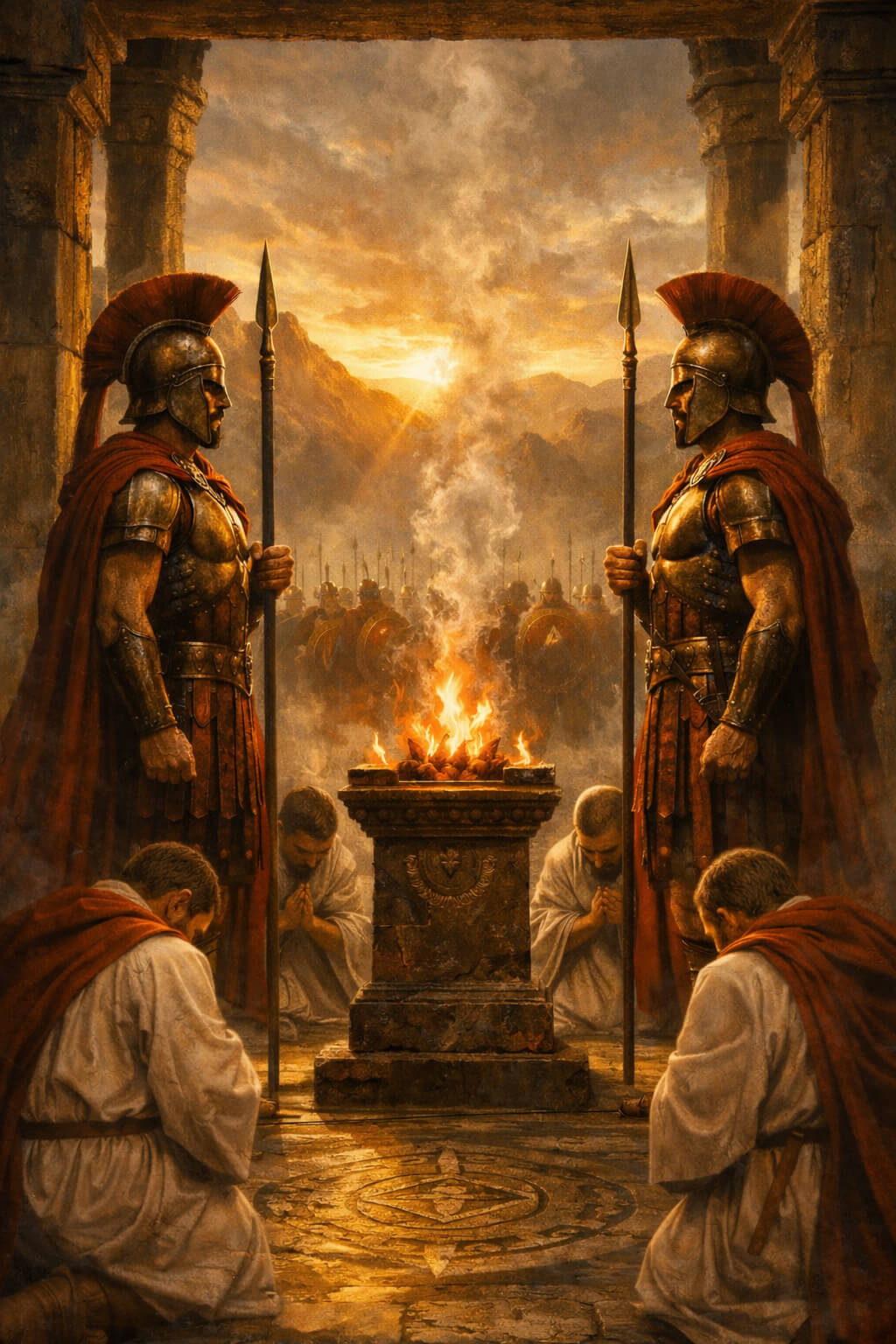
Rite of the Two Kings
Sparta’s unusual dual kingship was a defining political institution, with two royal houses sharing inherited authority.
Tactics (5)
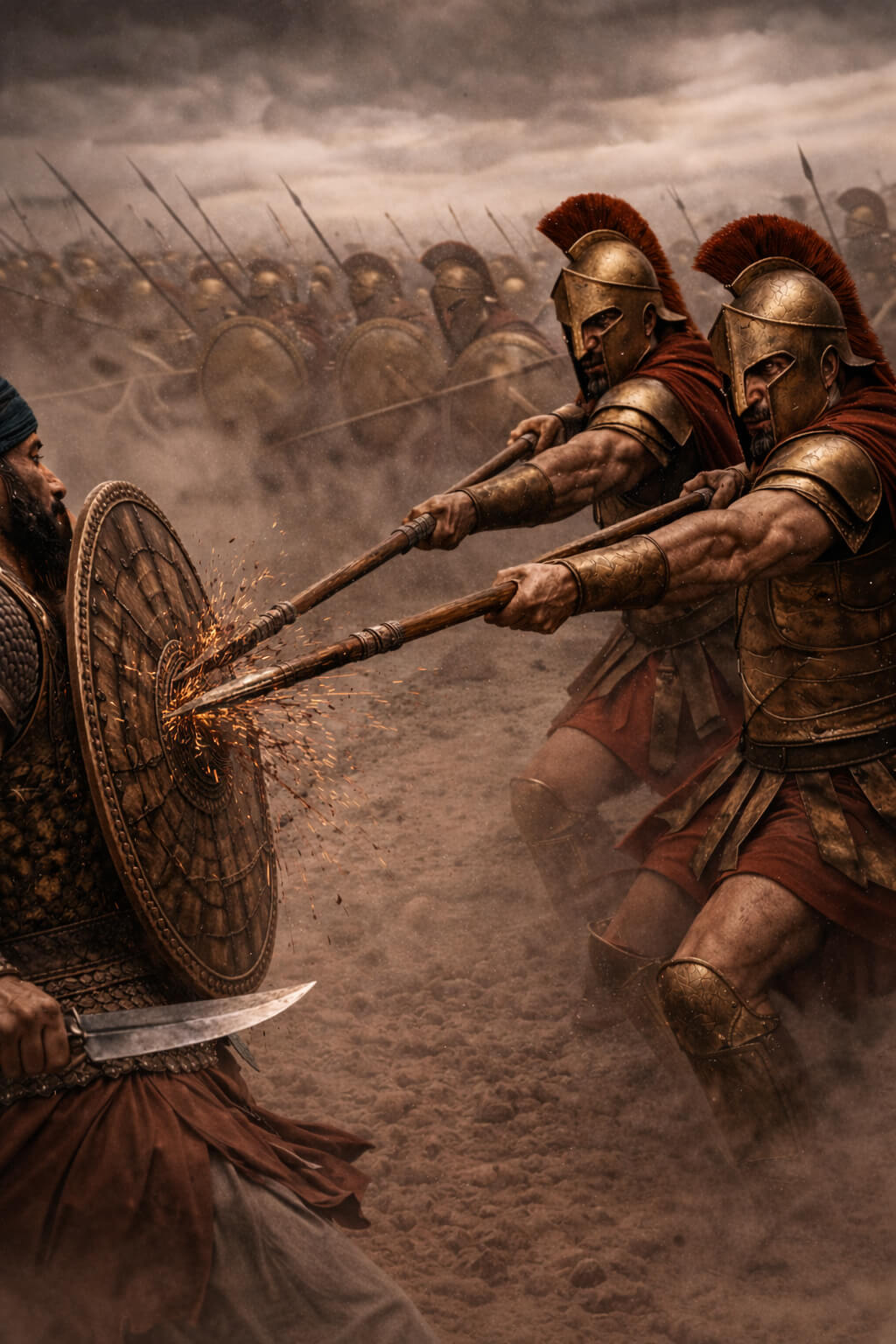
Counter-Thrust
In close phalanx fighting, survival and immediate counter-thrust were crucial to turning an enemy push into a local advantage.
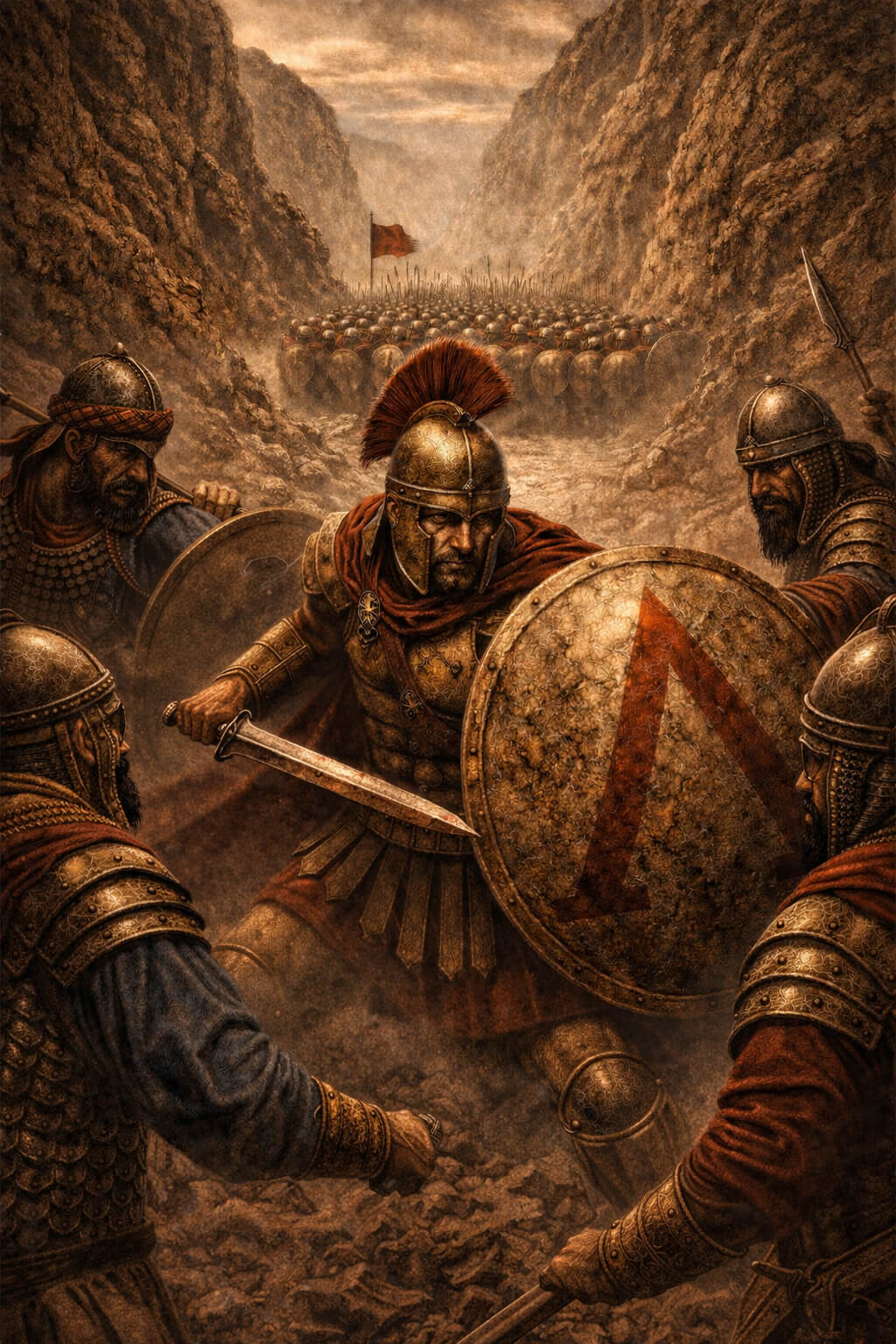
Heroic Sacrifice
Greek warfare and memory culture often celebrated voluntary sacrifice in defense of the polis or the battle line.
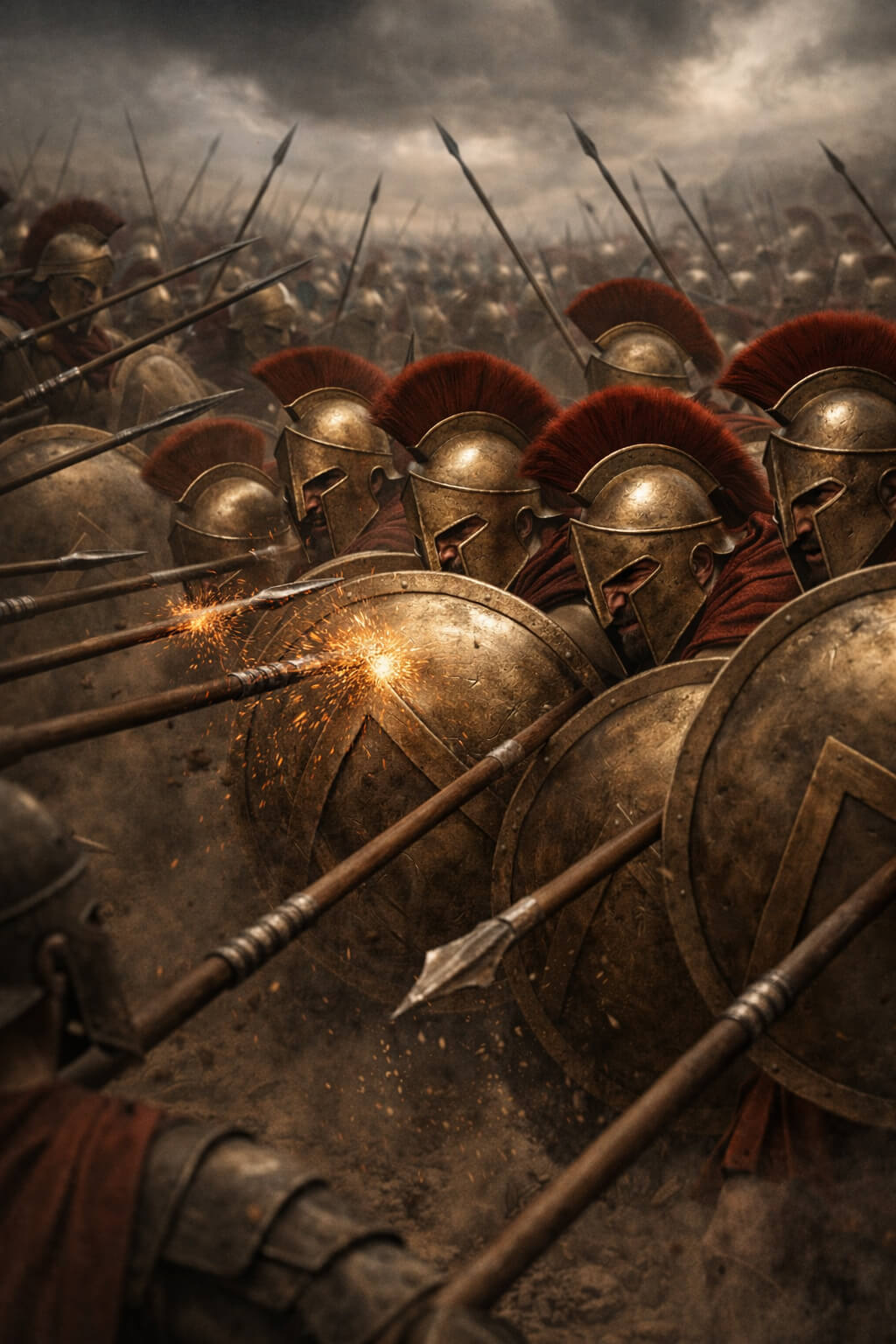
Hold the Line
Greek hoplite combat often depended on holding formation under pressure rather than breaking rank for individual combat.
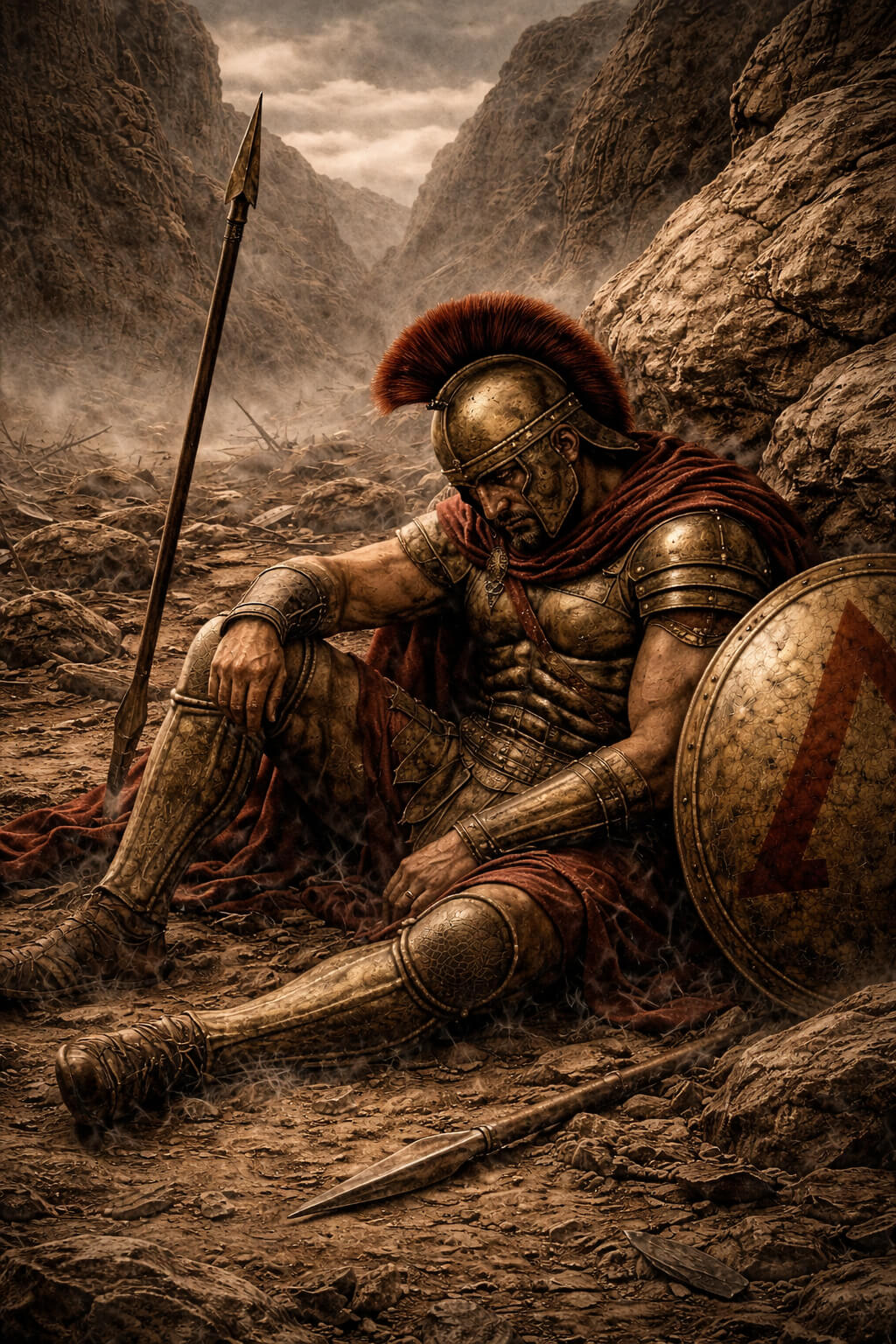
Iron Resolve
Spartan ideology emphasized austerity, endurance, and a stern resolve in both training and combat.
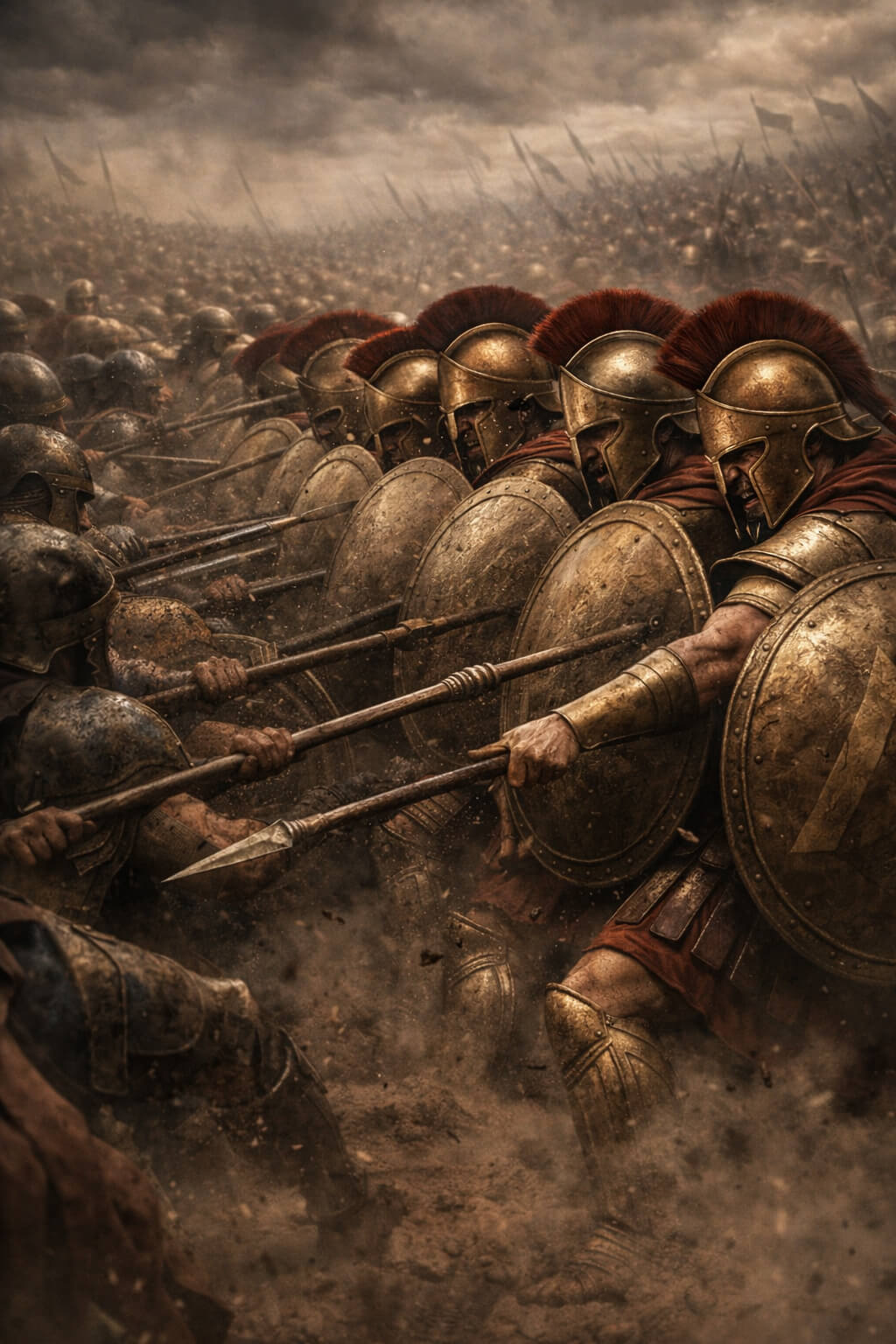
No Step Back
Spartan military reputation was built on endurance, discipline, and the refusal to abandon formation under stress.