Disciplined line infantry, defense-first structure, and orderly battlefield control.
Playstyle: Rome wins by forming a stable board, rotating units efficiently, and turning discipline into gradual advantage.
- Reliable defensive bonuses and attack negation
- Strong line progression through Hastati, Principes, and reserves
- Good support from standards, roads, and fortified positions
Balance Focus: Retuned around Infantry discipline and reduced universal search density.
Units (10)
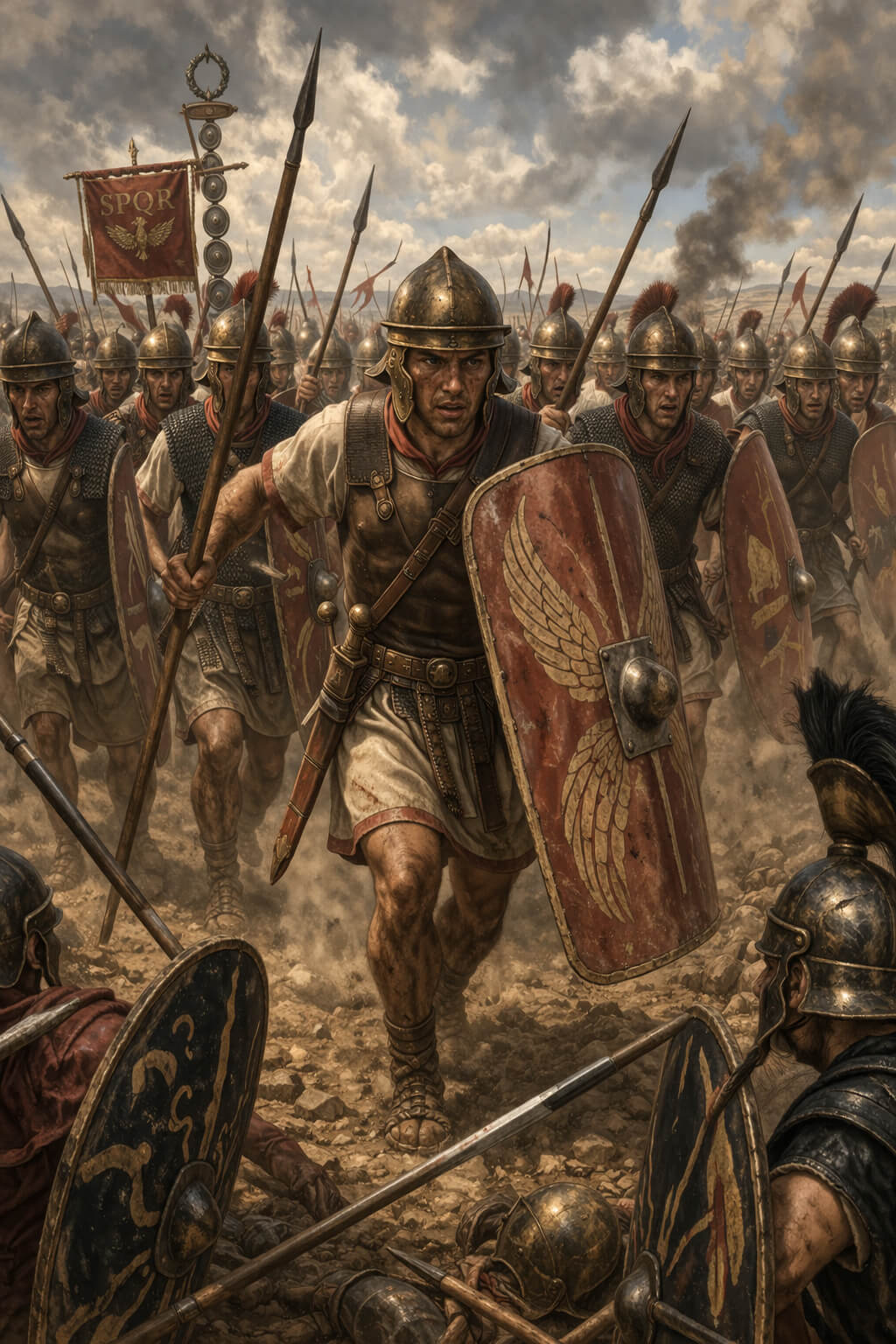
Hastati Line
The hastati were younger front-line infantry in the manipular legion, expected to open the battle and wear down the enemy.
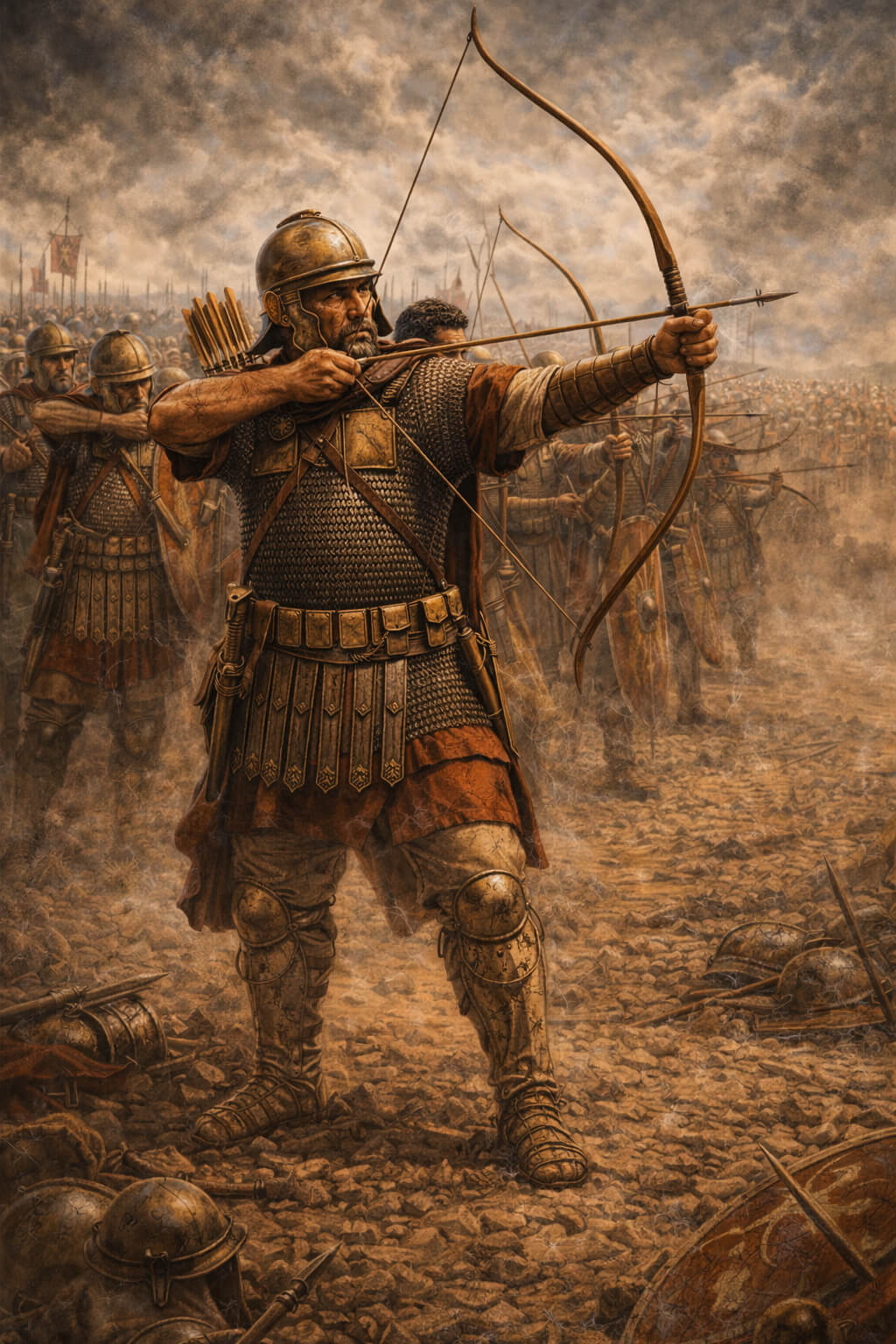
Roman Archer Auxilia
Roman armies often relied on auxilia, including archers recruited from provincial or allied communities with specialist missile skills.
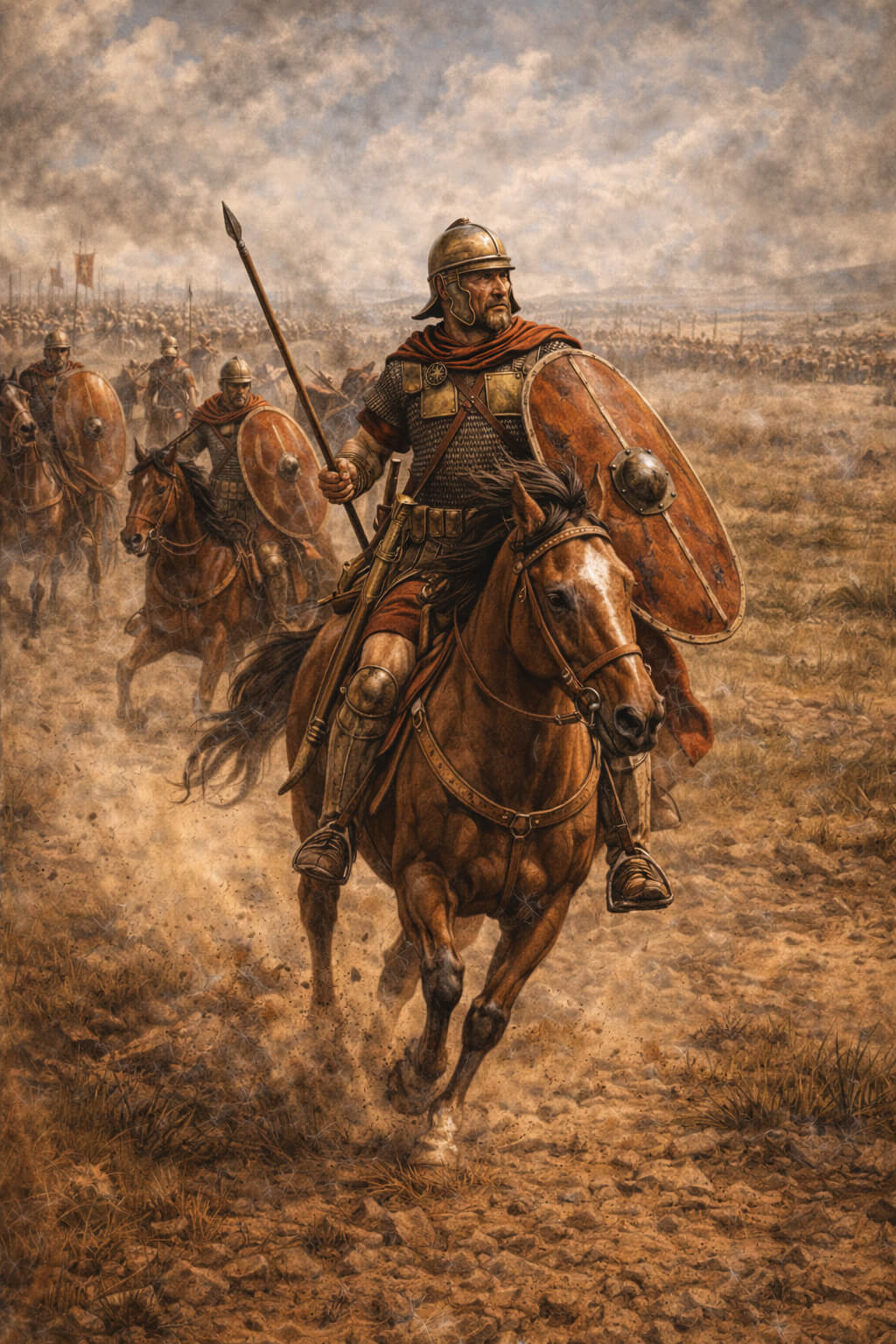
Consular Cavalry
Roman consular armies included citizen and allied cavalry used for scouting, pursuit, and support on the wings.
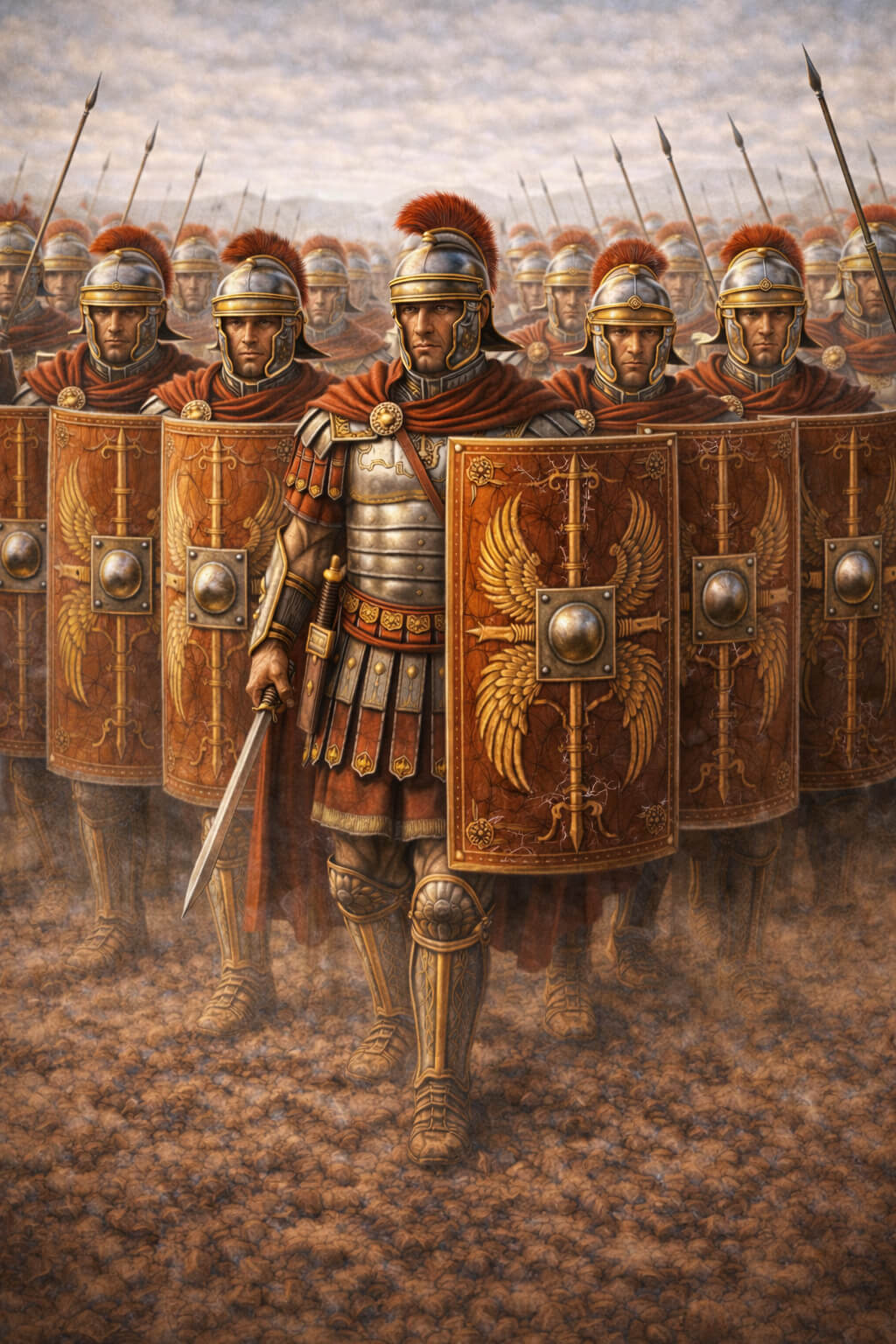
Legionary Cohort
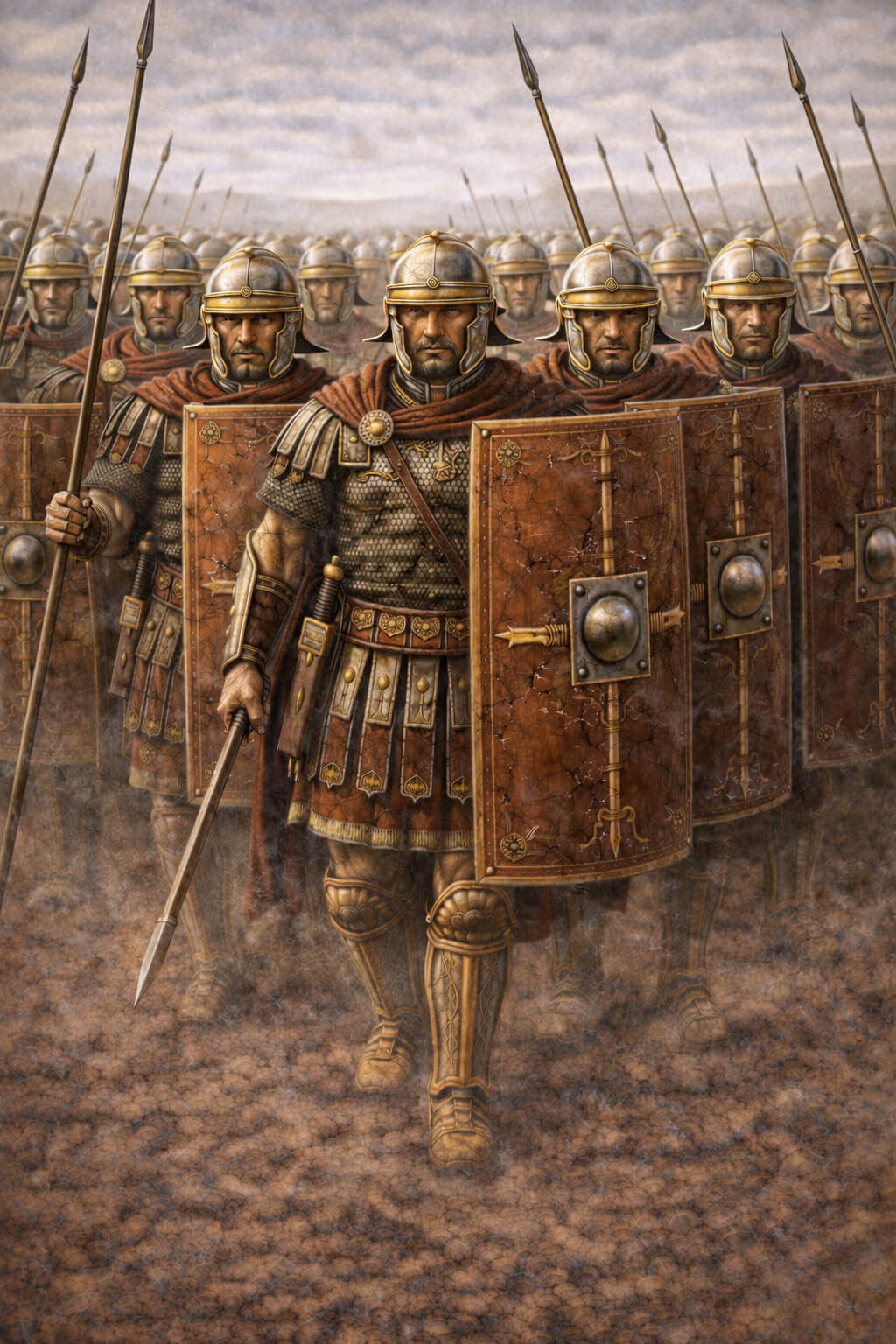
A Roman cohort was a core tactical subdivision of the legion, made up of disciplined heavy infantry trained to fight in close order.
Principes Line
The principes were more experienced Roman heavy infantry who stood behind the hastati and formed the second main battle line.
Triarii Reserve
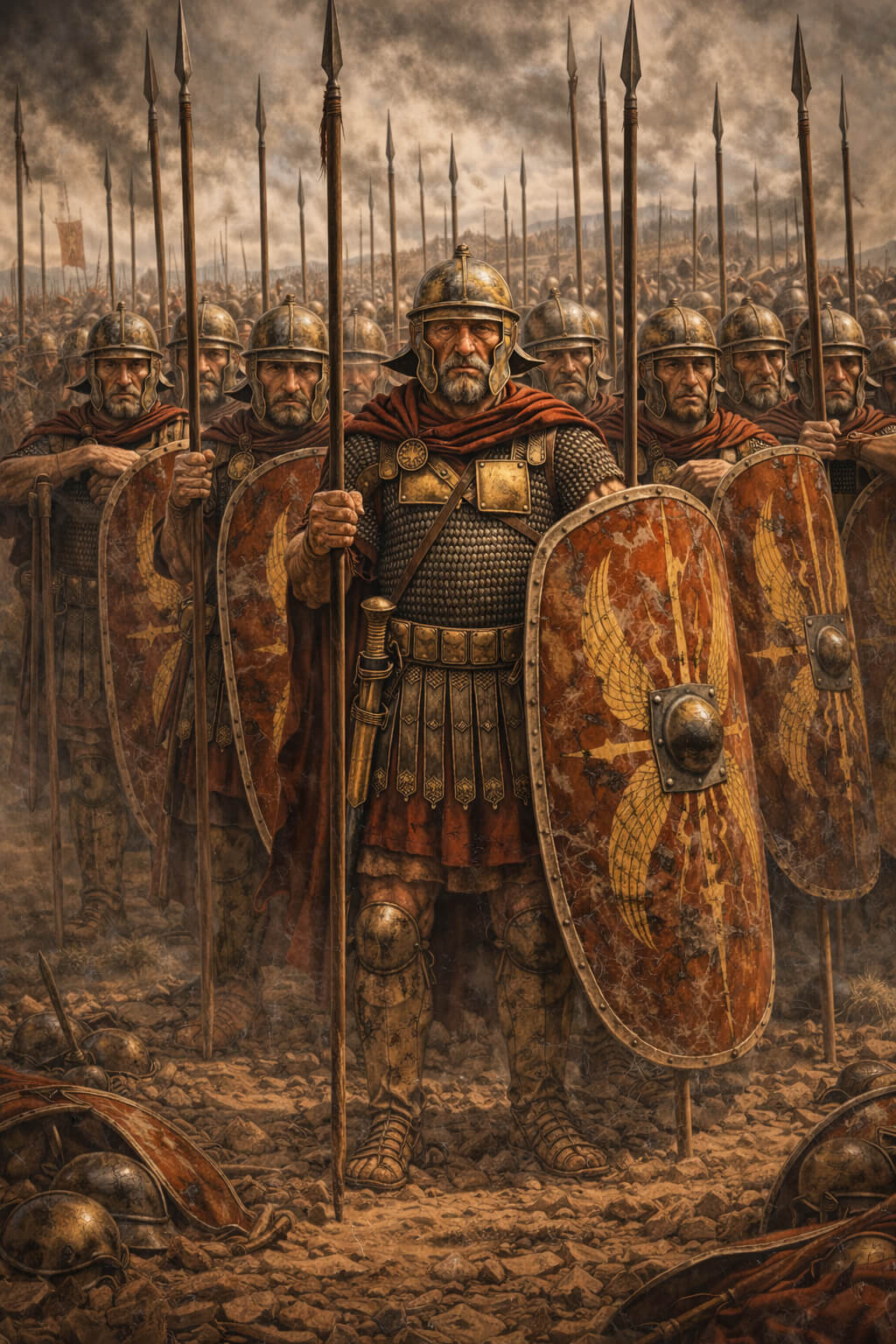
The triarii were veteran spearmen kept in reserve and committed only in hard fighting, giving rise to the saying that a crisis had reached the triarii.
Praetorian Guard
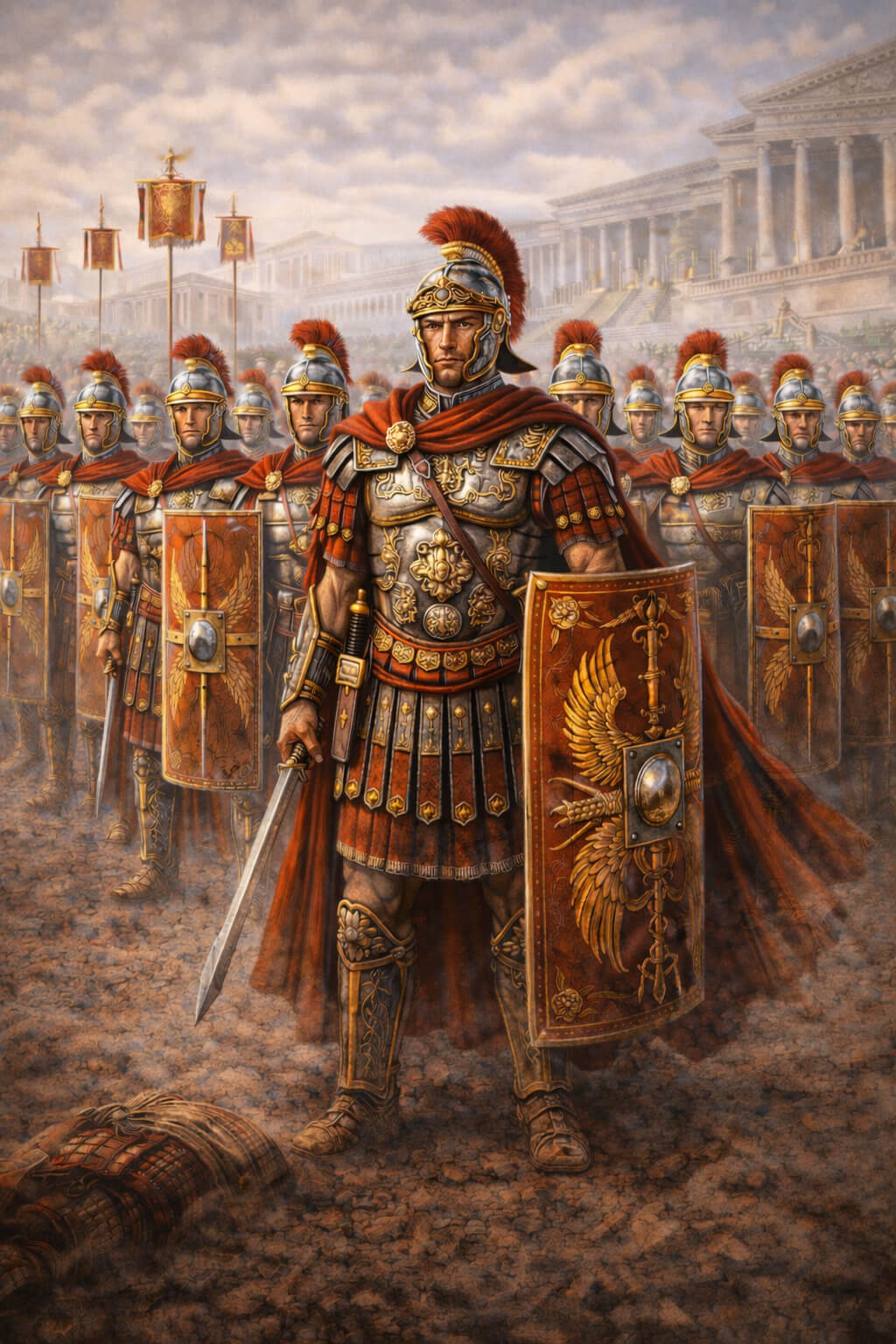
The Praetorian Guard was the emperor’s elite guard in the imperial period, known for prestige, political influence, and battlefield quality.
Centurion Commander
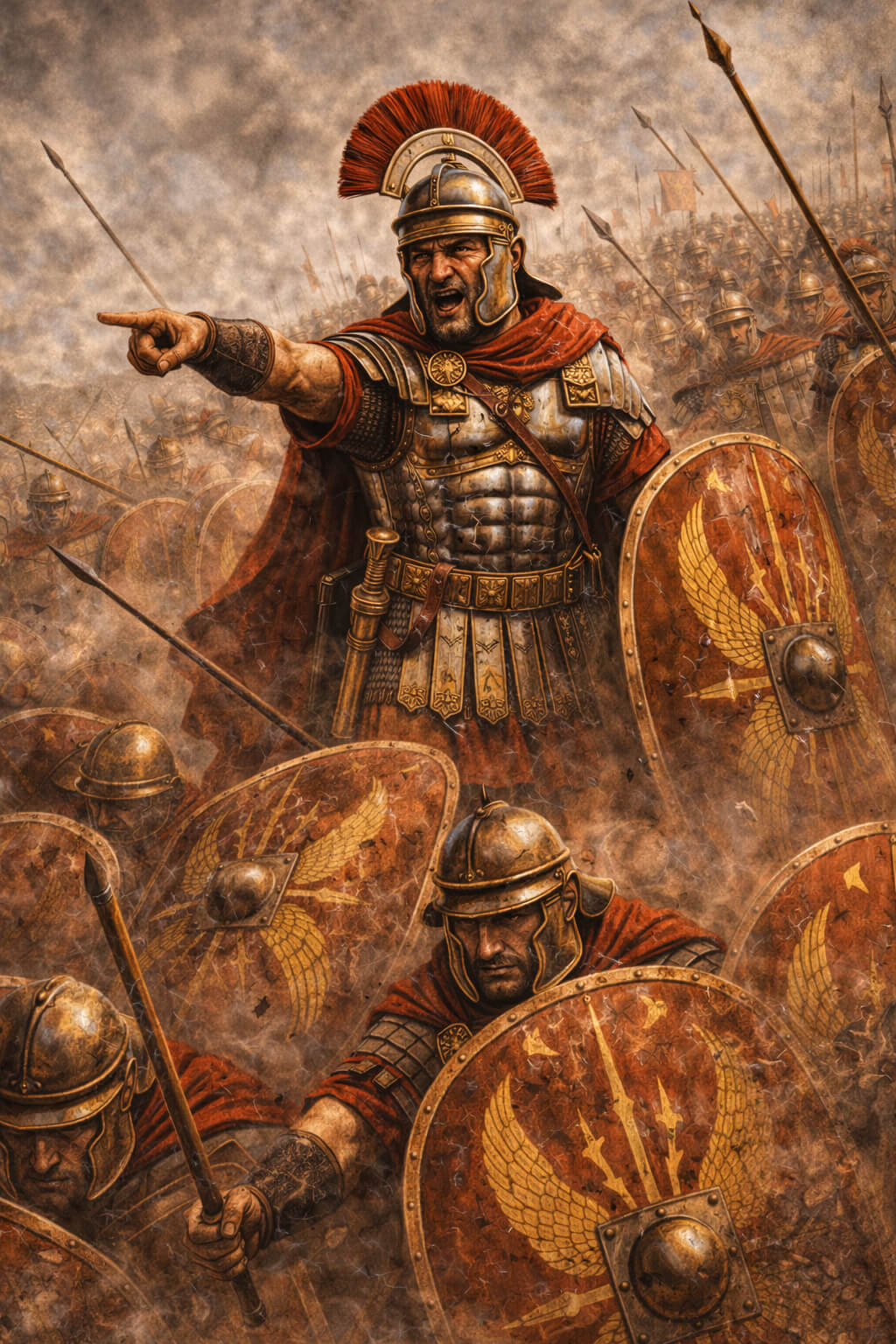
A centurion was a professional Roman officer who commanded a century and enforced discipline, drill, and battlefield cohesion.
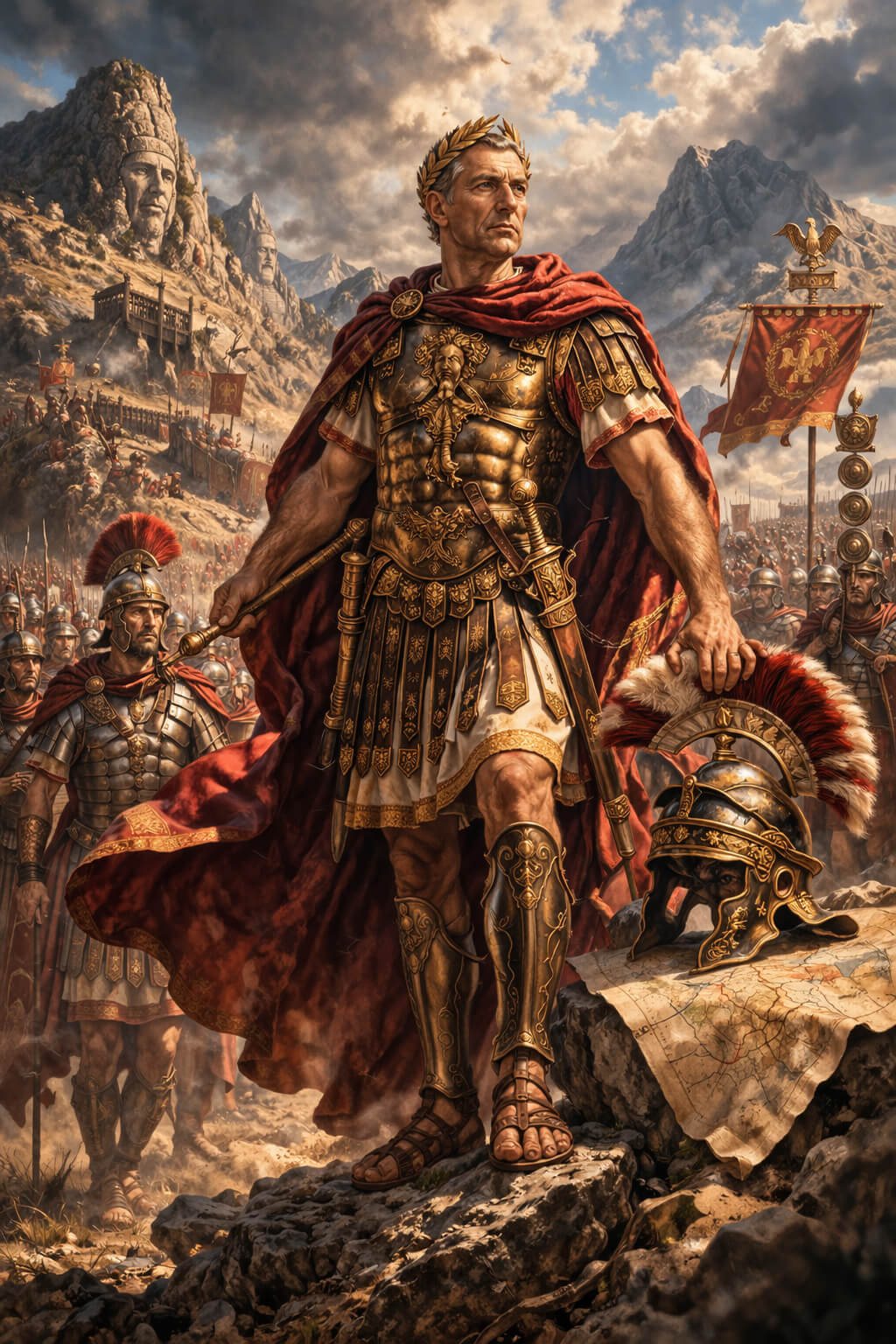
Trajan, Imperial Vanguard
Trajan was a Roman emperor remembered for expansionist campaigning, especially the Dacian Wars, and for the military prestige of his reign.
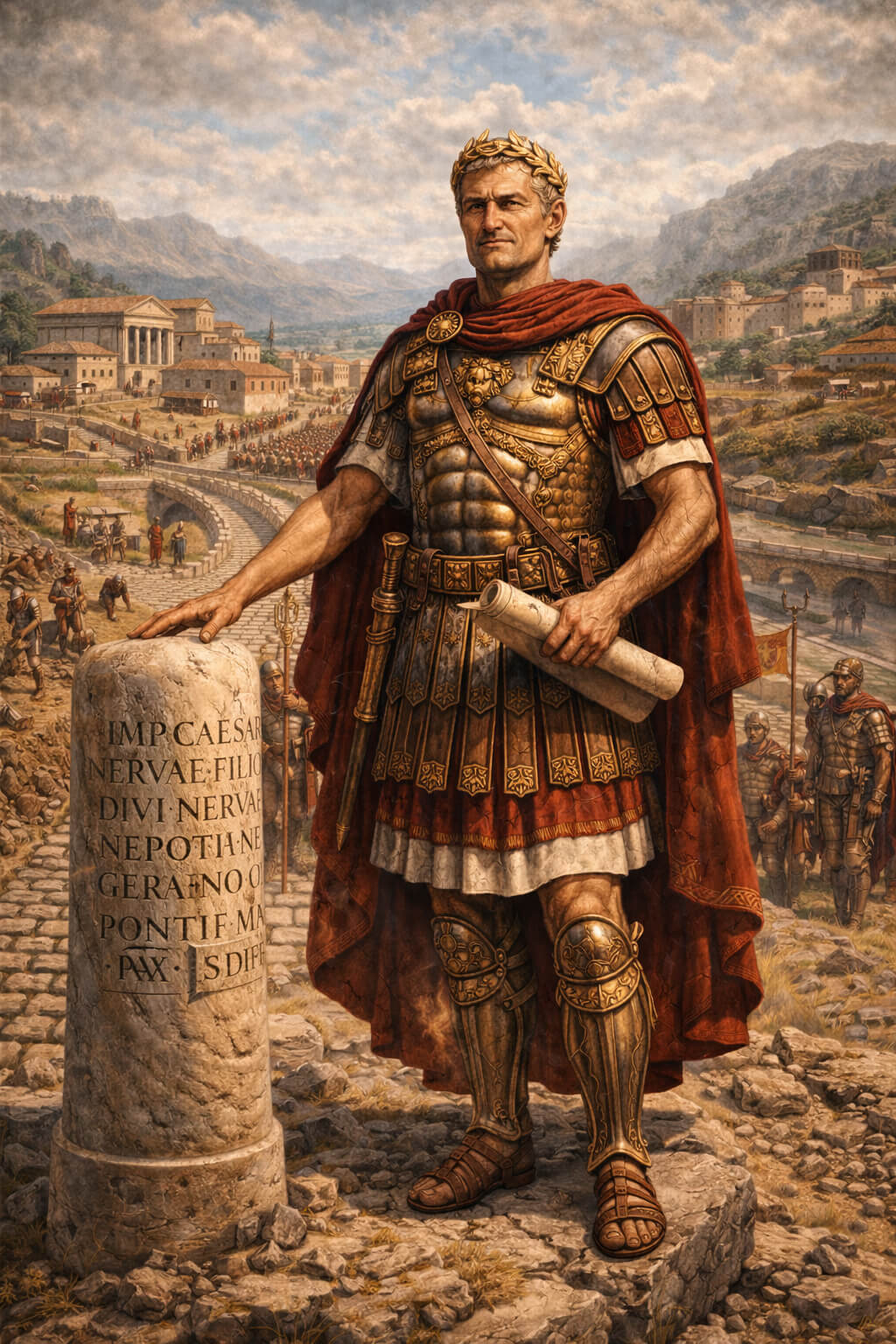
Trajan, Builder of Provinces
Trajan also represents the administrative side of empire, turning conquest into roads, colonies, and stable provincial control.
Doctrines (5)
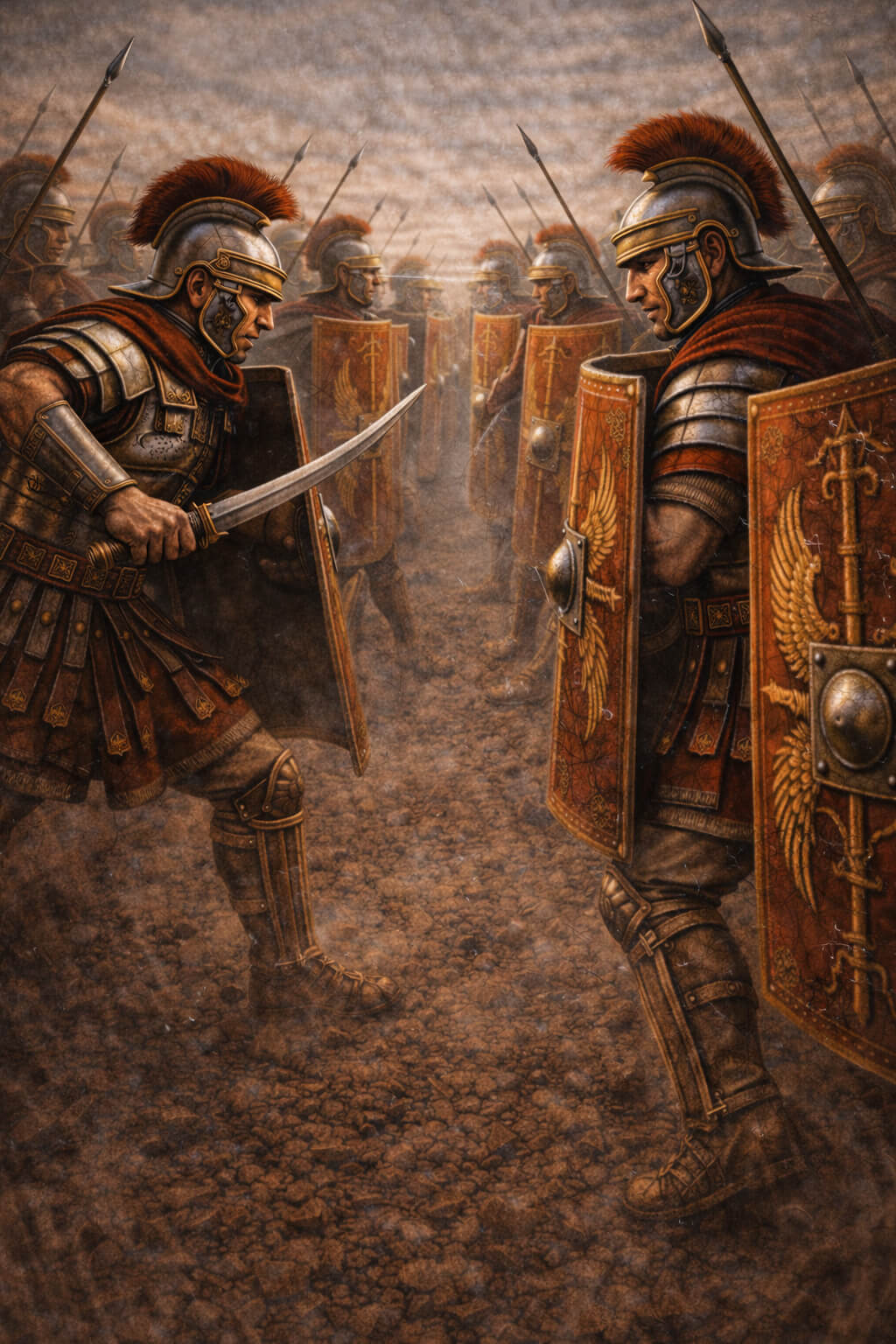
Disciplined Advance
Roman drill emphasized measured movement, unit rotation, and maintaining formation under pressure rather than reckless charges.
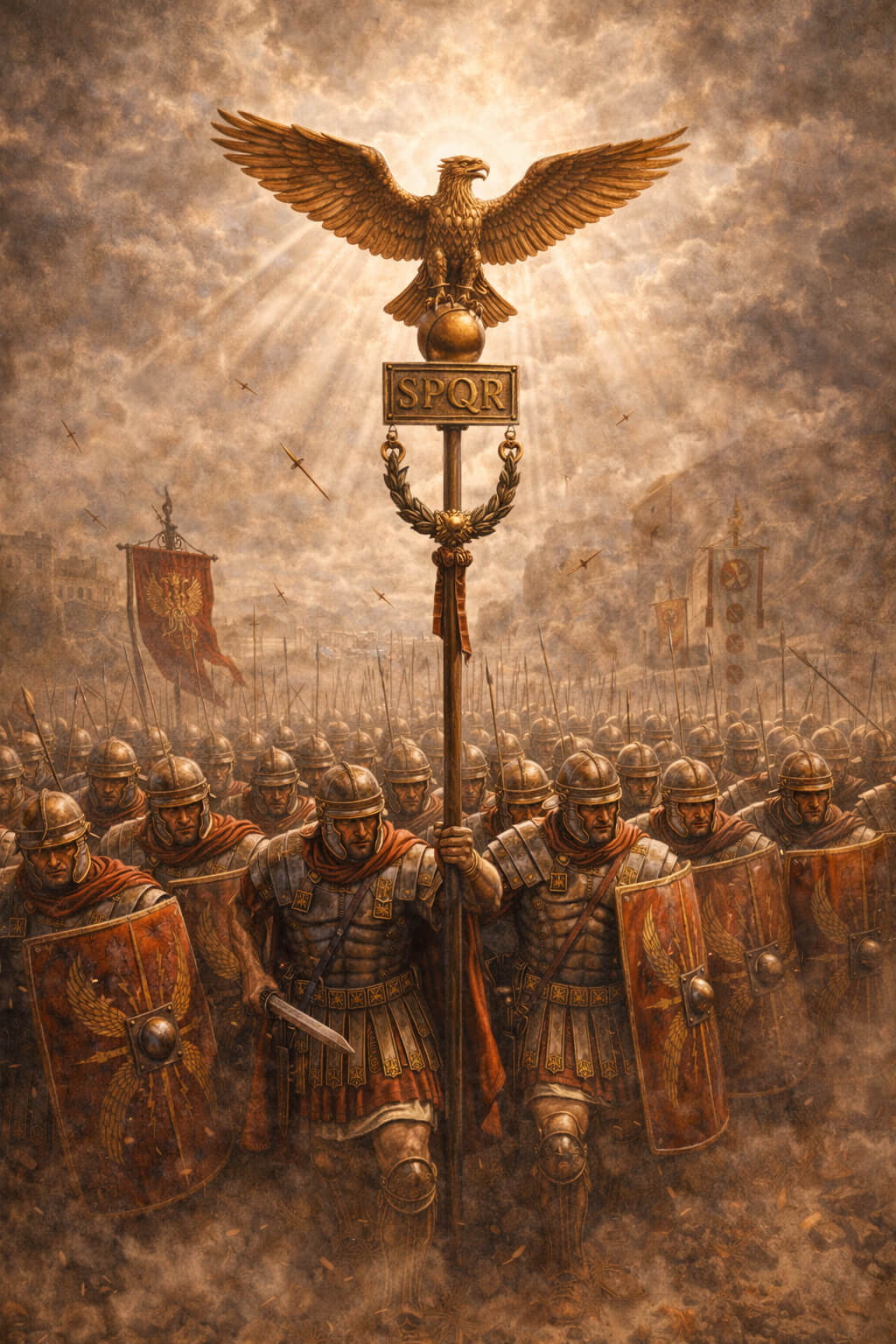
Eagle Standard
The legionary eagle, or aquila, was the sacred standard of a Roman legion and a major symbol of identity, honor, and morale.
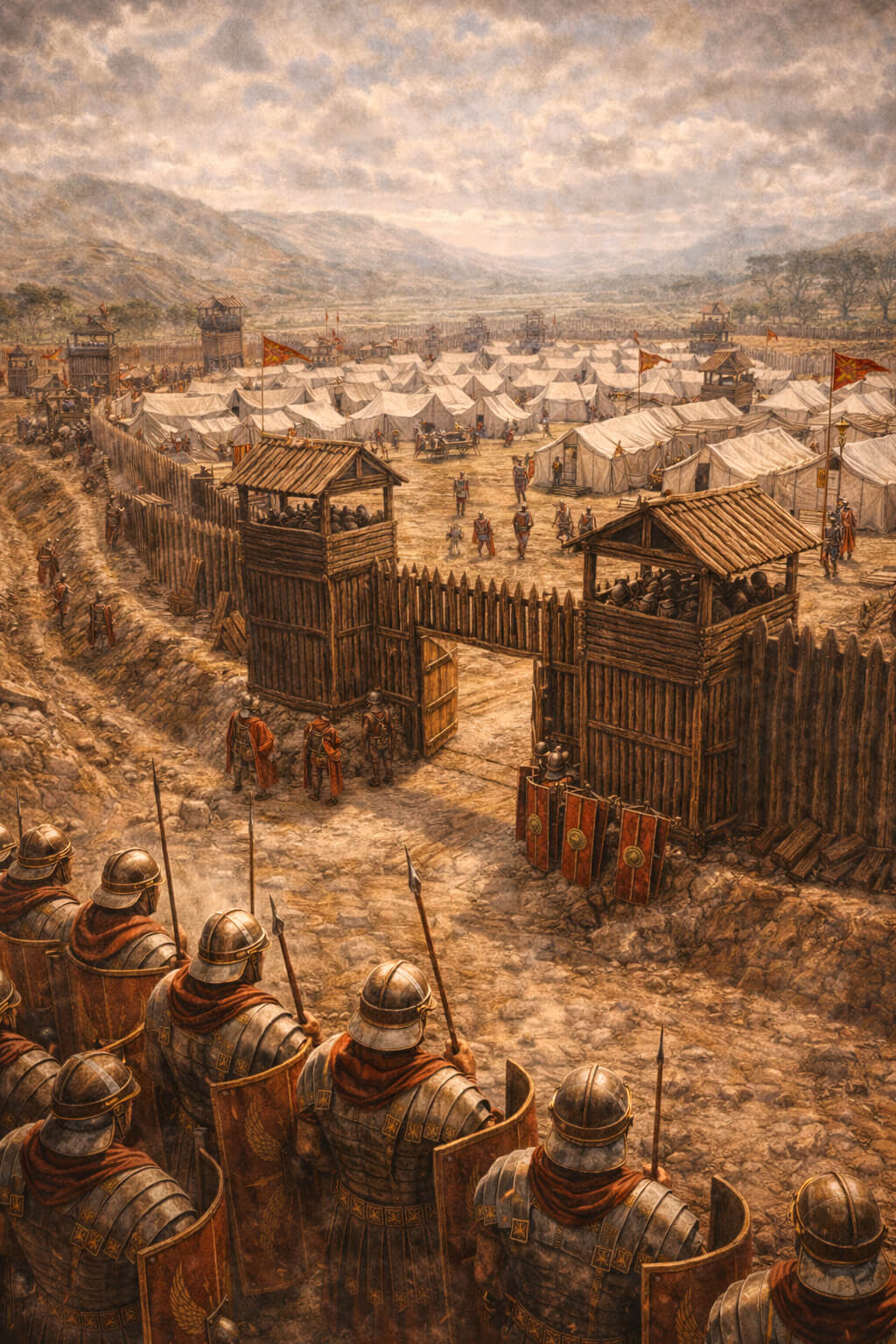
Fortified Camp
Roman armies routinely constructed fortified marching camps, giving them secure positions even during active campaigning.
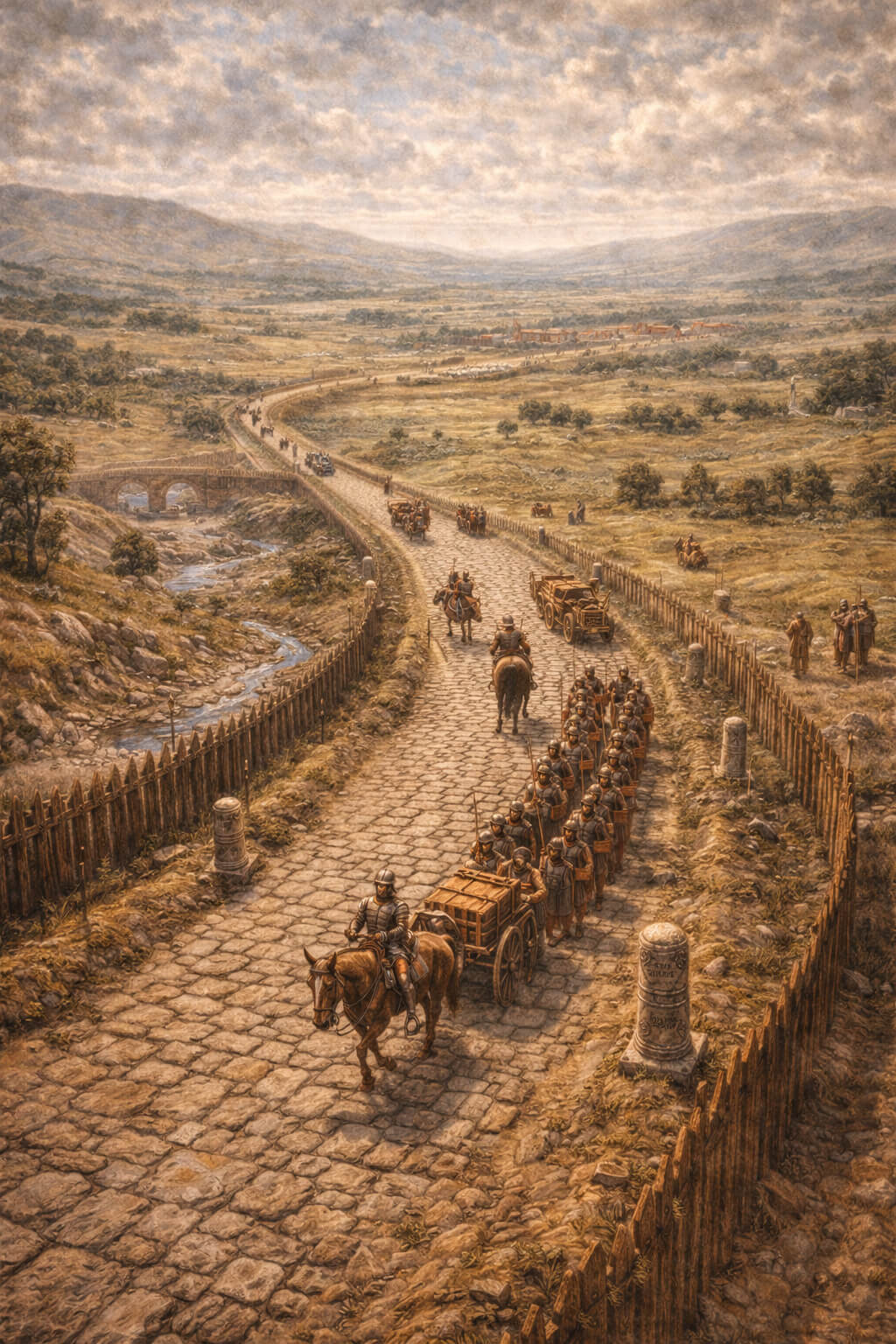
Roman Road
Roman roads were engineered routes that accelerated movement, supply, administration, and imperial control across vast territories.
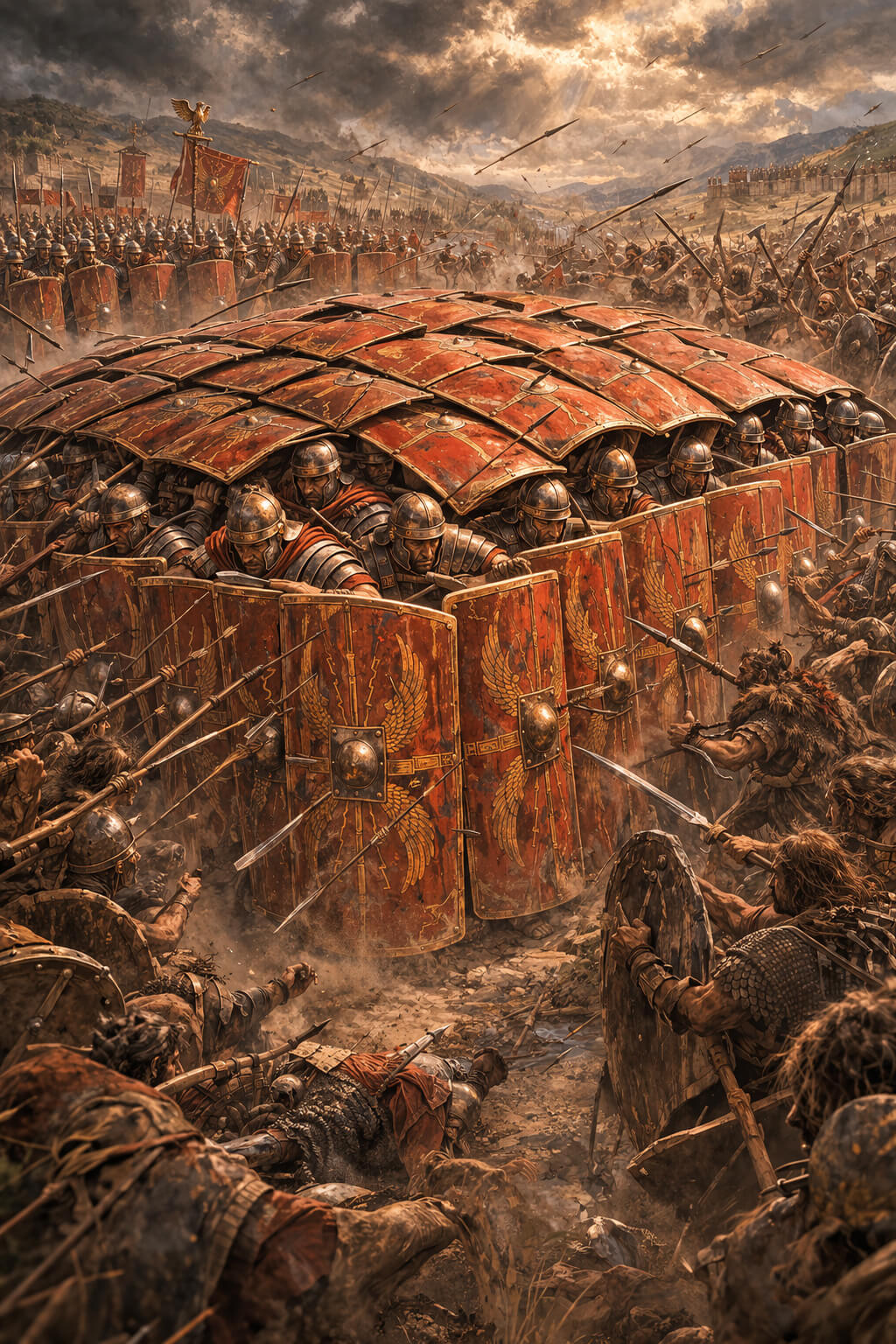
Testudo
The testudo, or 'tortoise,' was a shield formation used by Roman soldiers to protect themselves from missiles, especially during sieges.
Tactics (5)
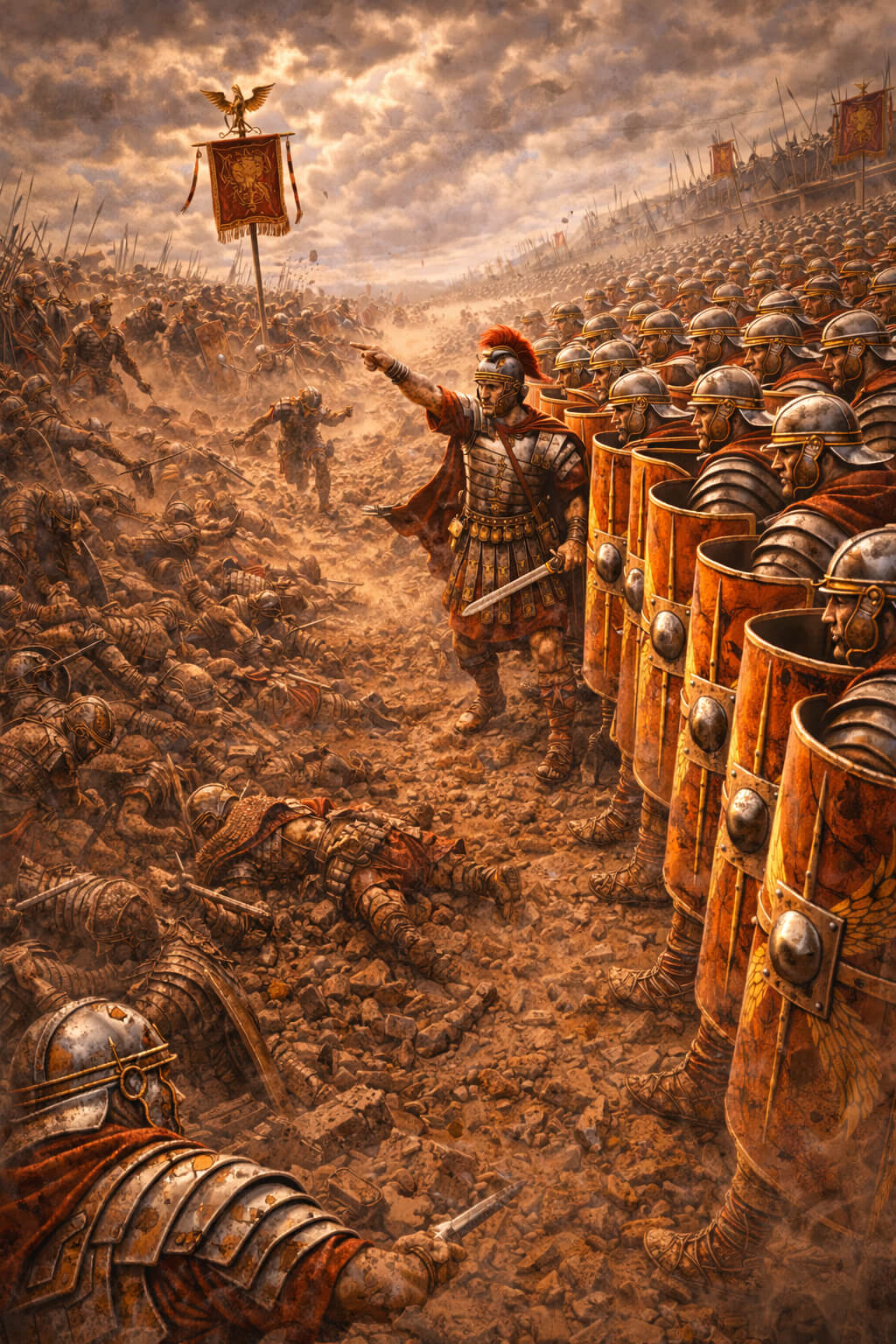
Decisive Order
Roman command culture valued clear battlefield orders and the exploitation of local success at the right moment.
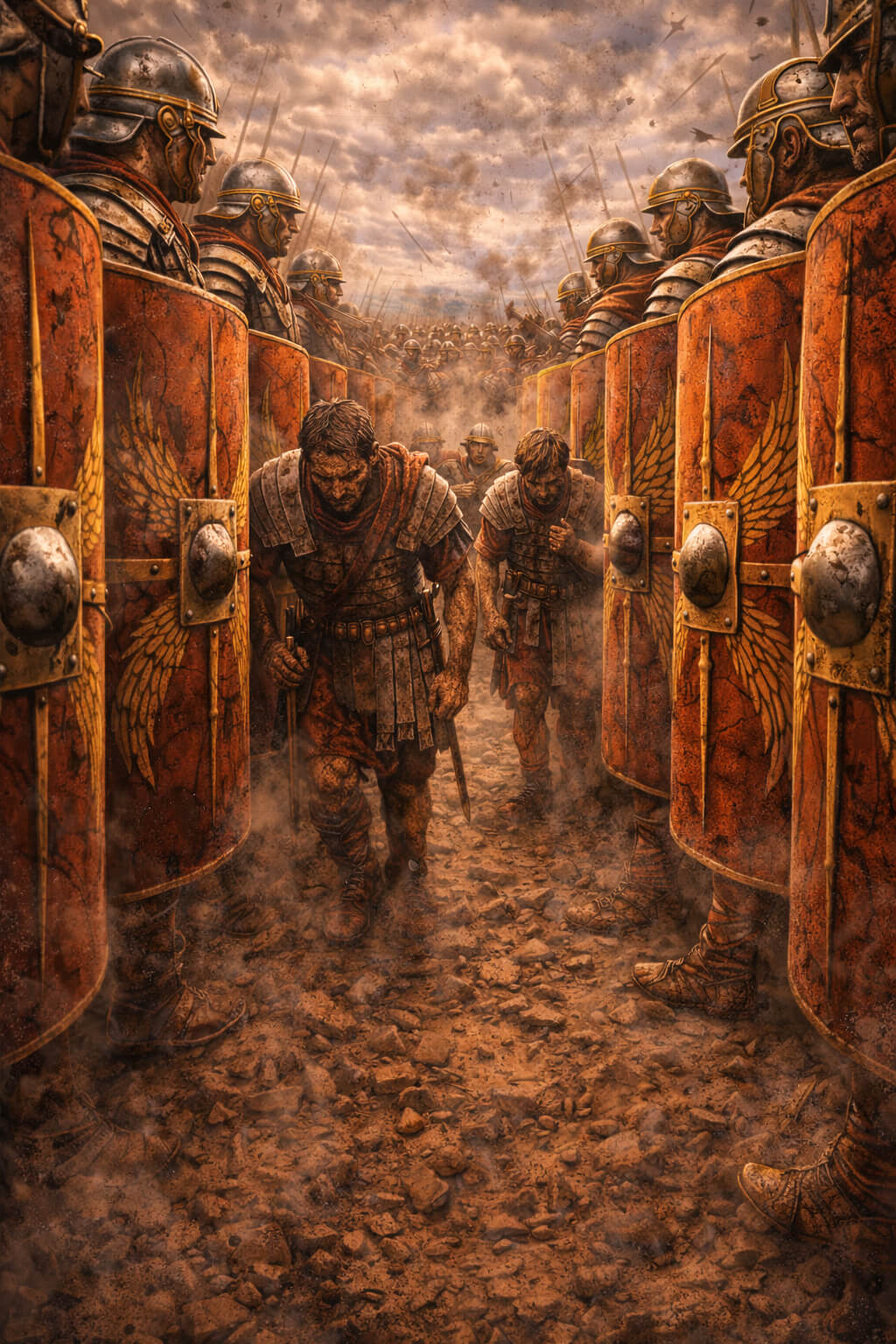
Ordered Relief
Controlled relief of pressured units was a hallmark of disciplined armies and reduced the chaos of piecemeal collapse.
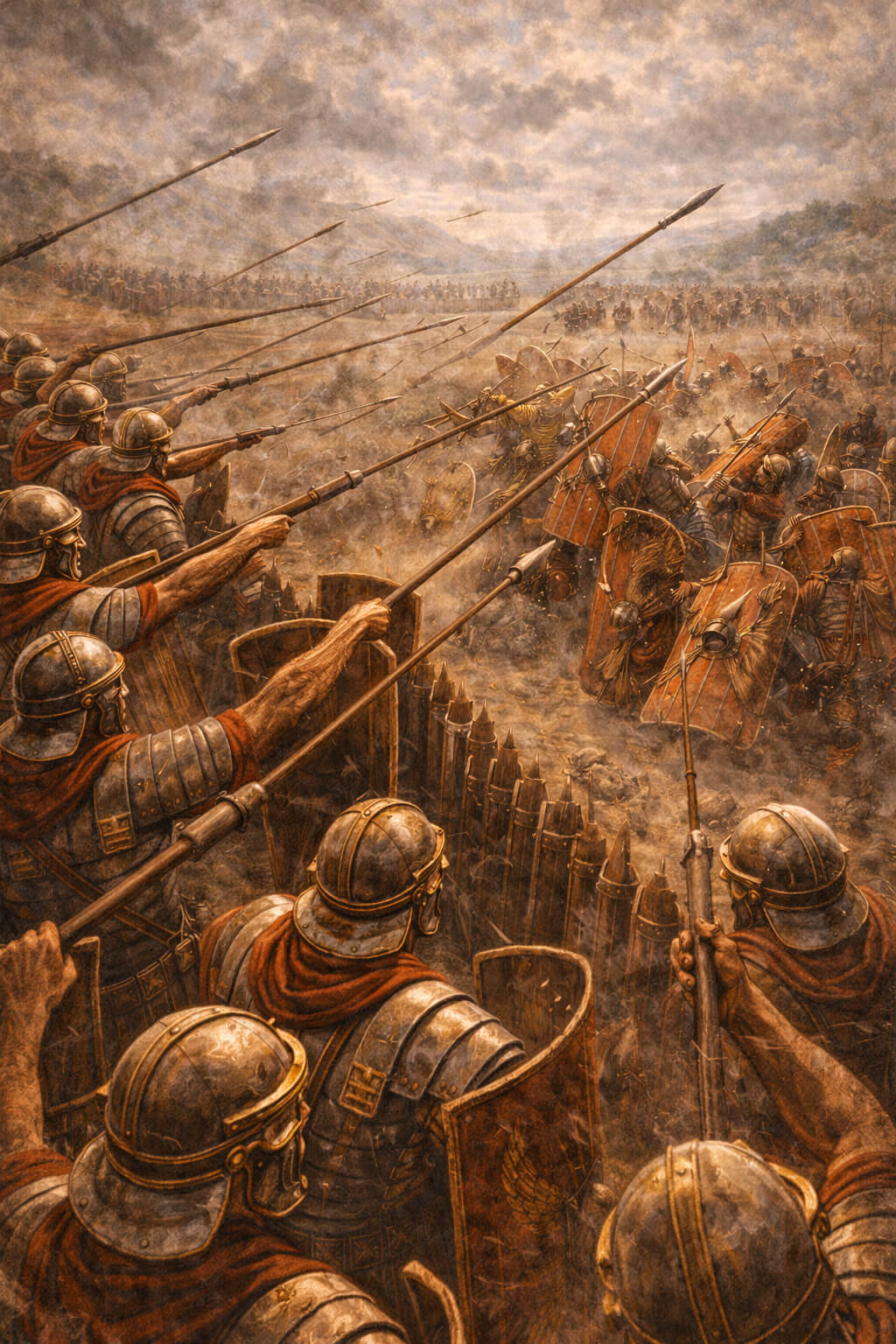
Pilum Volley
The pilum was a heavy Roman javelin designed to disrupt enemy shields and formations immediately before close combat.
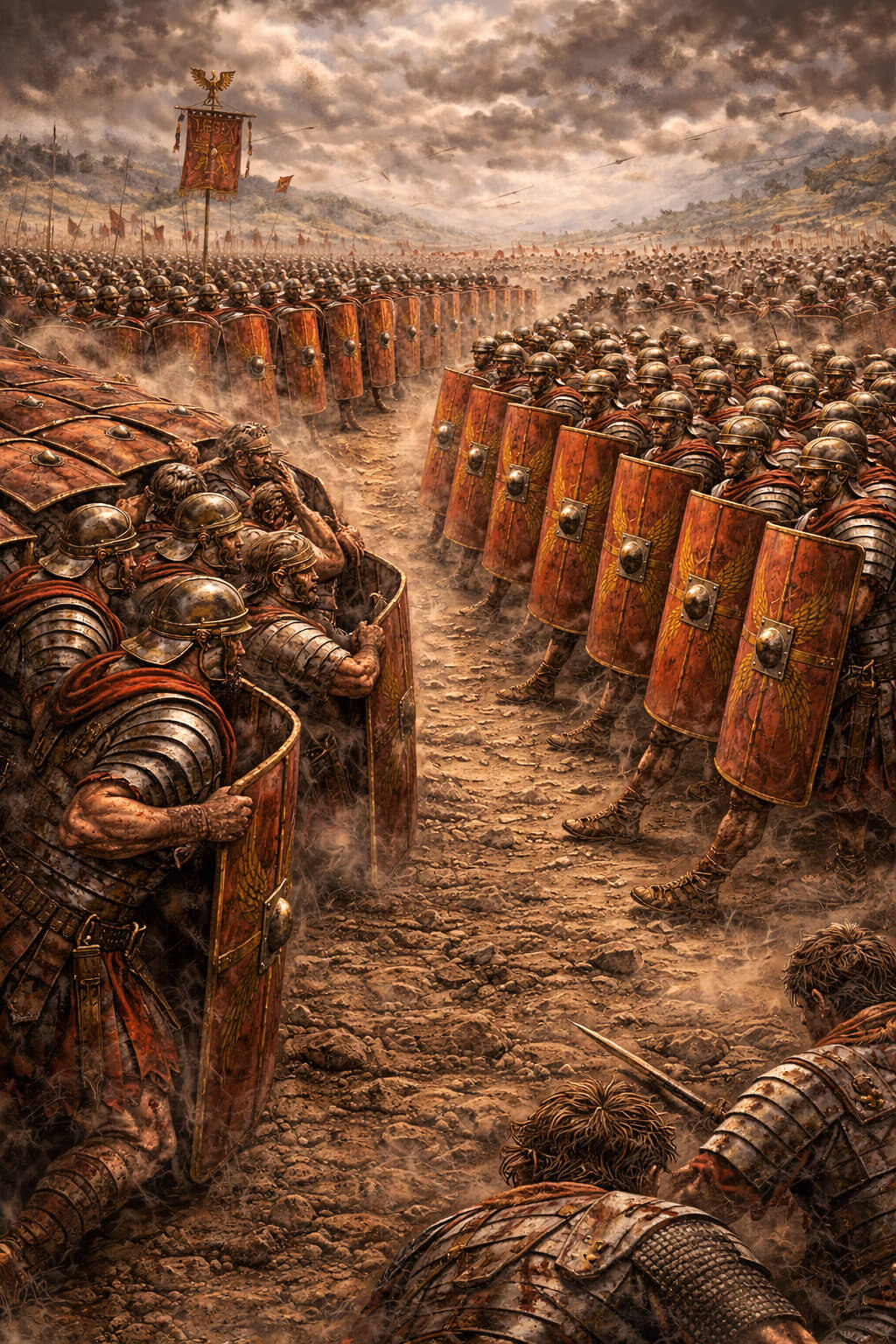
Reserve Rotation
Roman commanders could rotate lines and feed reserves into battle, helping fresh troops replace tired front-line units.
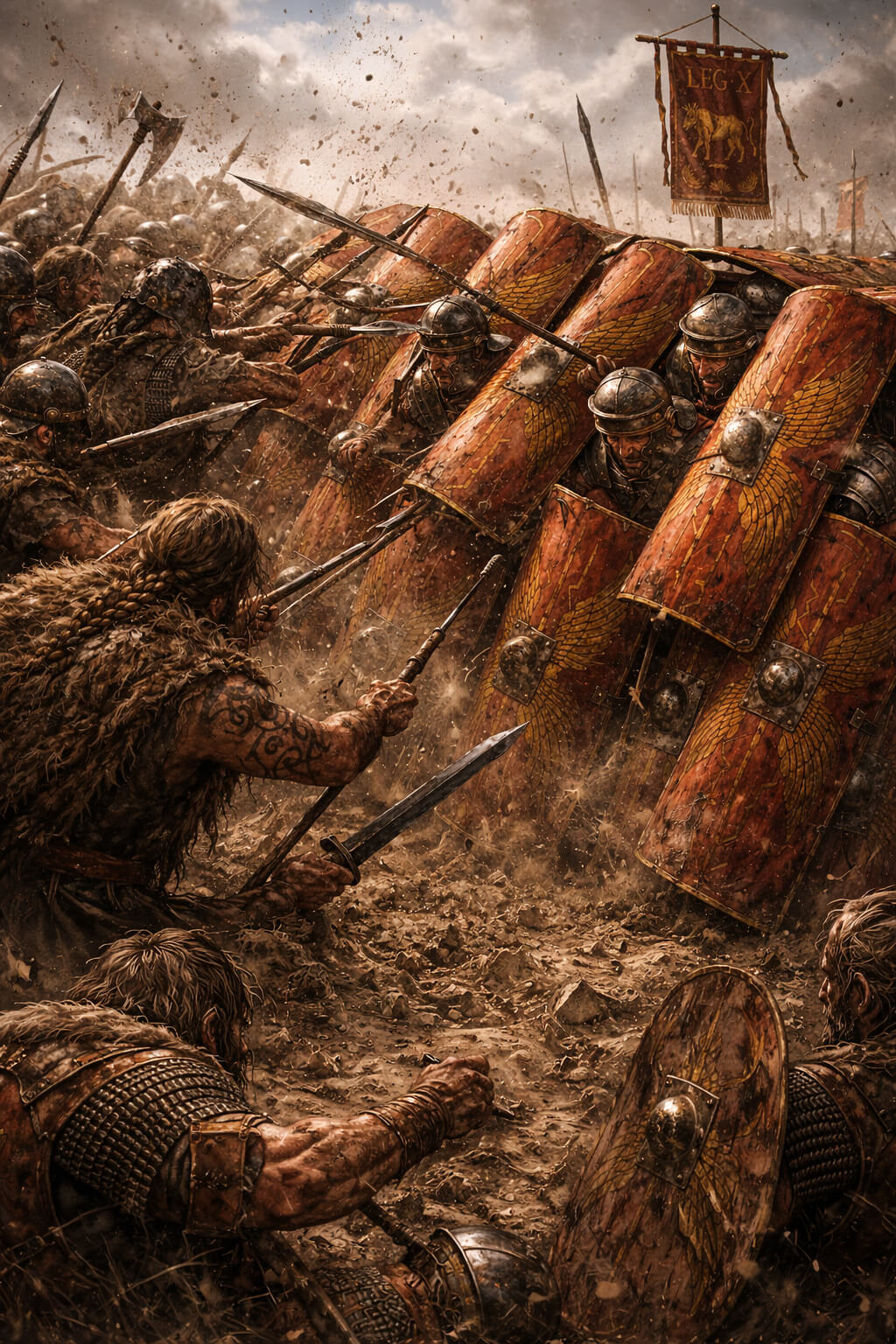
Shield Wall Response
Roman infantry were trained to close ranks and absorb enemy pressure with shielded defensive responses before countering.