Ranged attrition, defensive depth, imperial resilience, and formation disruption.
Playstyle: Persia wins by weakening enemy attacks, sustaining its line, and slowly exhausting the opponent’s resources.
- Consistent ATK reduction and battlefield softening
- Good recovery of lower-level units and doctrine access
- Strong defensive positioning and reactive protection
Balance Focus: Retuned around Archers, Guard units, Chariots, and defensive attrition.
Units (9)
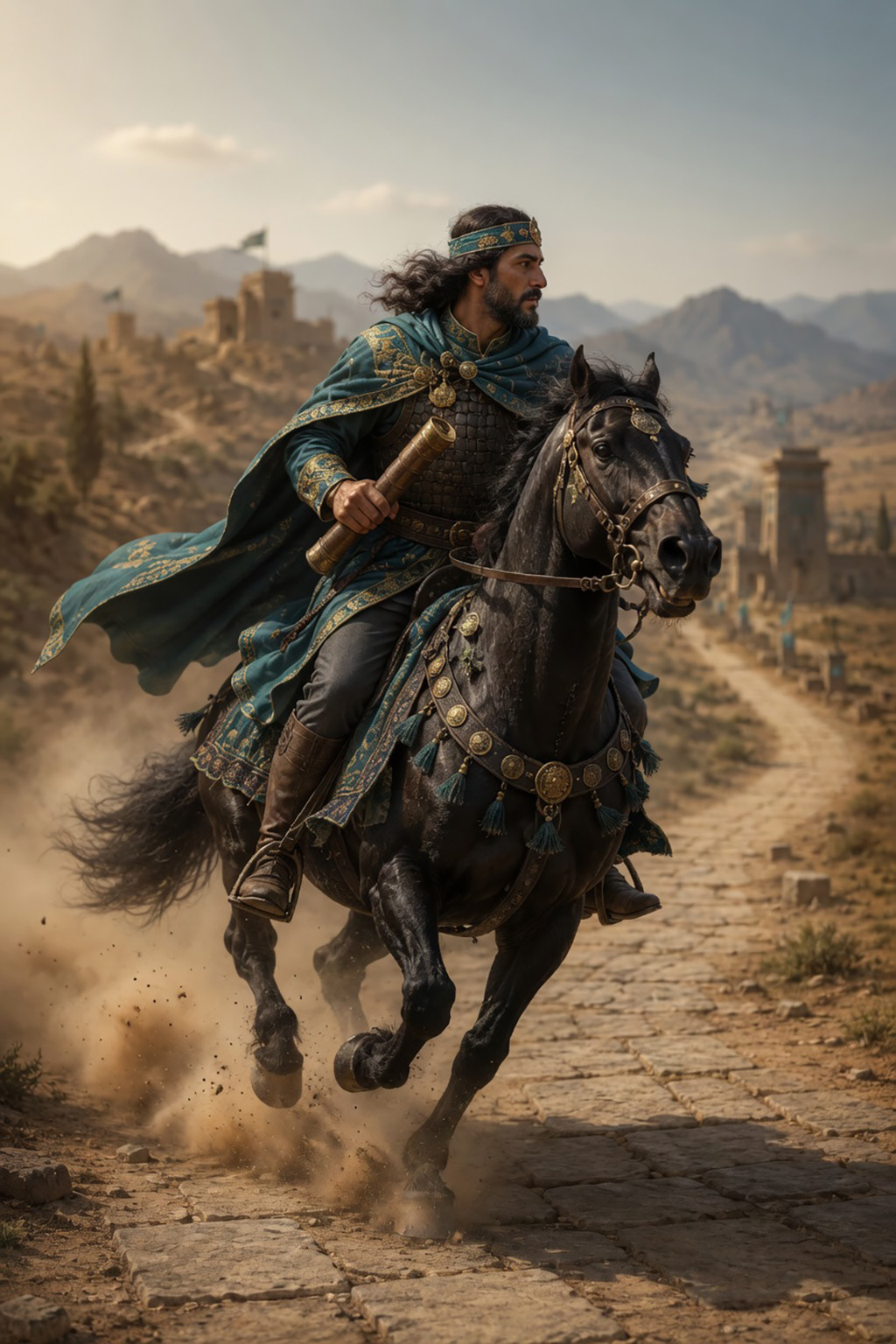
Royal Messenger
Royal messengers traveled along imperial communications routes and helped bind together the far-flung Achaemenid state.
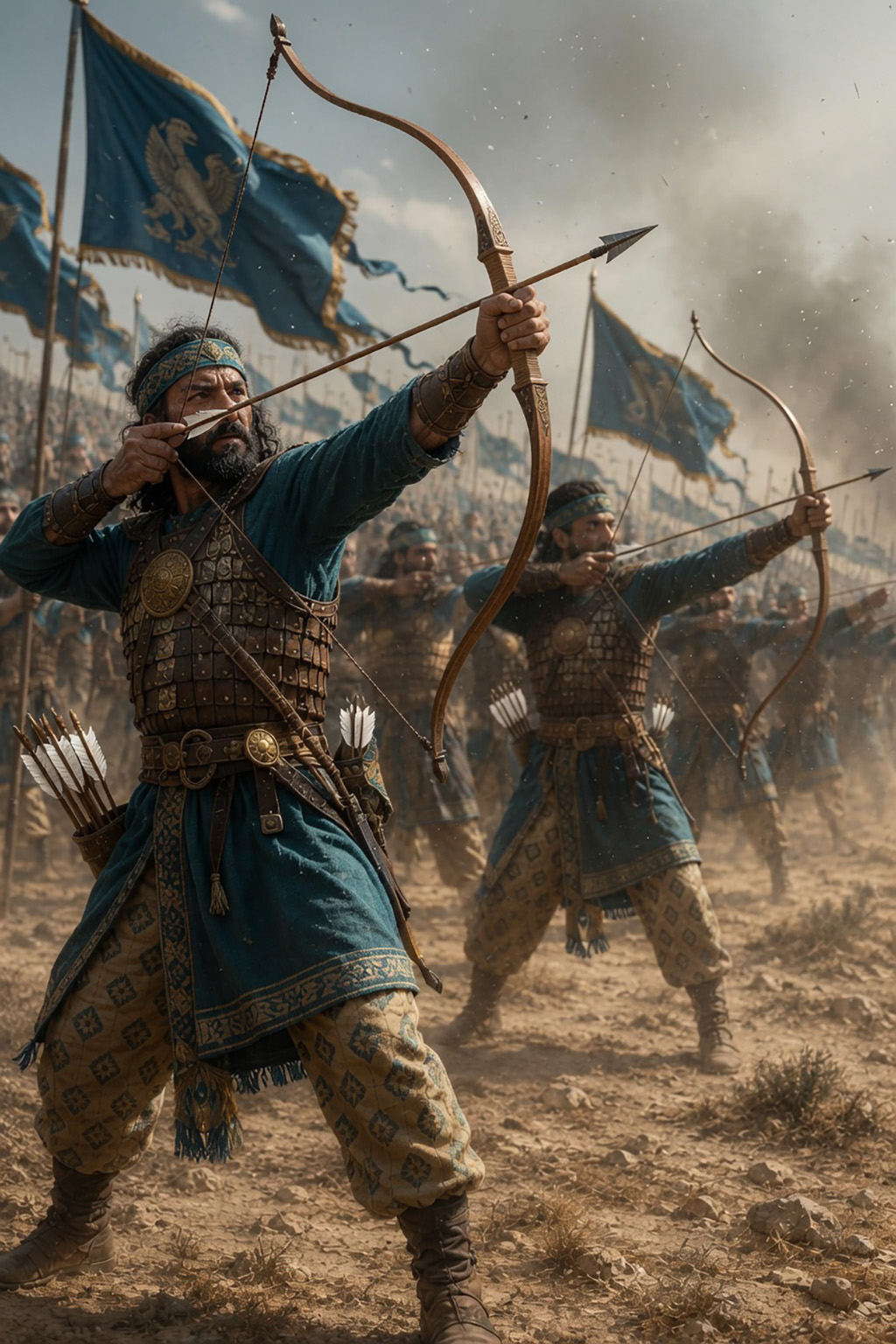
Persian Archer Levy
Archery was a hallmark of Achaemenid warfare, and large numbers of levy archers could shower enemies from range.
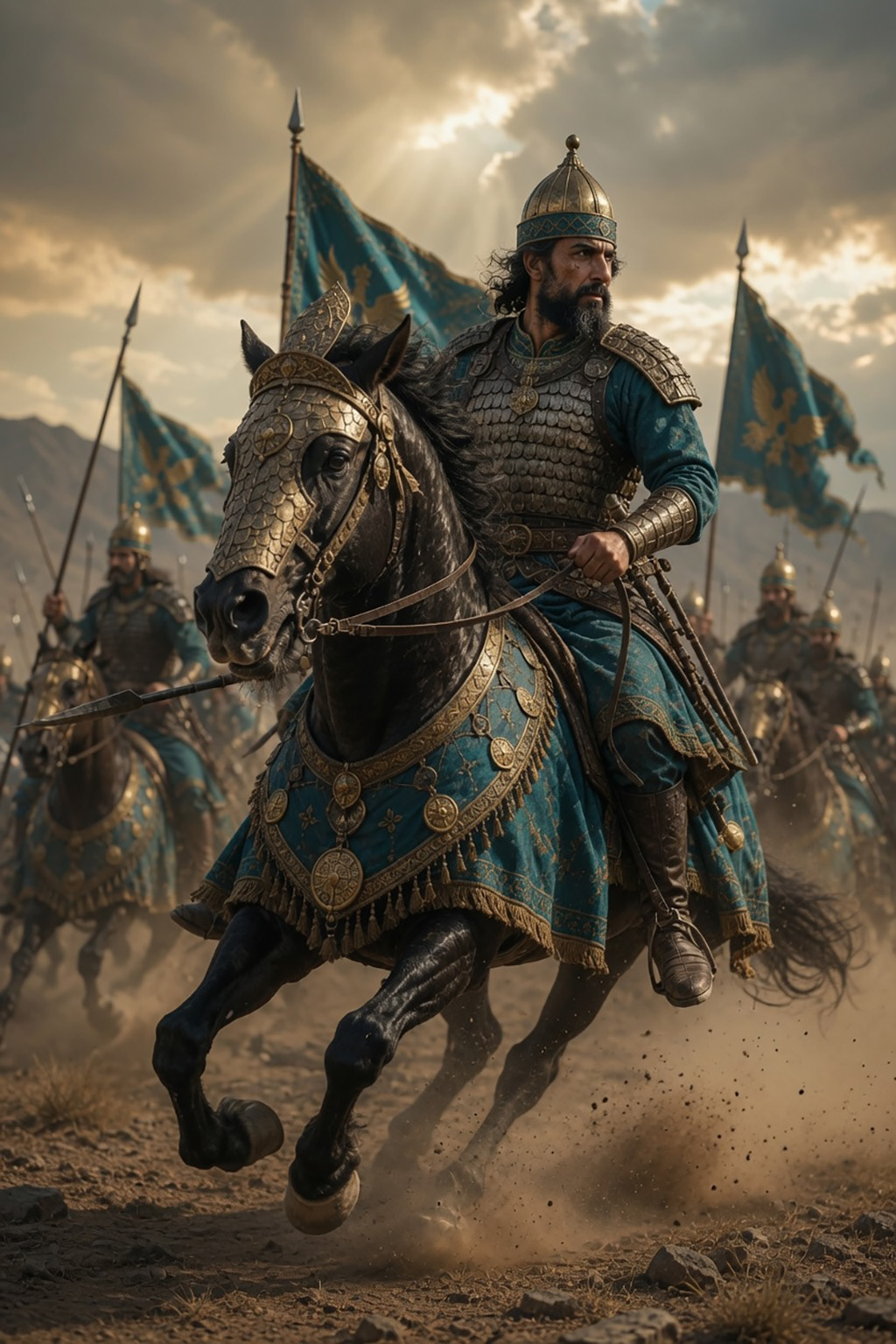
Median Cavalry
Median cavalry contributed mounted strength to the Achaemenid army and represented an important Iranian military tradition.
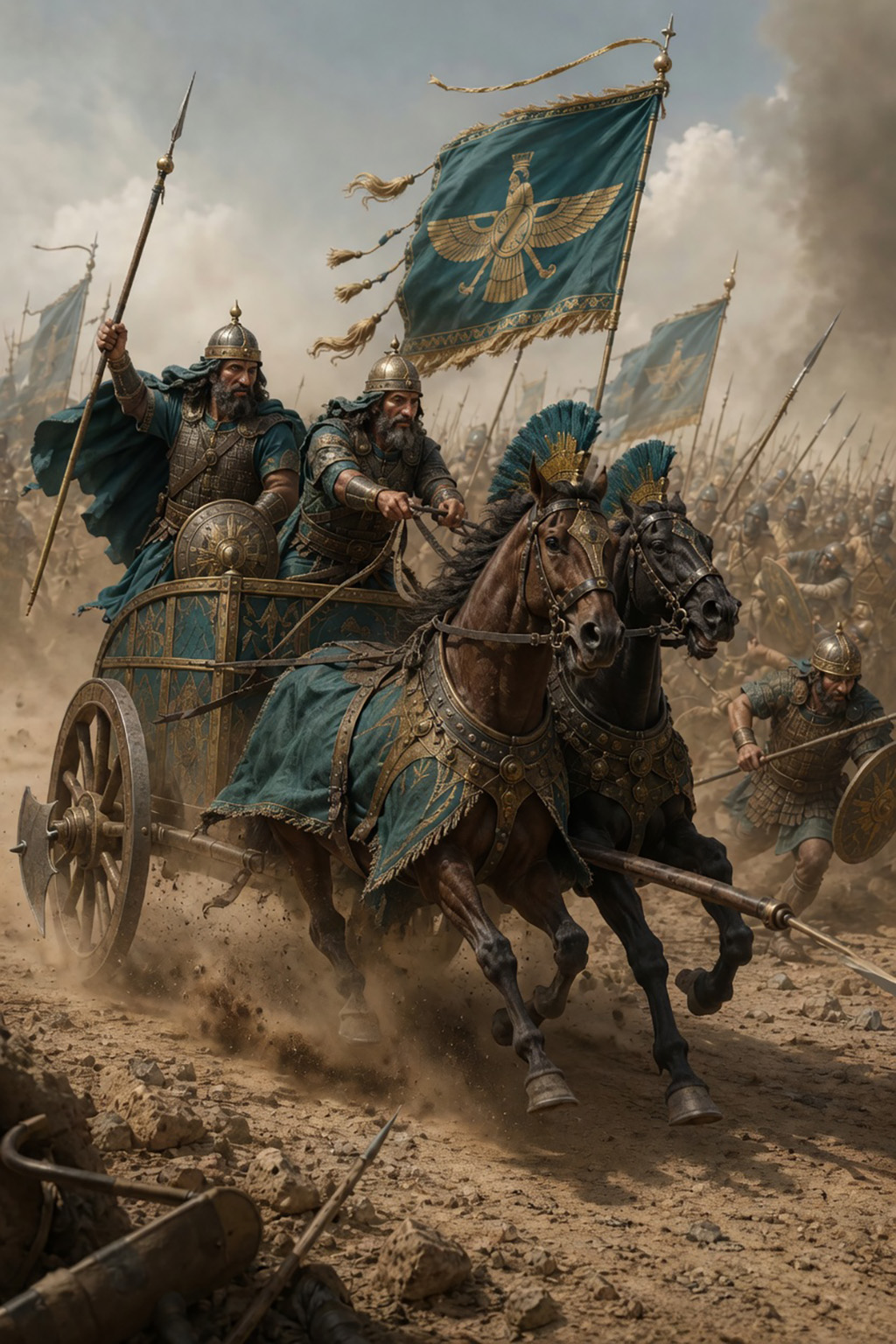
Scythed Chariot
Scythed chariots carried projecting blades on the axle and were intended to shock and disrupt dense enemy formations.
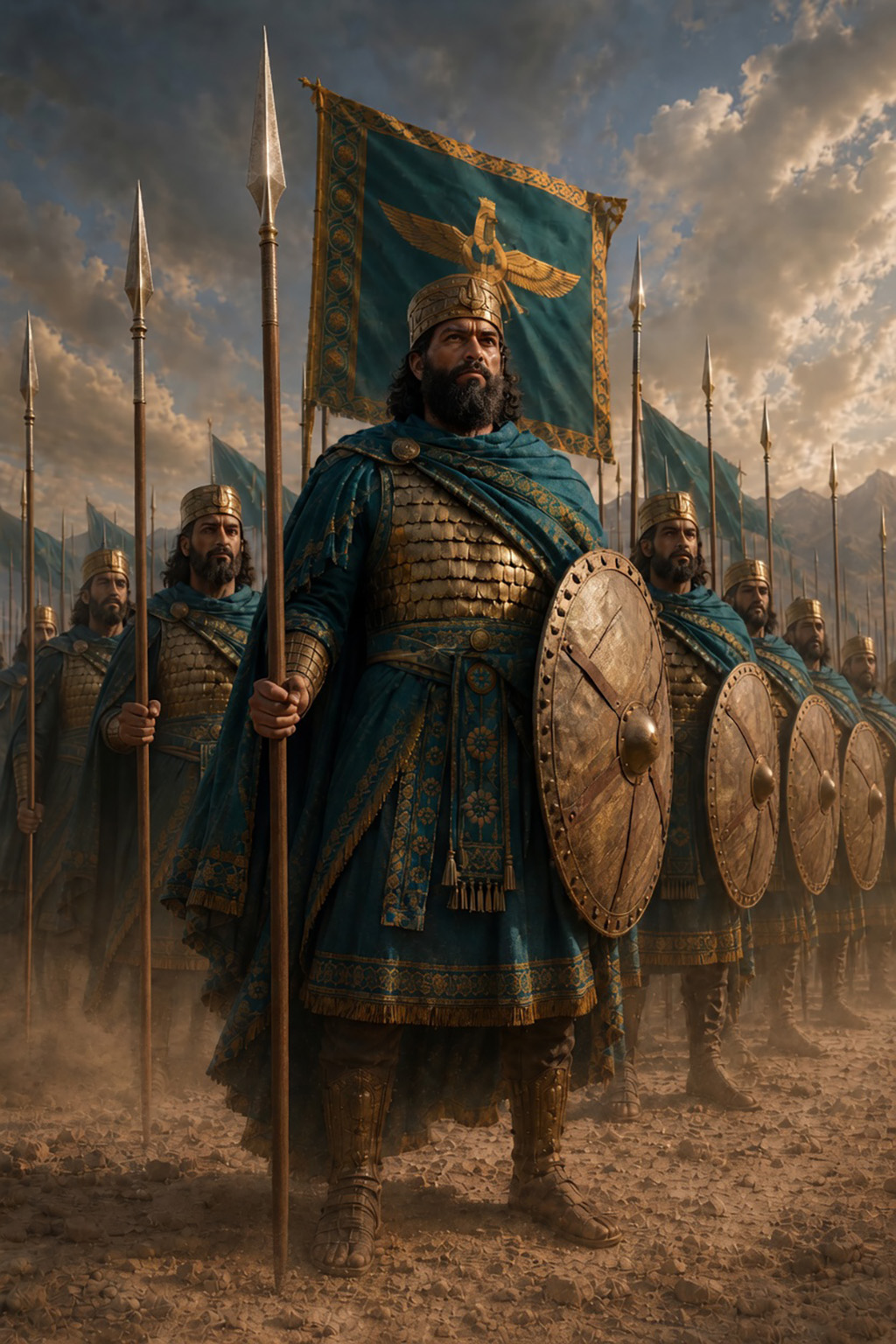
Immortal Guard
The Immortals were the famous royal guard of the Achaemenid Empire, maintained at a fixed strength and closely tied to the king.
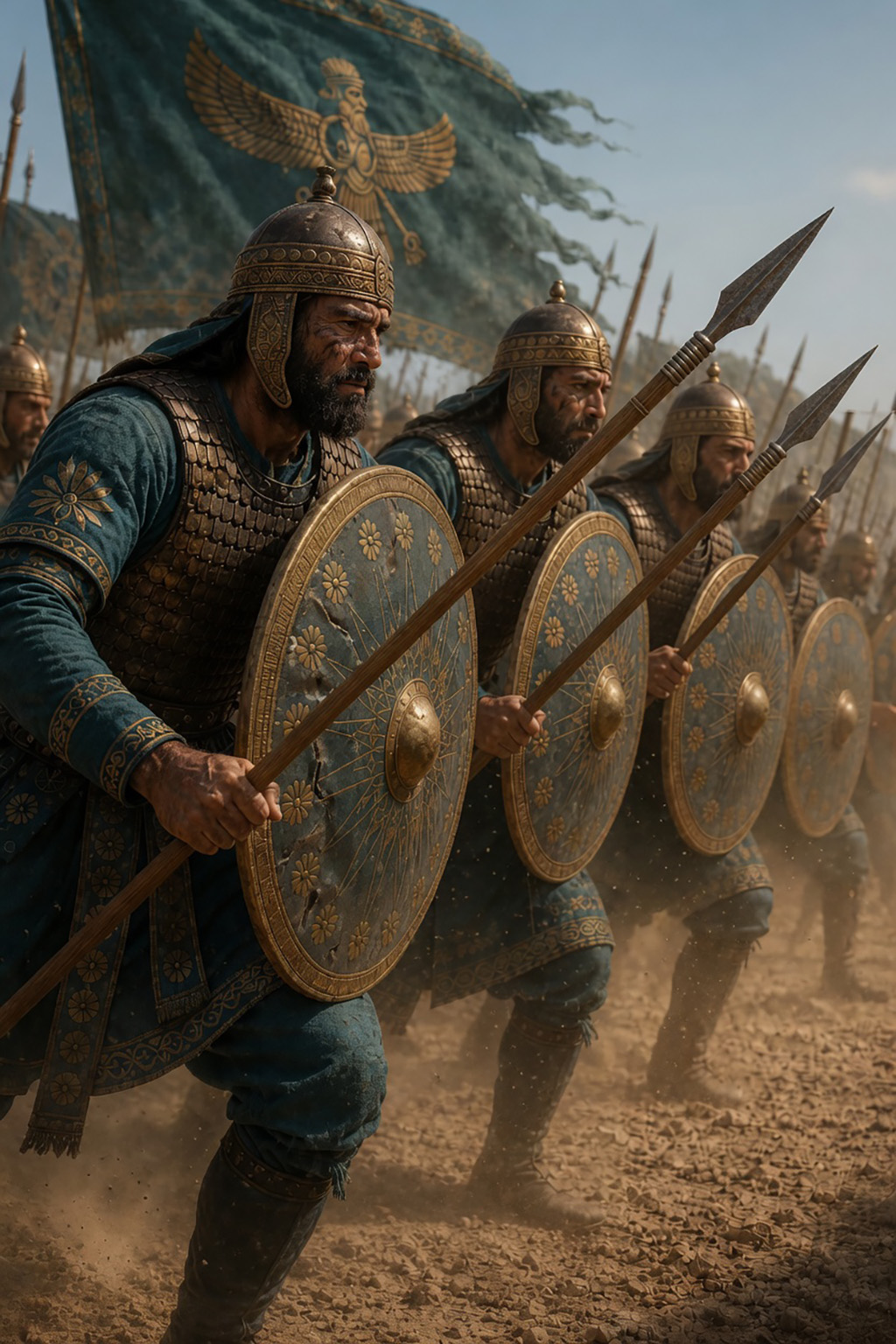
Cardaces Spearmen
The Cardaces are described in sources as Persian-trained infantry intended to strengthen the empire’s field armies.
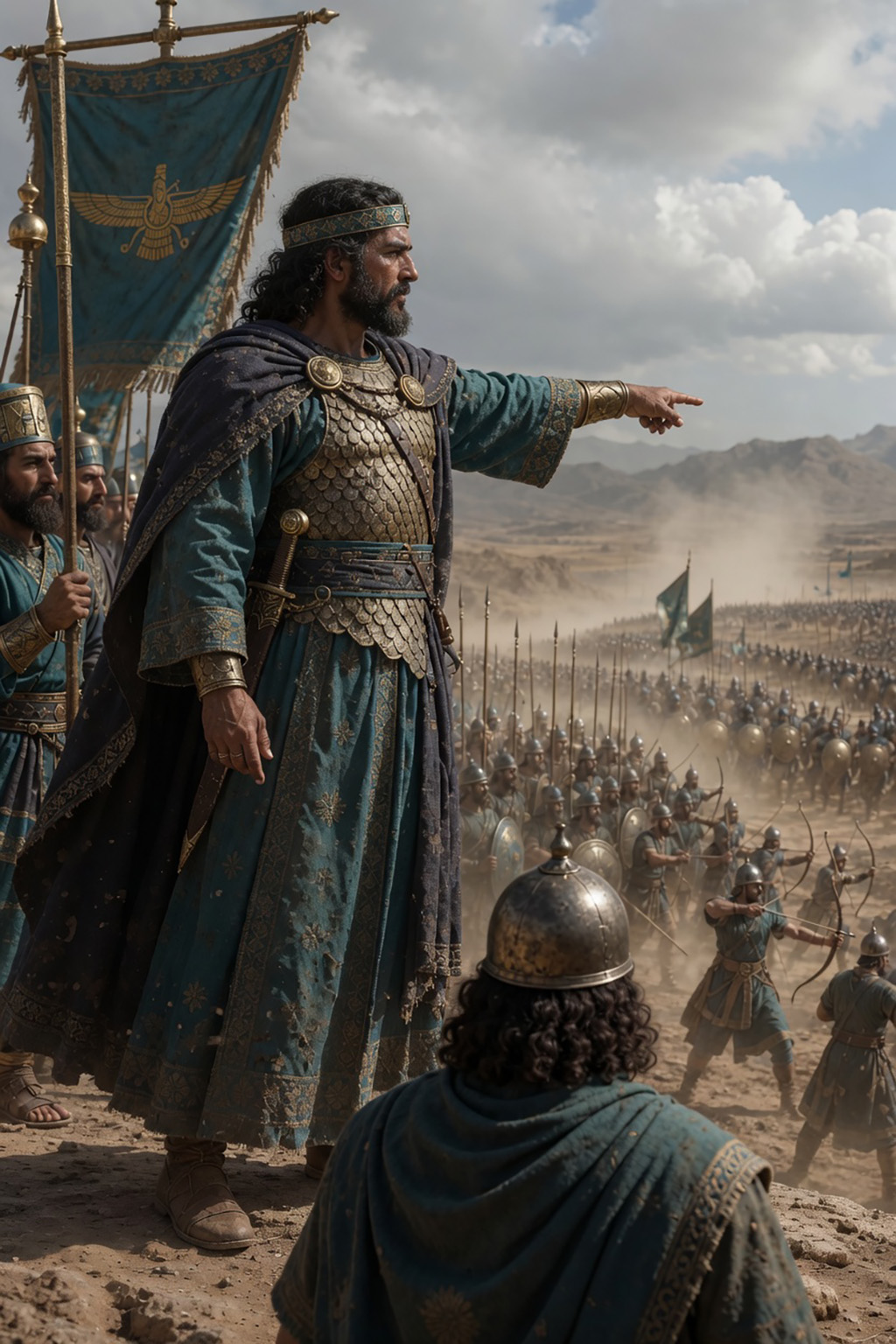
Satrap Commander
A satrap was a provincial governor who could wield military, fiscal, and administrative authority within the empire.
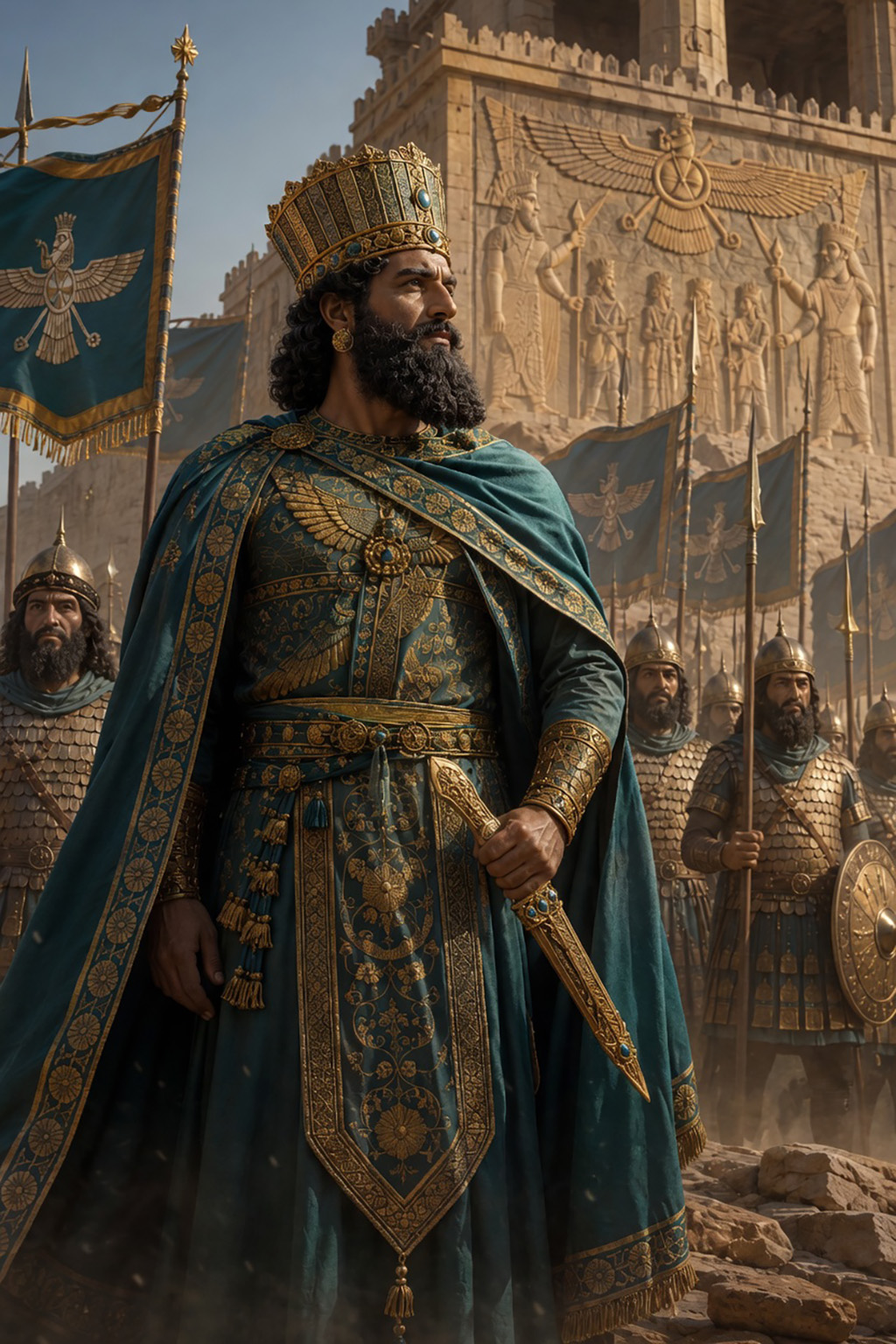
Darius, Great King
Darius I organized and expanded the Achaemenid Empire, strengthening administration, tribute systems, and royal authority.
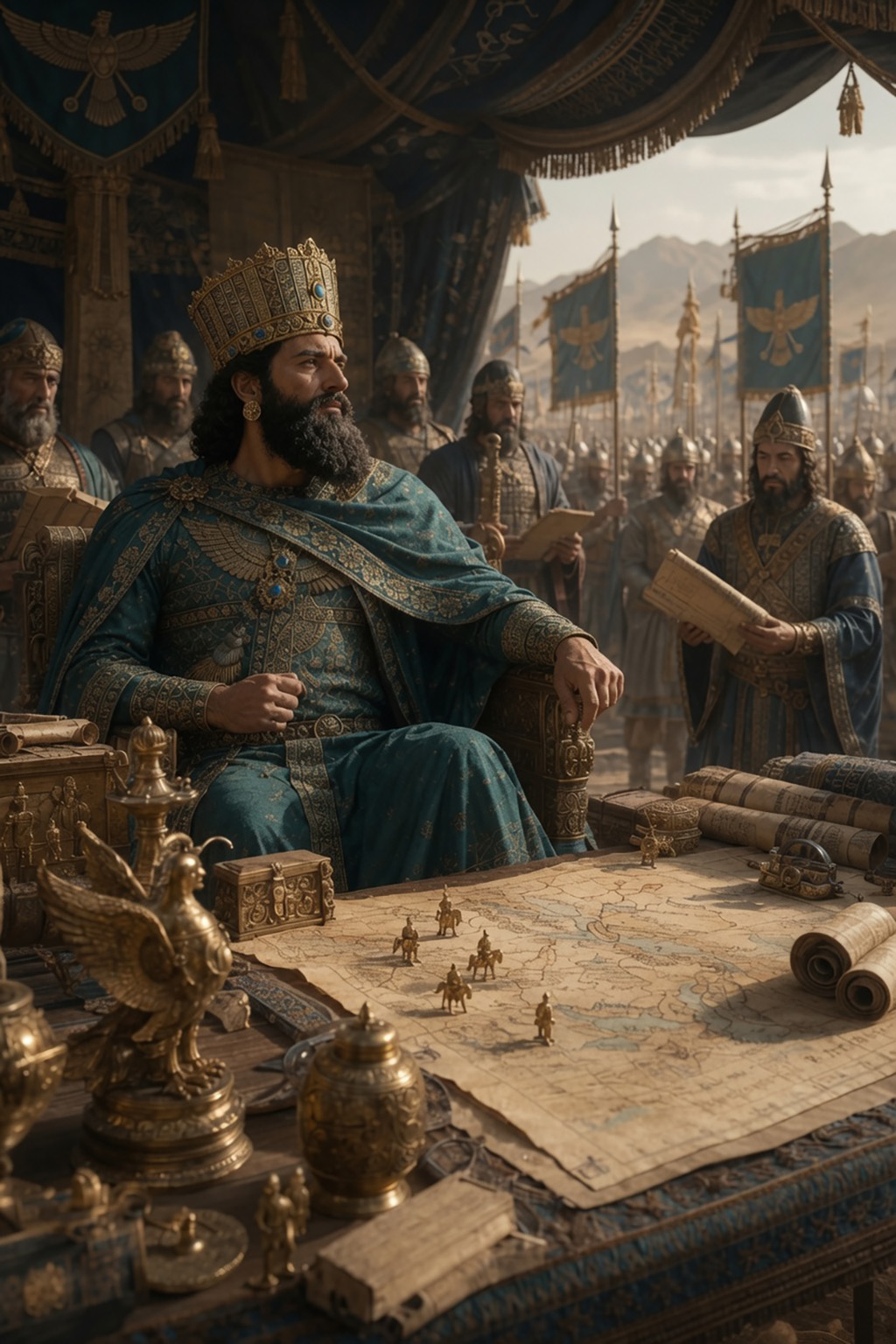
Darius, Lord of Satrapies
Darius I is also remembered for organizing imperial government through satrapies, roads, taxation, and centralized royal authority.
Doctrines (6)
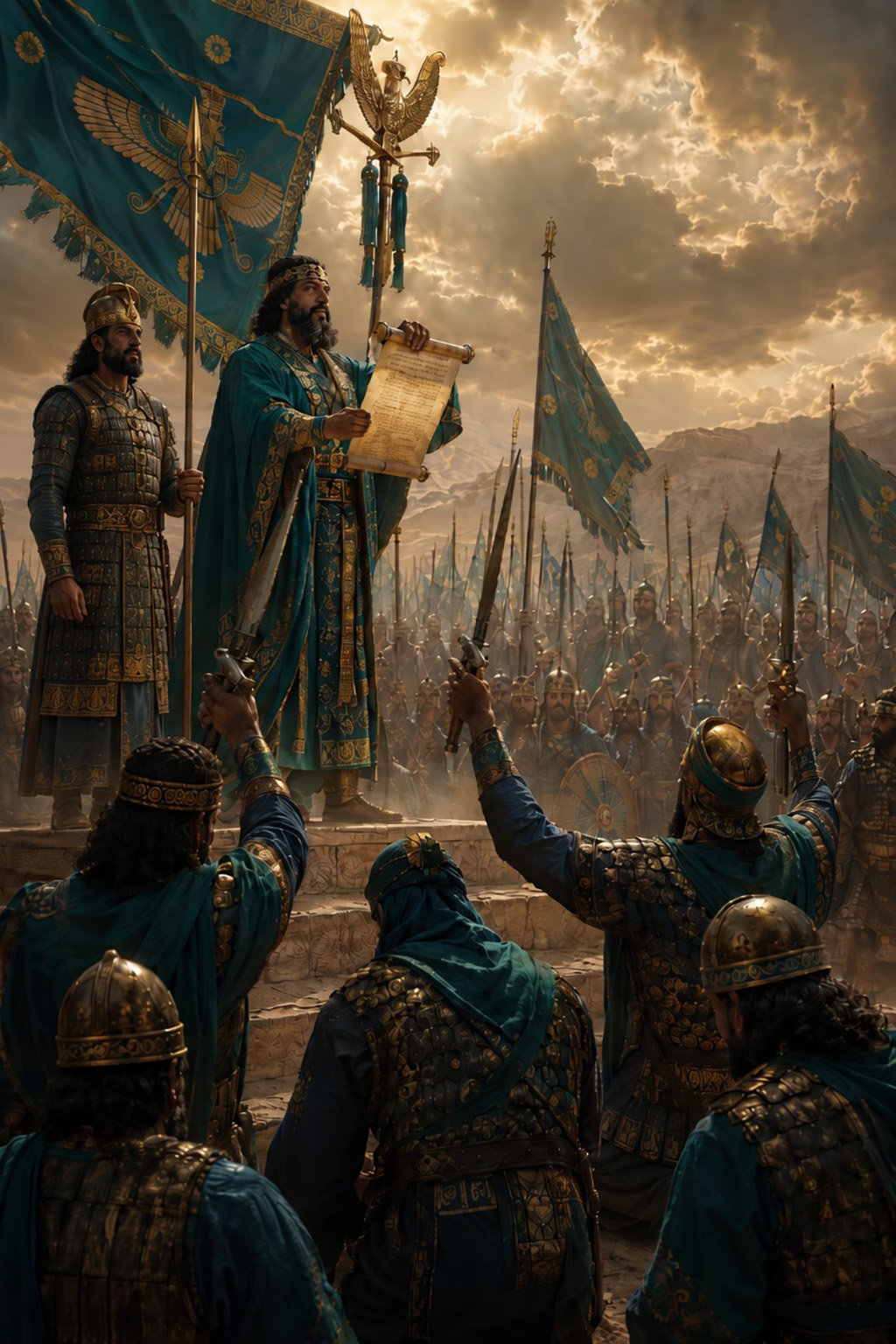
King of Kings’ Decree
The title 'King of Kings' expressed supreme royal authority over many subordinate rulers within the Persian Empire.
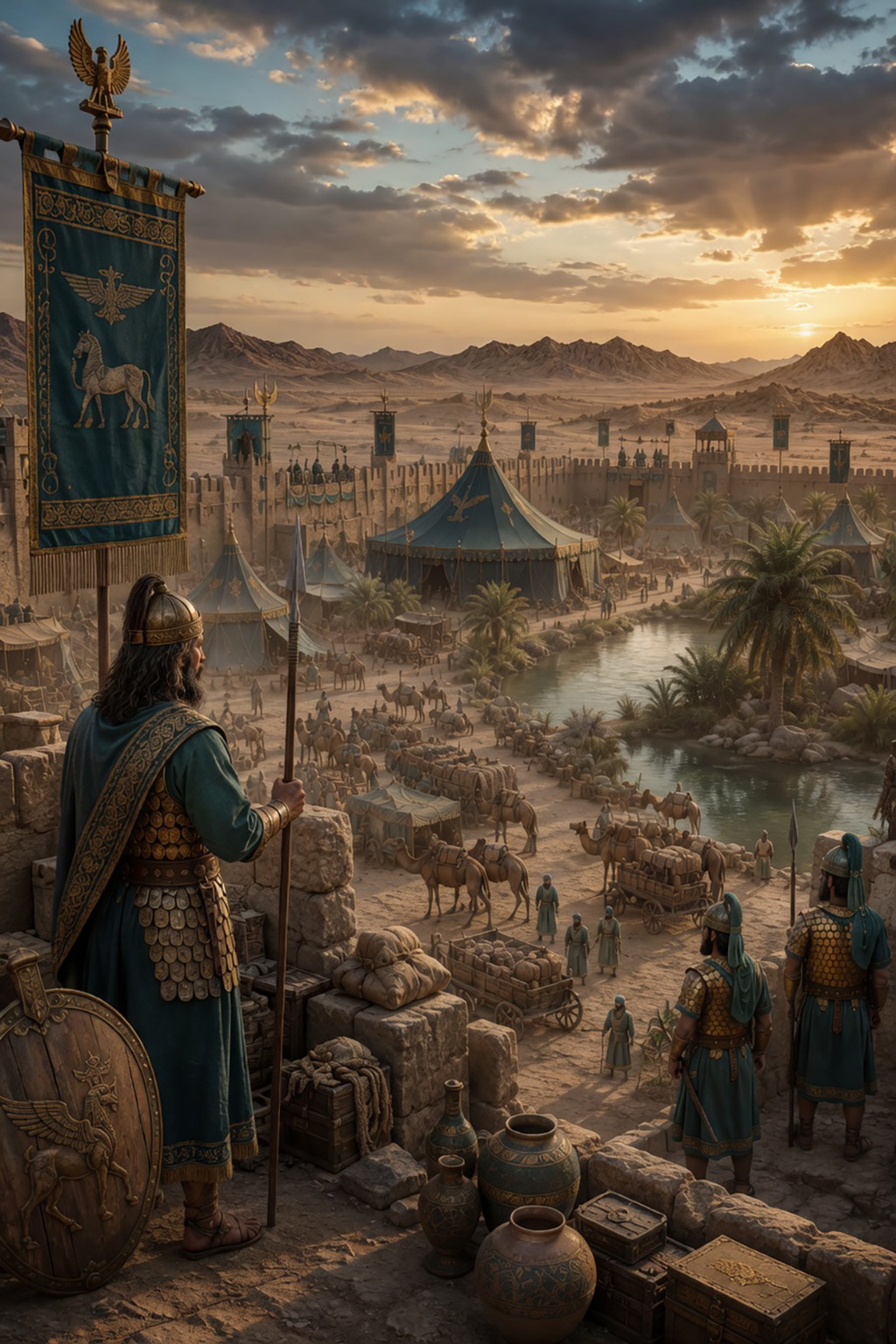
Oasis Encampment
In arid campaigning, reliable encampments near water were essential to keeping troops, animals, and supplies alive.
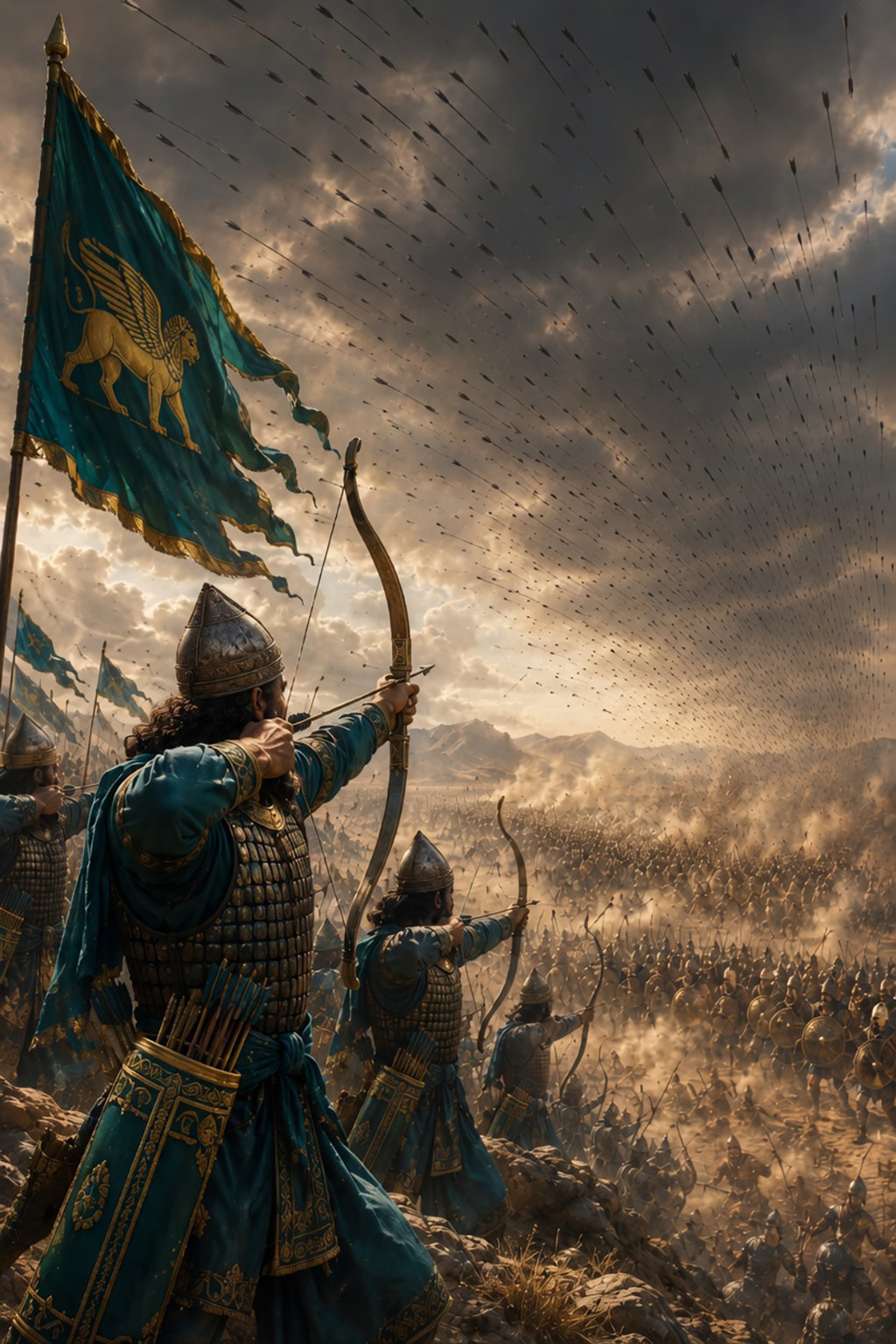
Rain of Arrows
Massed archery was a standard Persian battlefield method, used to weaken and unsettle opponents before close action.
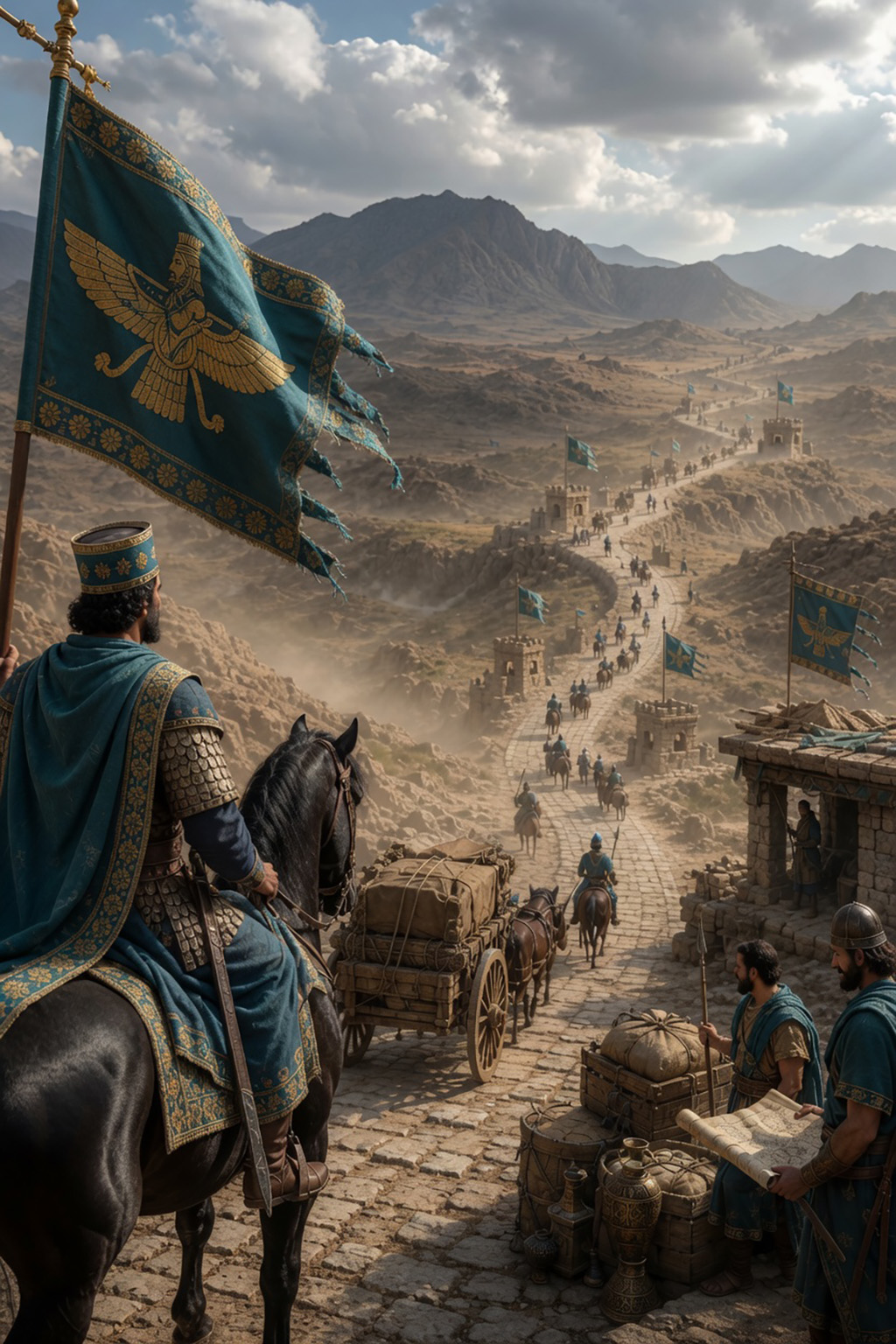
Royal Road
The Royal Road was the Achaemenid Empire’s great communications network, supporting travel, governance, and rapid message movement.
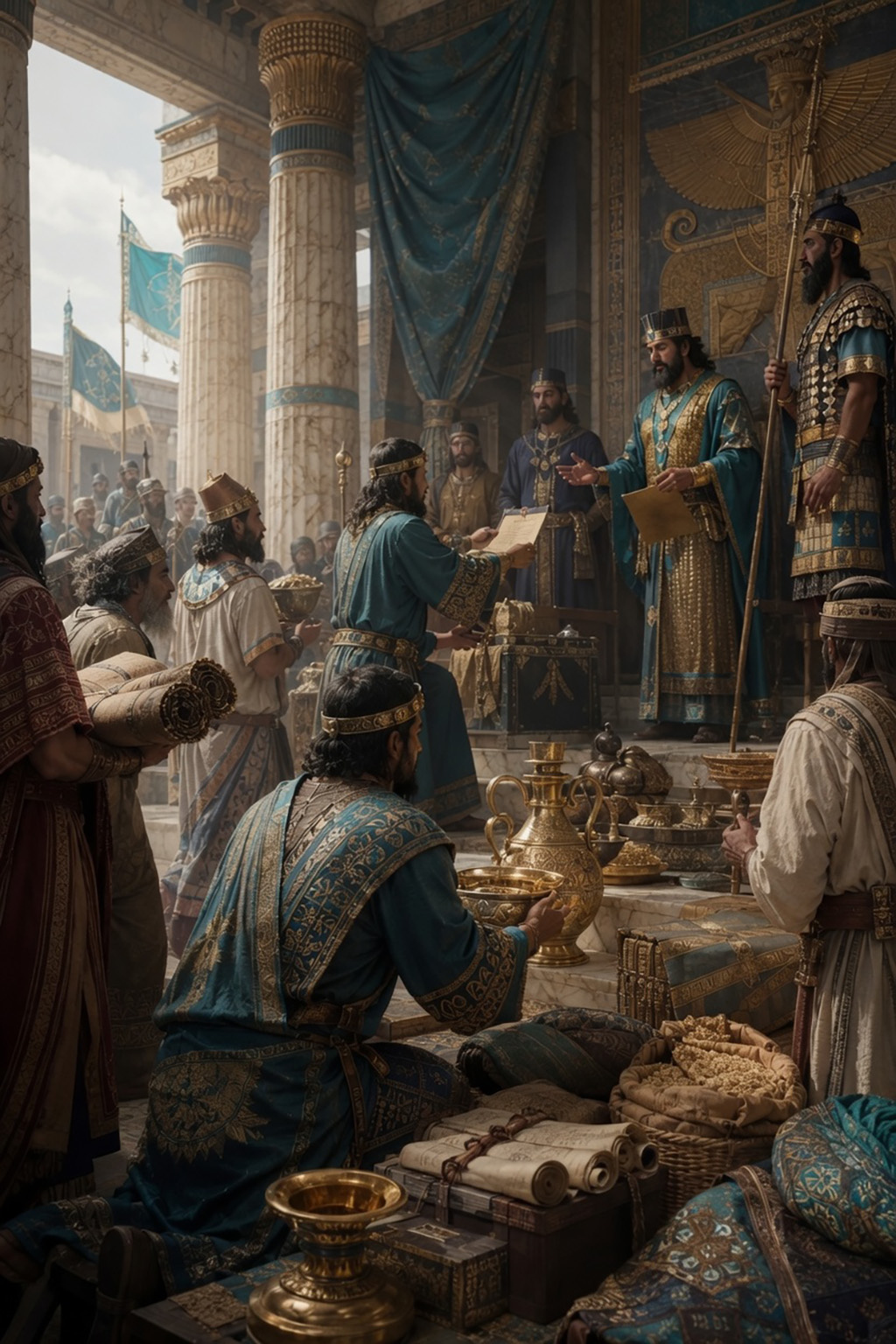
Satrapy Tribute
Tribute from the satrapies underpinned Persian imperial finance and supported the court, army, and administration.
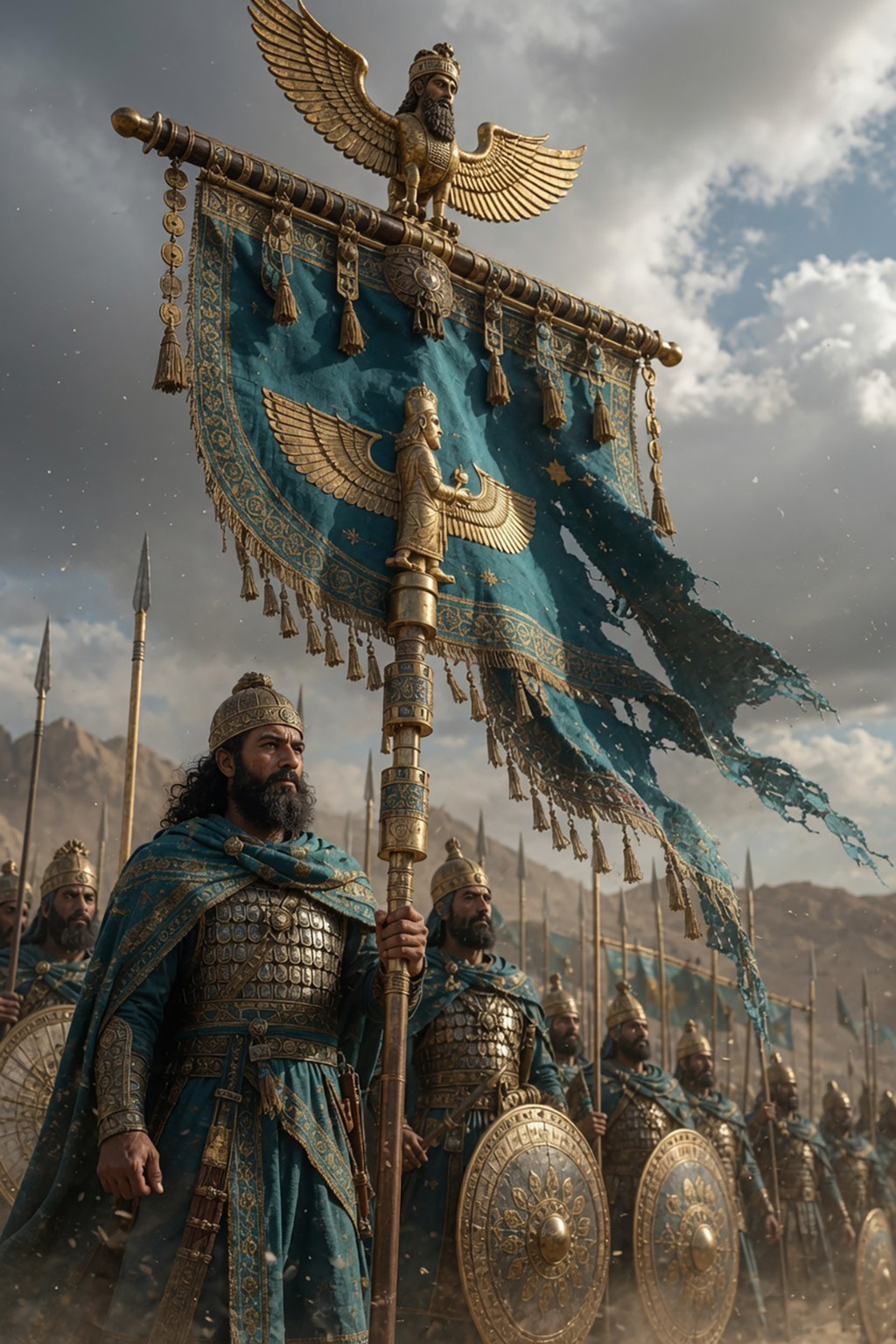
Standard of the Immortals
Military standards served as points of order, prestige, and identity for elite formations in ancient armies.
Tactics (5)
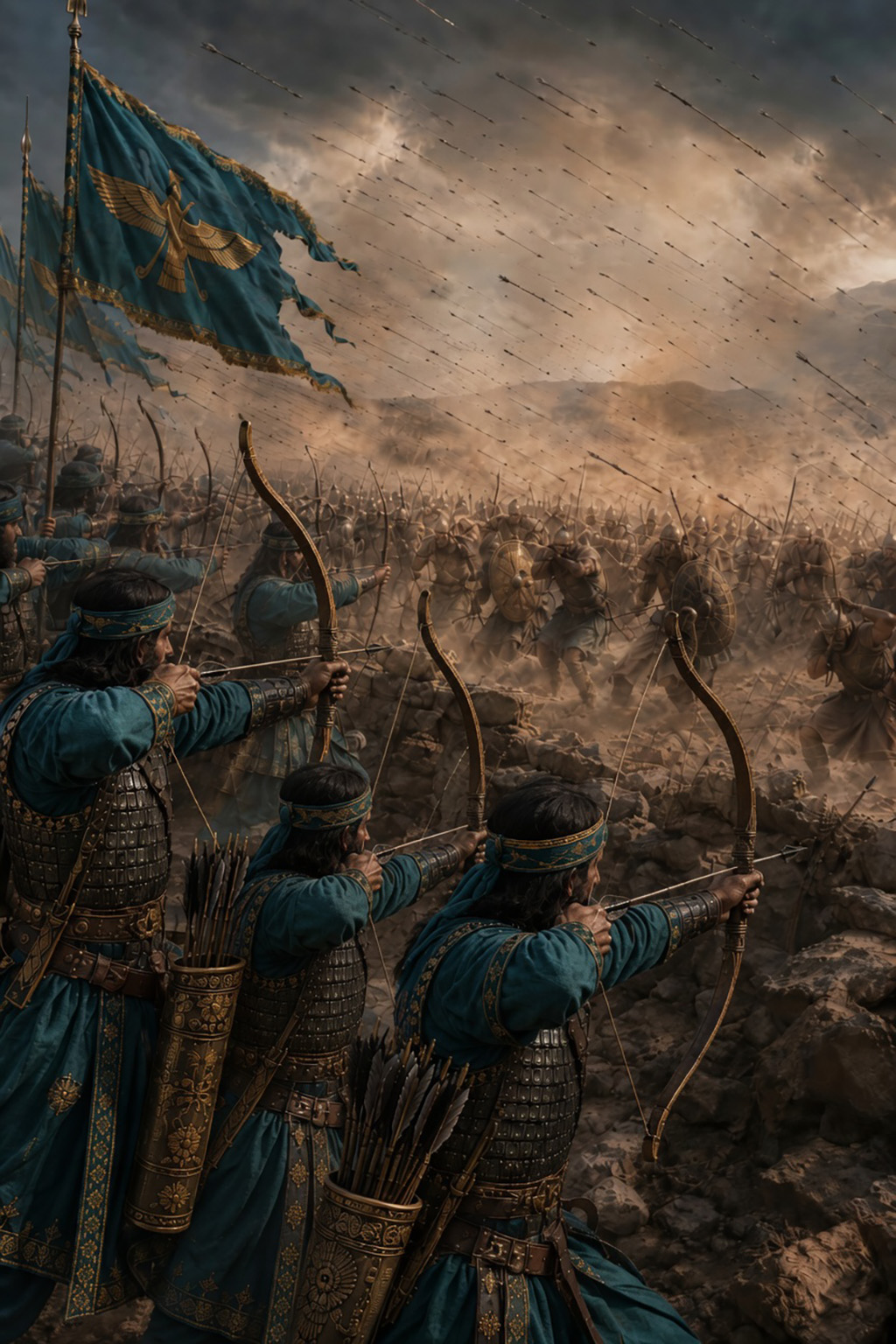
Arrow Curtain
Dense missile fire could act as a protective screen, discouraging enemy advance and blunting attack momentum.
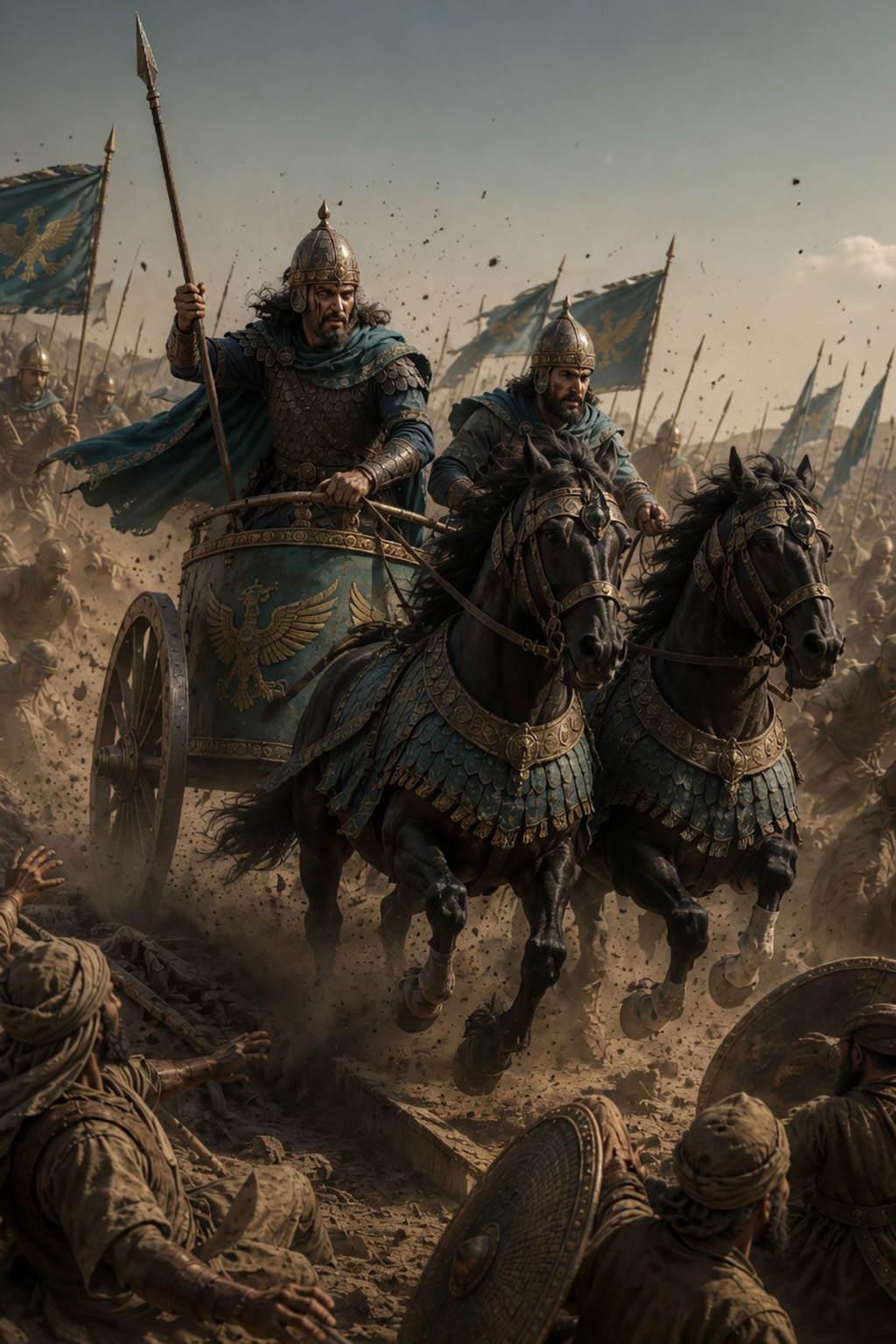
Chariot Breakthrough
Chariot shock tactics aimed to open gaps, disorganize lines, and create confusion before infantry or cavalry exploitation.
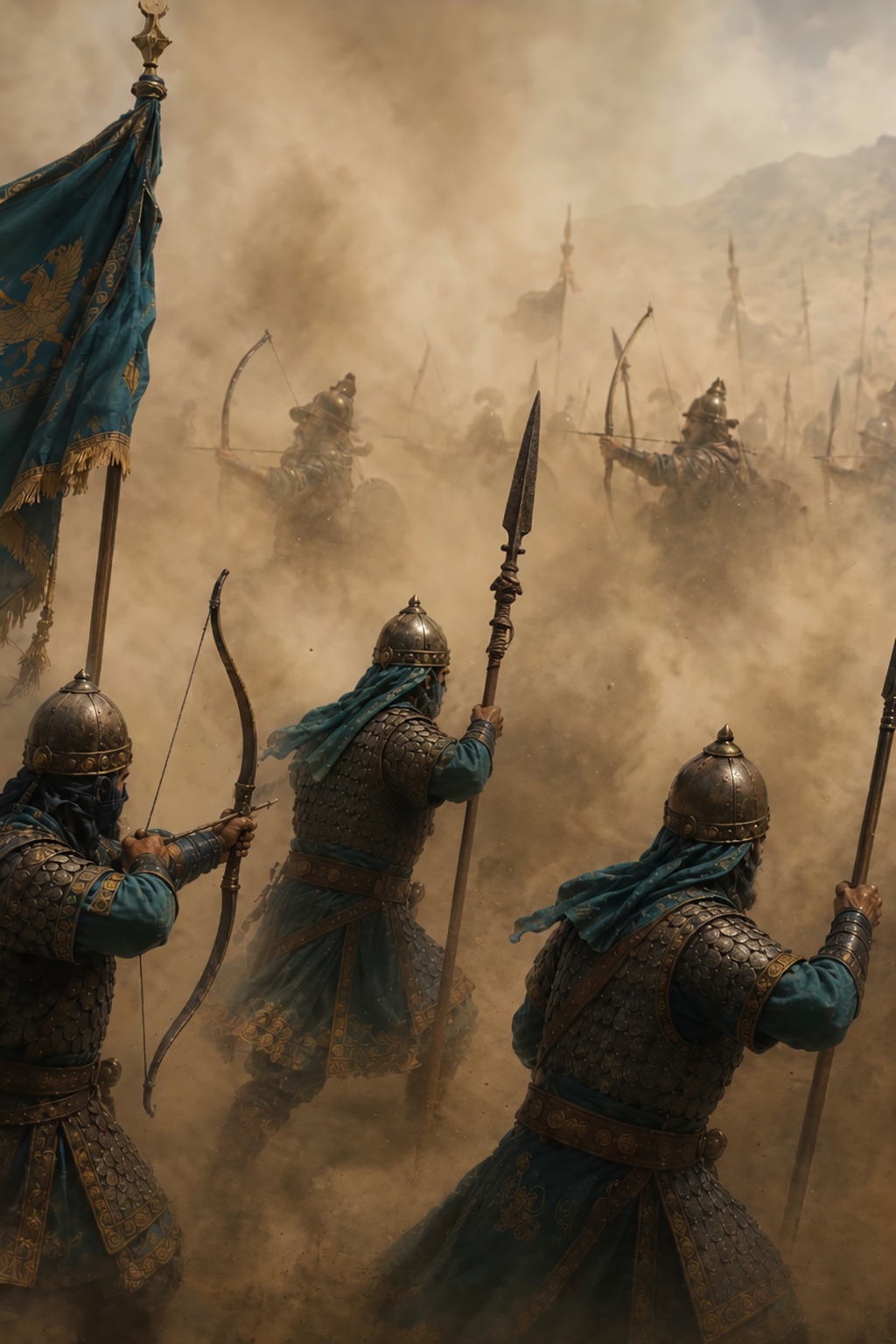
Dust Veil
Dust, visibility, and battlefield concealment were constant factors in ancient warfare, especially on dry open ground.
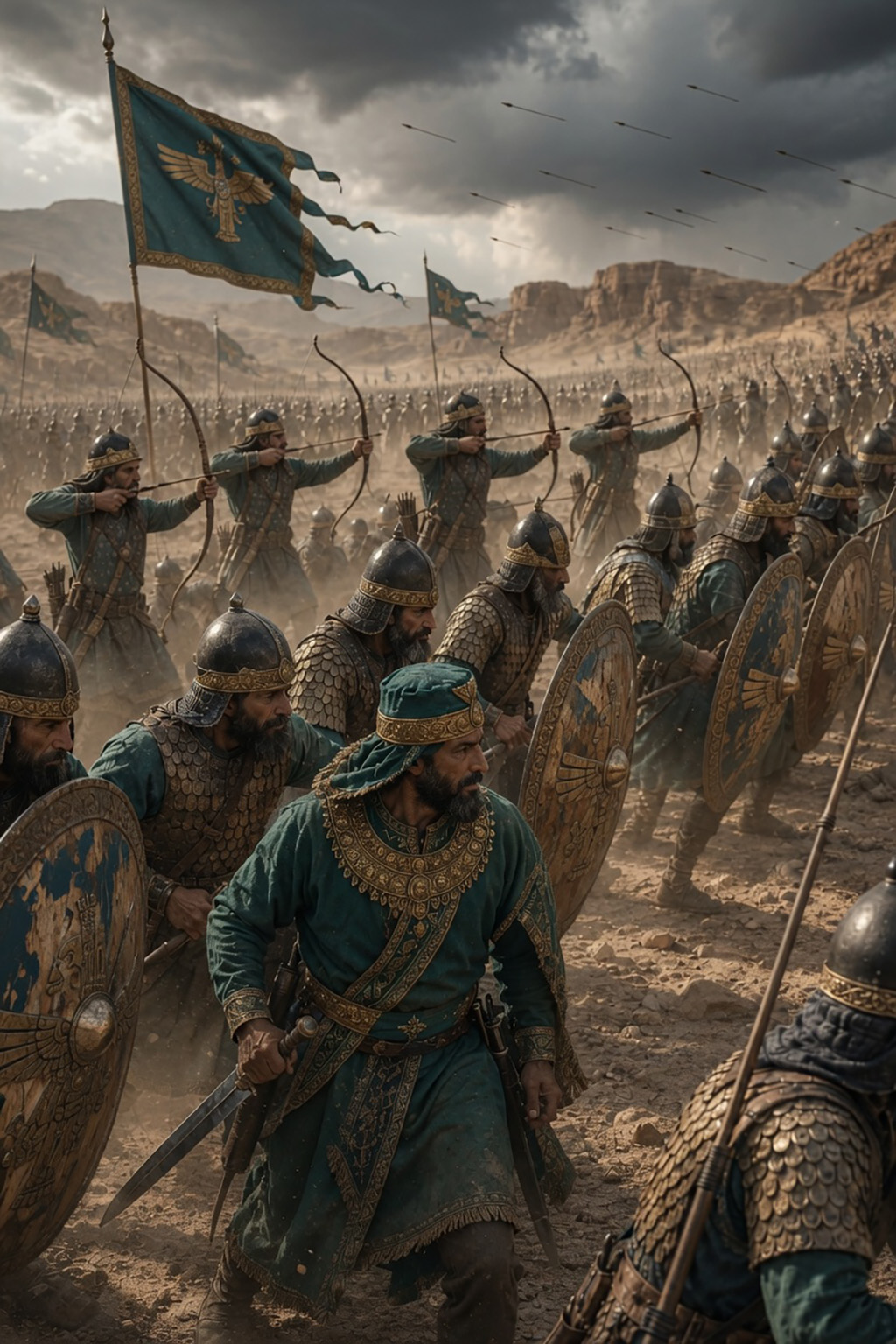
Ordered Withdrawal
Disciplined withdrawal preserved manpower and bought time, especially for armies that emphasized missile warfare and depth.
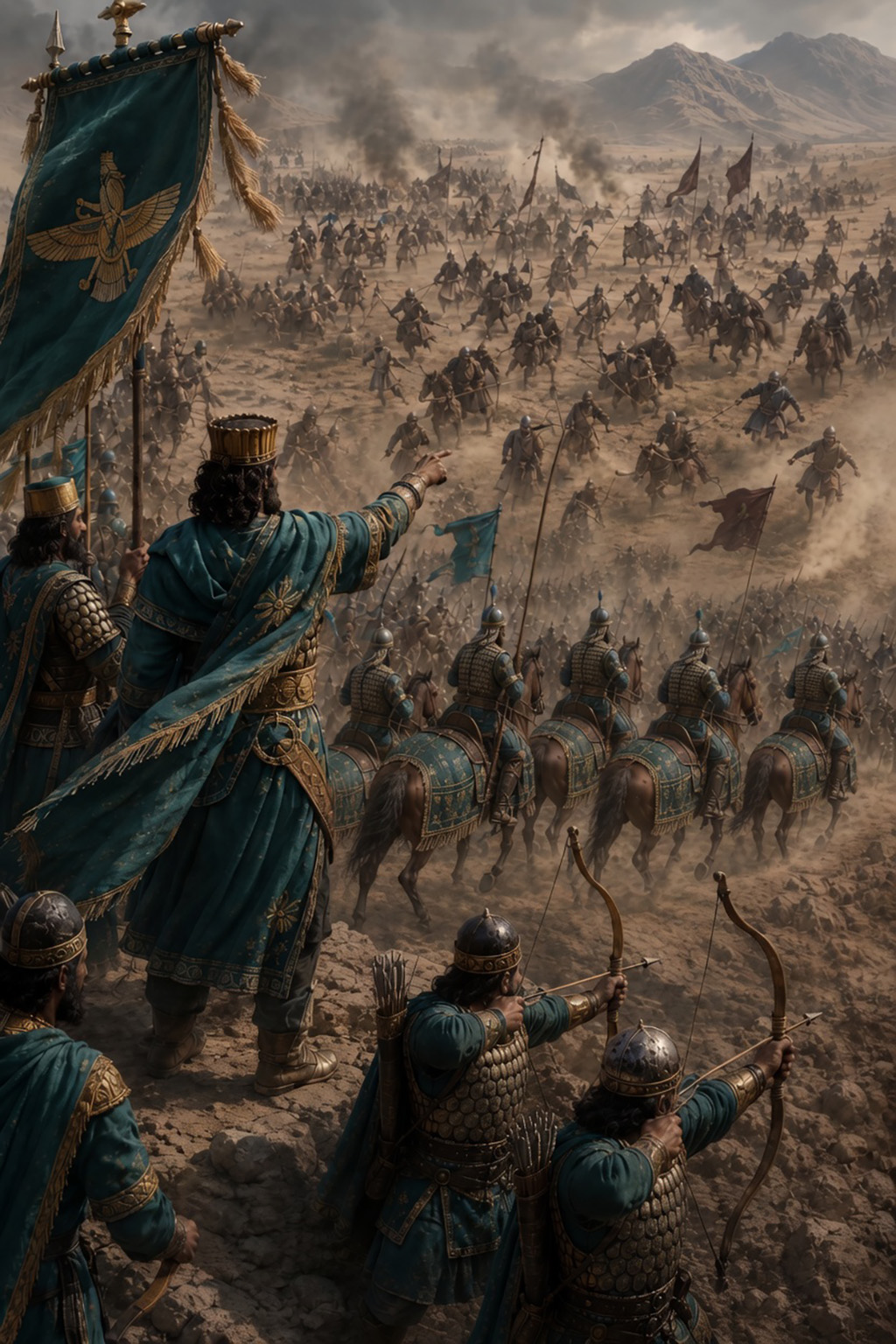
Scattered Formation
Loose or scattered formations could reduce vulnerability to concentrated missile fire and disruptive attack methods.