Terrain-based stability, defensive protection, recovery, and measured battlefield control.
Playstyle: Egypt wins by building a protected formation, maintaining advantage over time, and using the Nile-centered board state to outlast the enemy.
- Strong terrain synergy and defensive anchoring
- Good sustain through LP gain and card recovery
- Reliable support from archers, chariots, and officials
Balance Focus: Retuned around Chariot, Archer, and defensive Nile-board synergies.
Units (10)
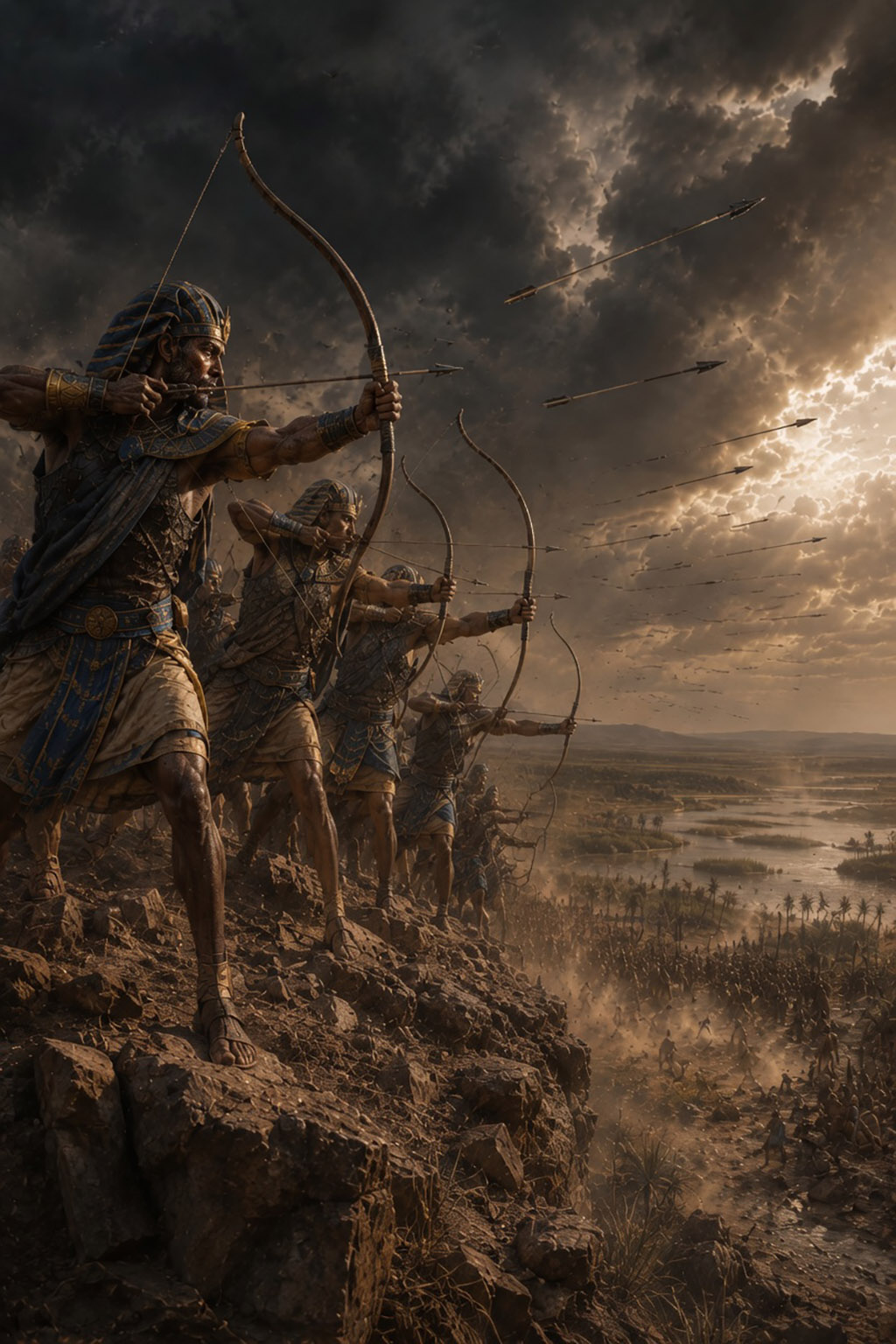
Nubian Archers
Nubian archers were highly valued throughout Egyptian history for their skill with the bow and service in war.
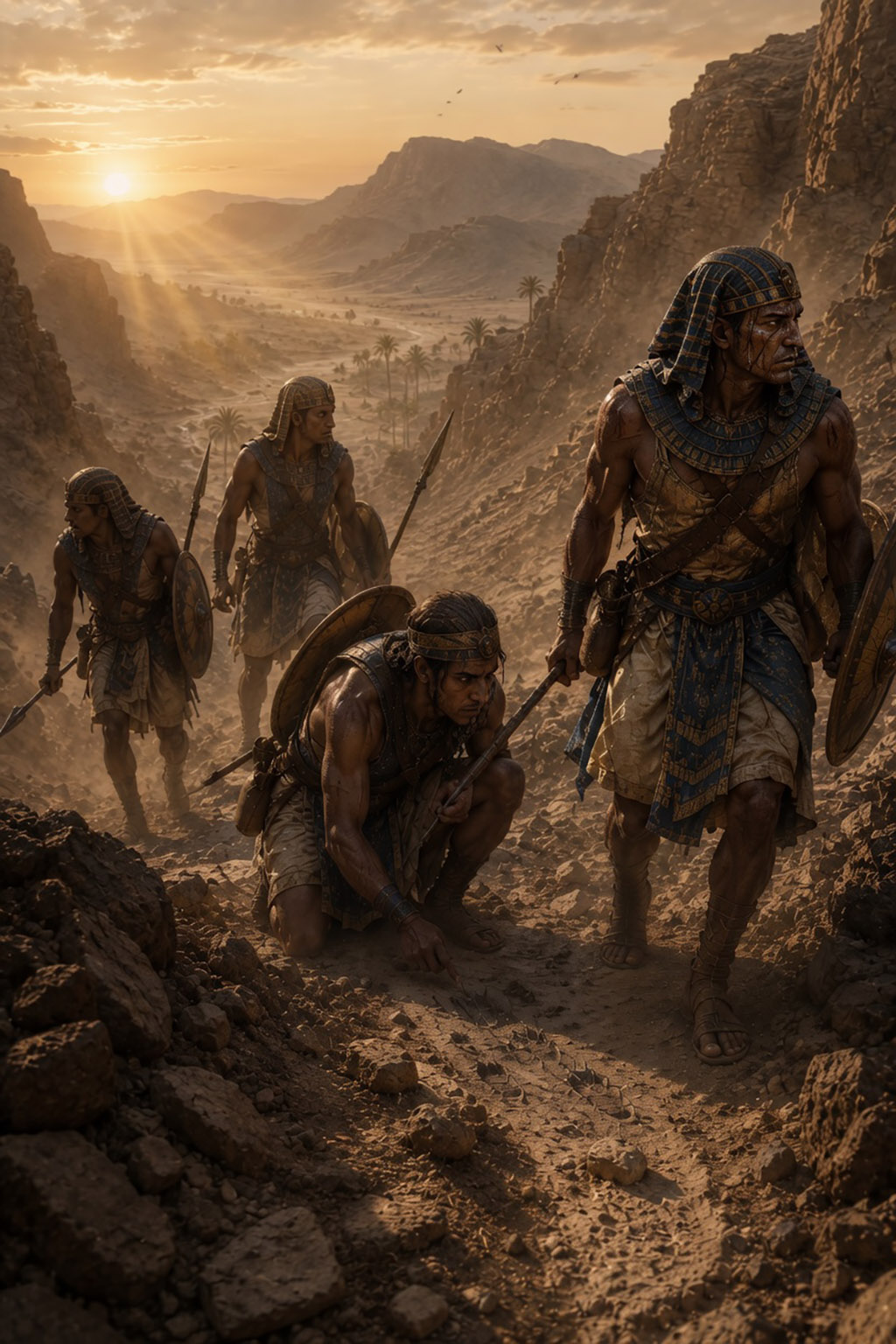
Desert Scouts
Control of desert approaches required scouts and guides familiar with routes, water, and open-country movement.
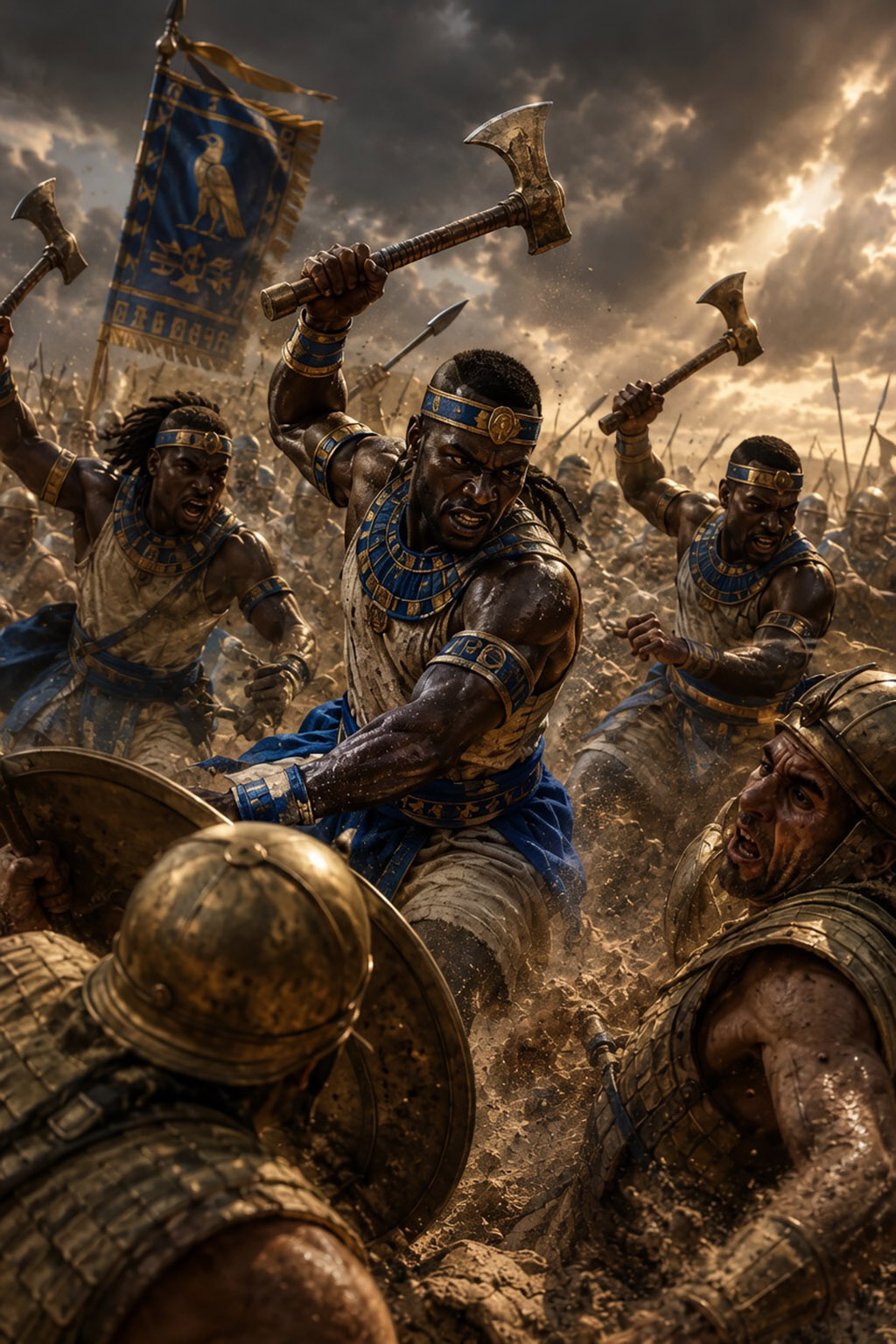
Kushite Axemen
Troops from Kush and Nubia served Egypt in different periods, bringing regional fighting traditions into royal armies.
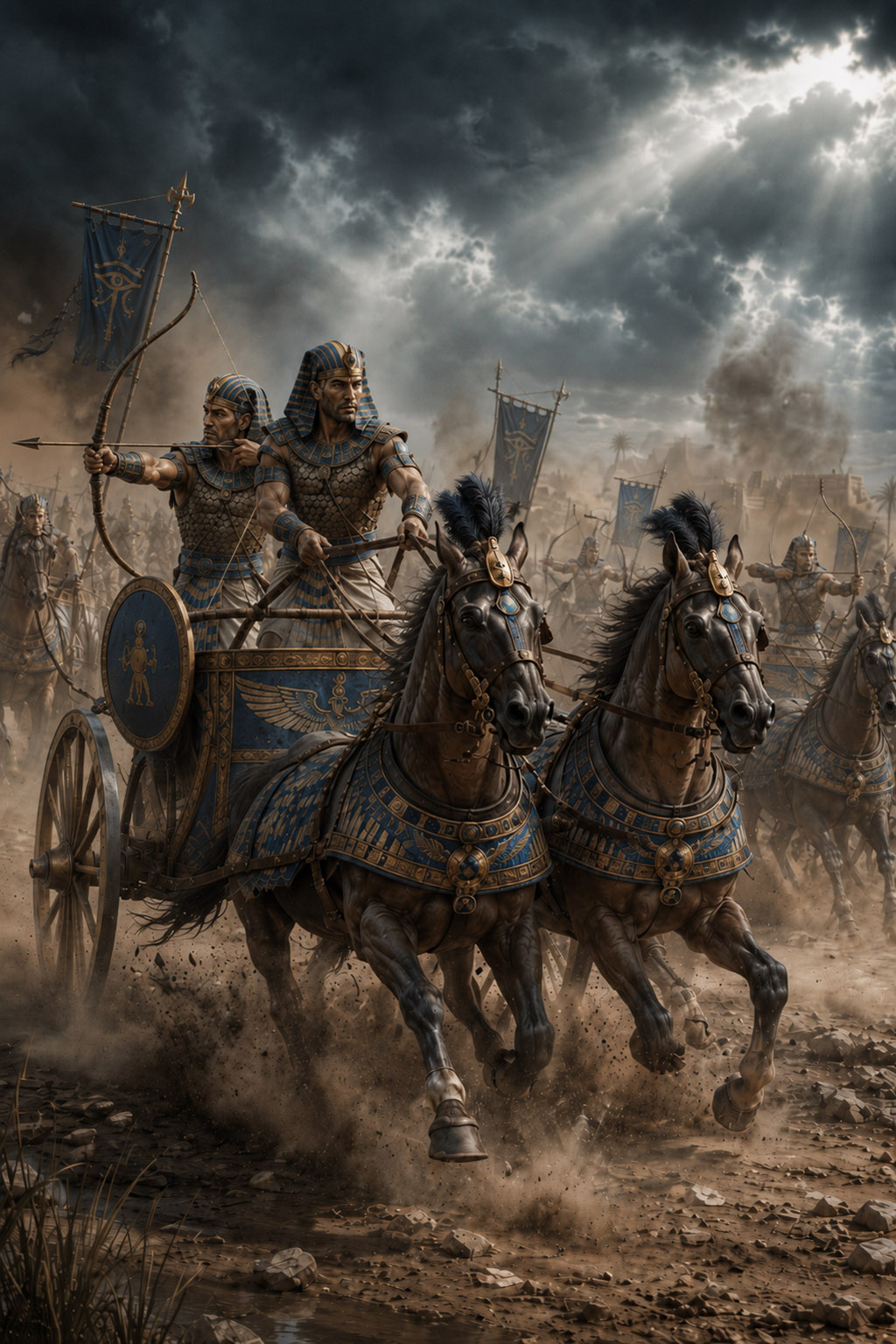
Egyptian Chariot Corps
New Kingdom Egypt fielded chariot forces that combined mobility, archery, command presence, and battlefield shock.
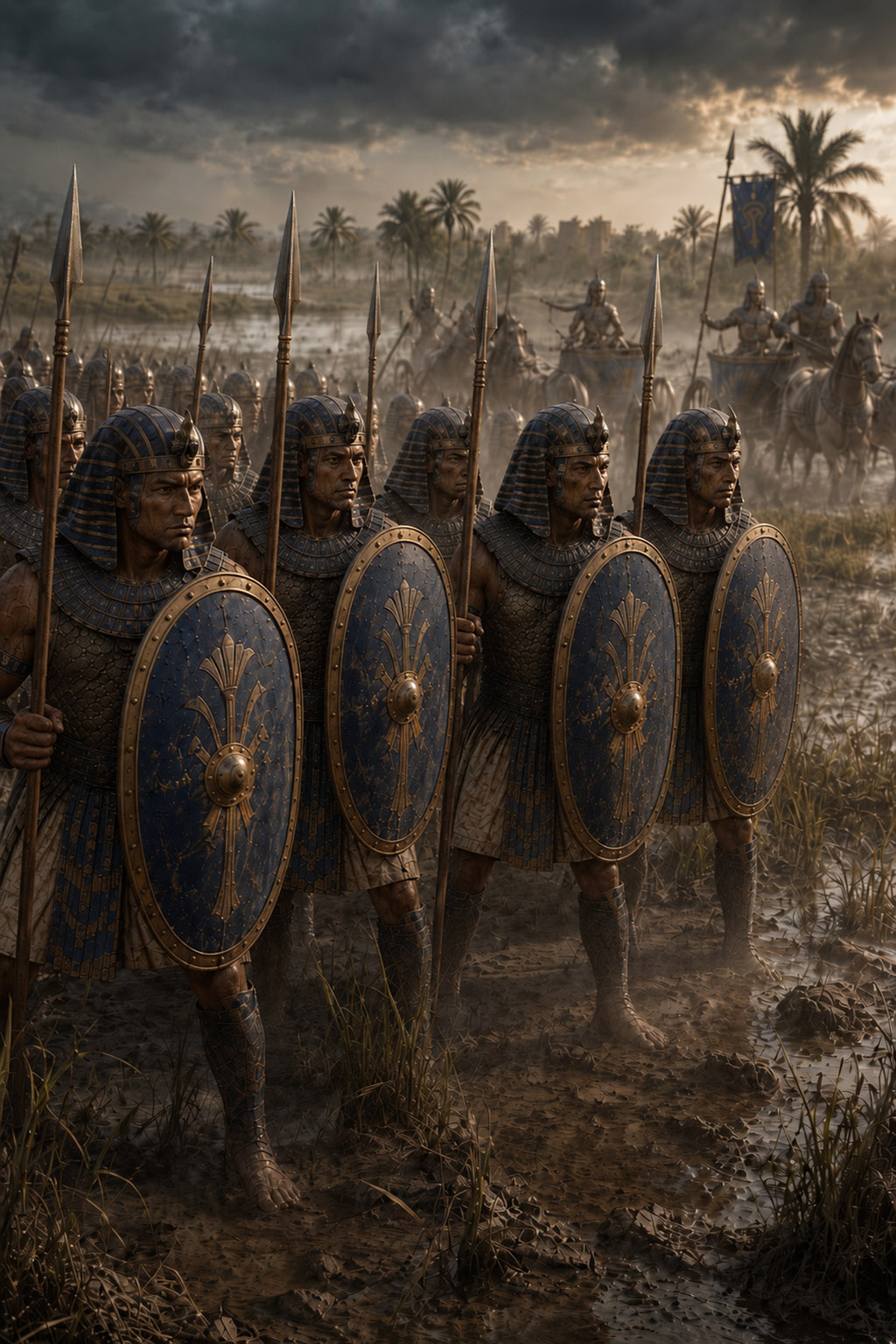
Nile Spearmen
Egyptian infantry often fought with spear and shield, especially when supporting chariots and defending formed lines.
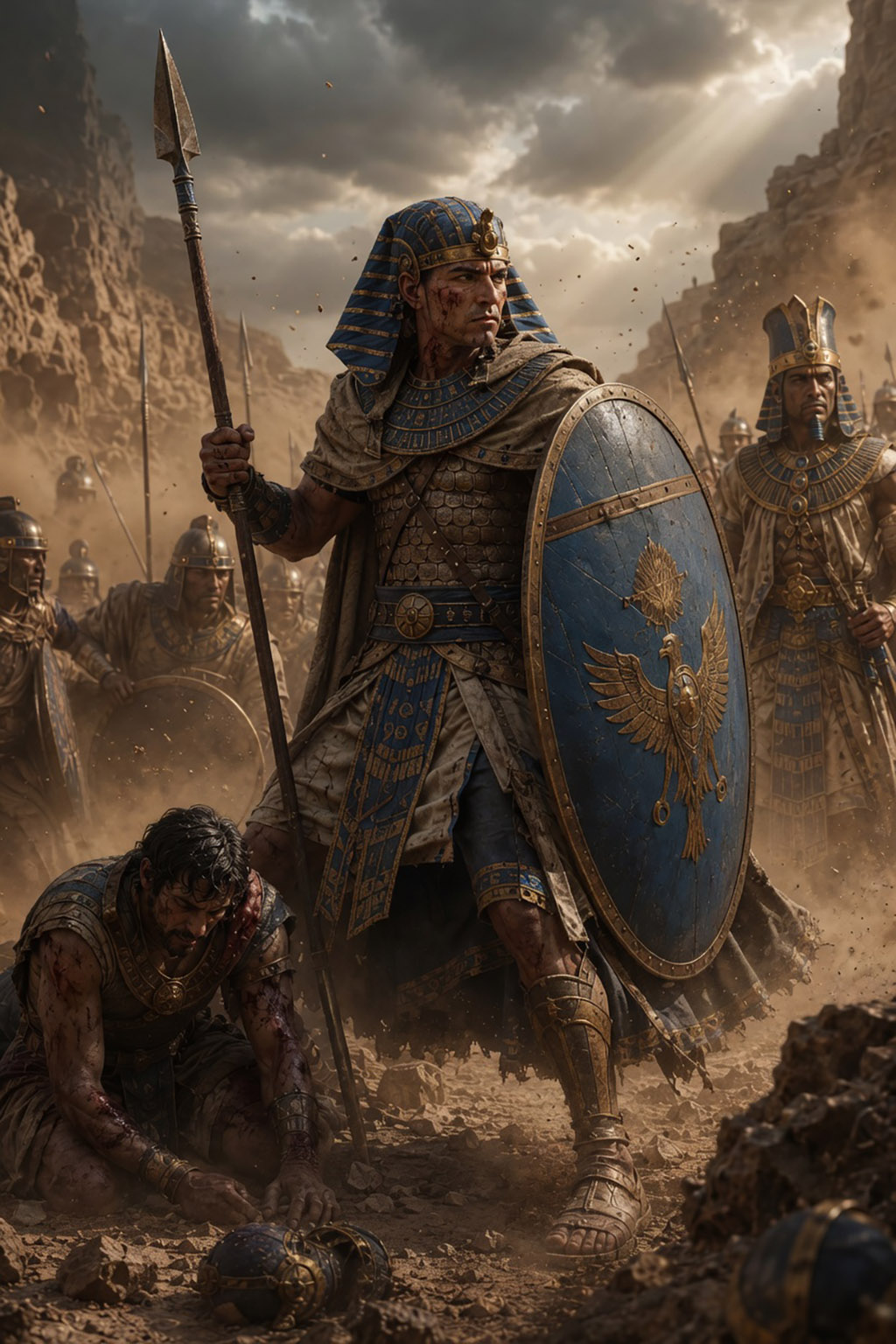
Medjay Guard
The Medjay were desert people who became associated in Egyptian service with policing, guarding, and protective duties.
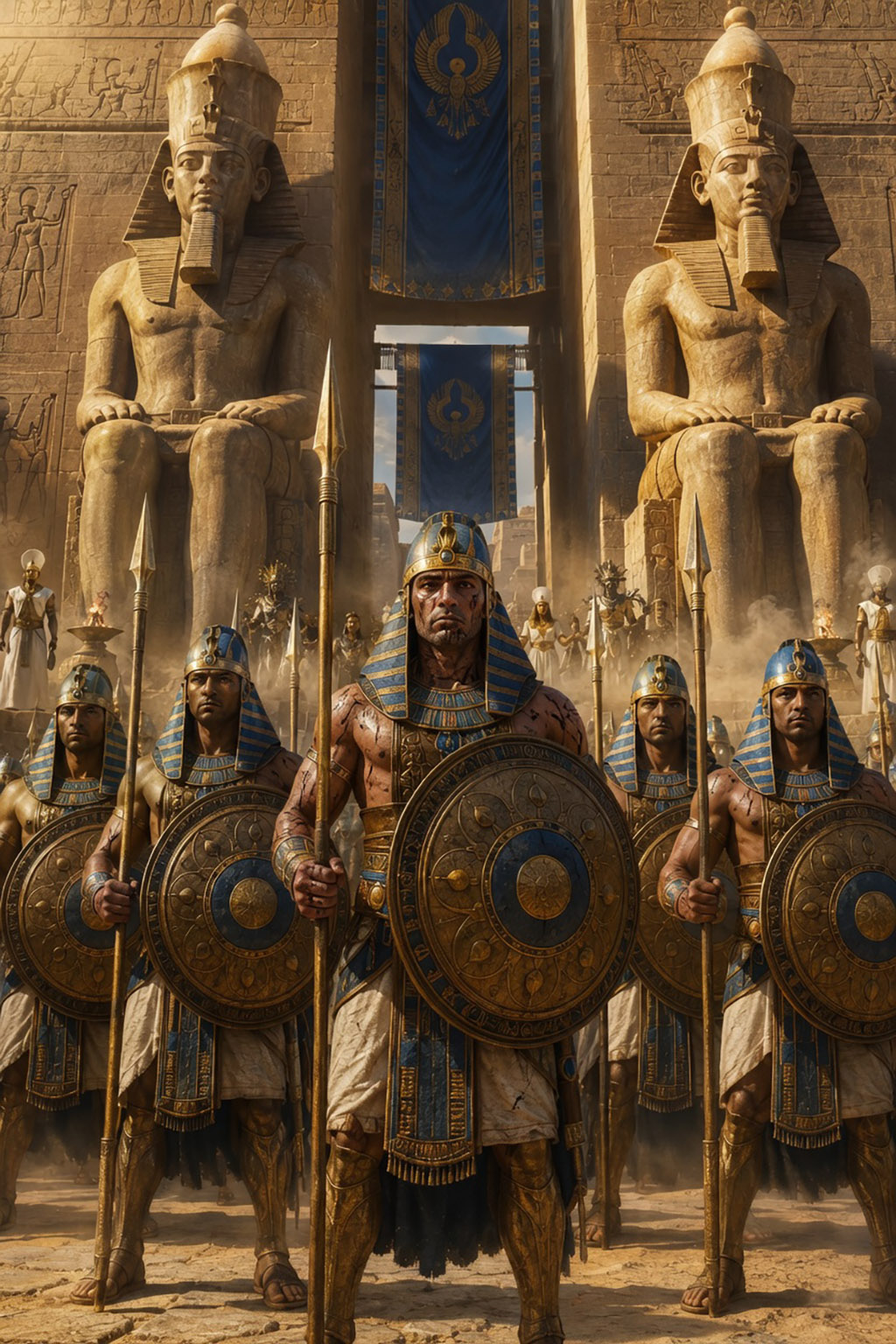
Temple Guard
Temples were major institutions in Egyptian society, and protected temple personnel could serve ceremonial and defensive roles.
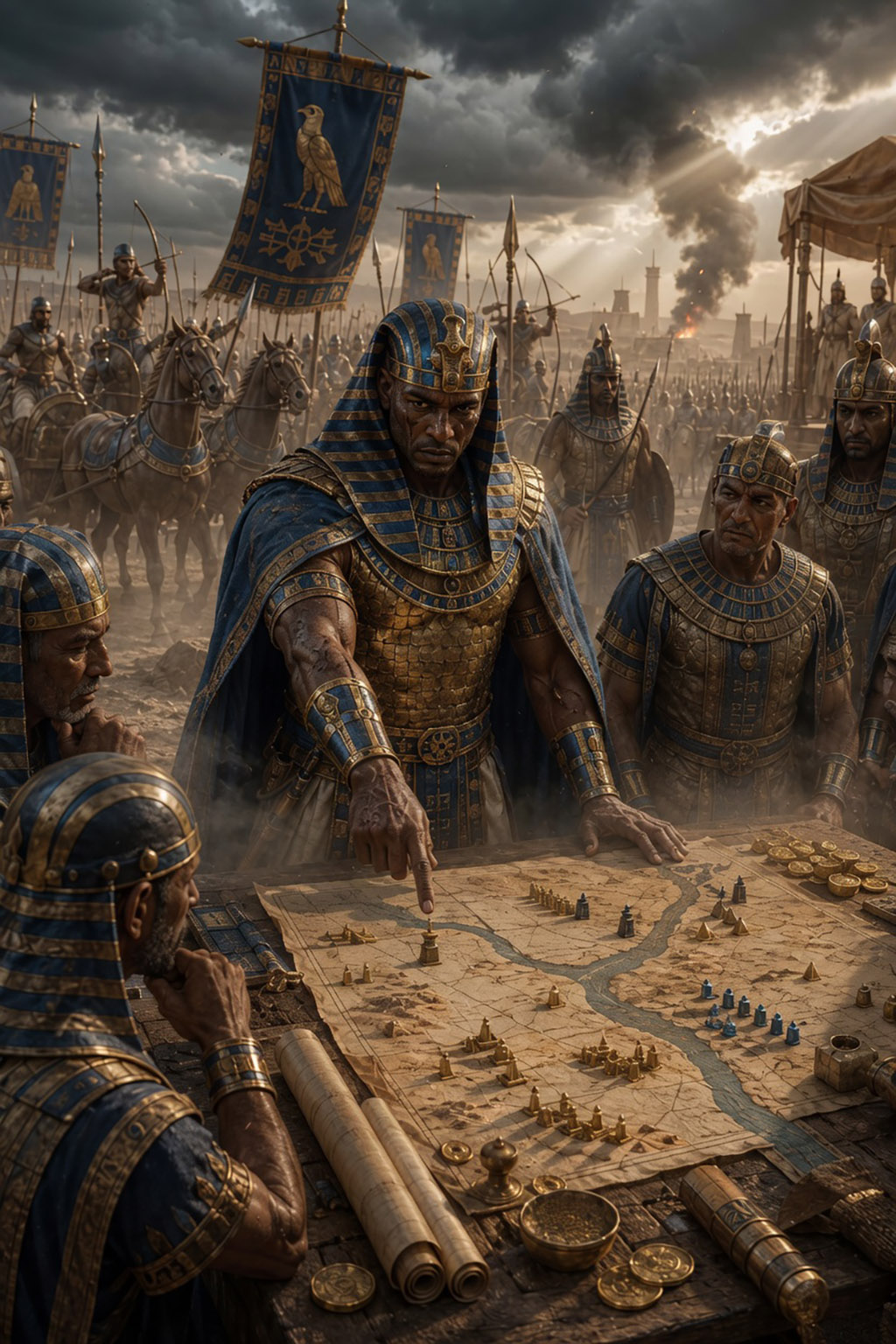
Pharaoh’s Commander
Royal commanders led field forces under the pharaoh and coordinated troops, chariots, and regional levies.
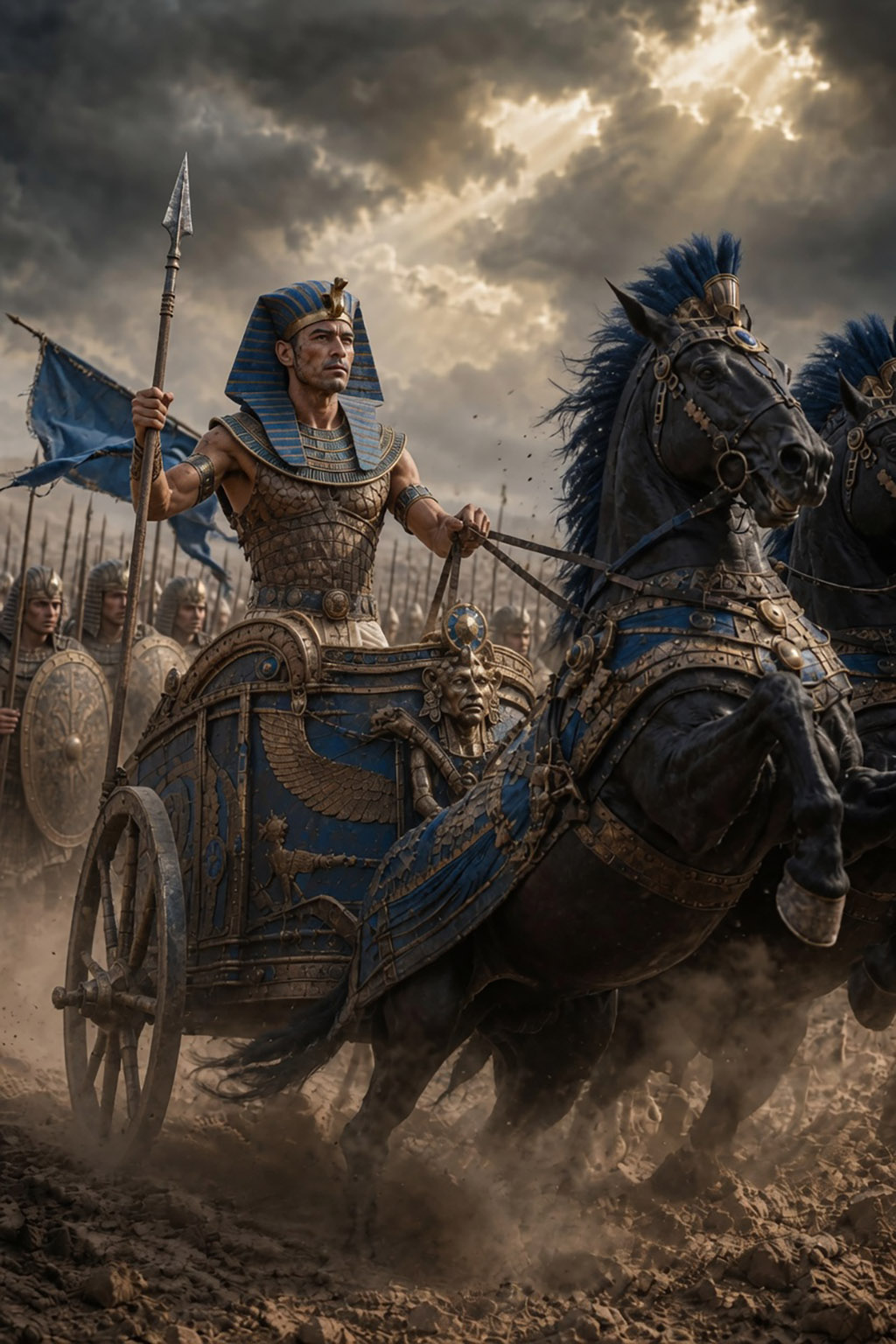
Ramesses, Lord of the Two Lands
Ramesses II was one of Egypt’s most celebrated pharaohs, known for monumental building, long rule, and the battle of Kadesh.
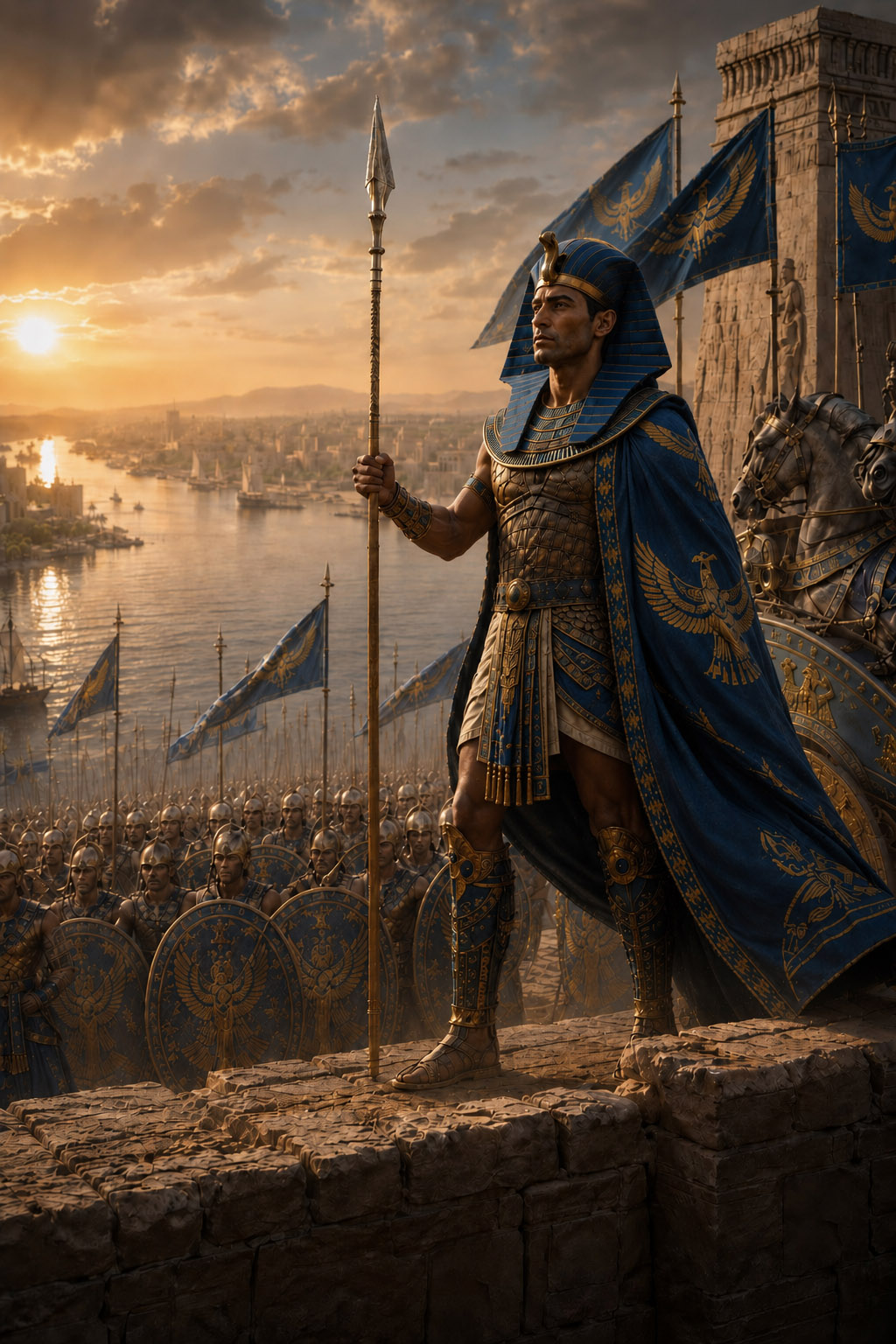
Ramesses, Guardian of the Nile
Ramesses II projected royal strength through control of the Nile system, monumental building, and the ideological protection of the Egyptian state.
Doctrines (6)
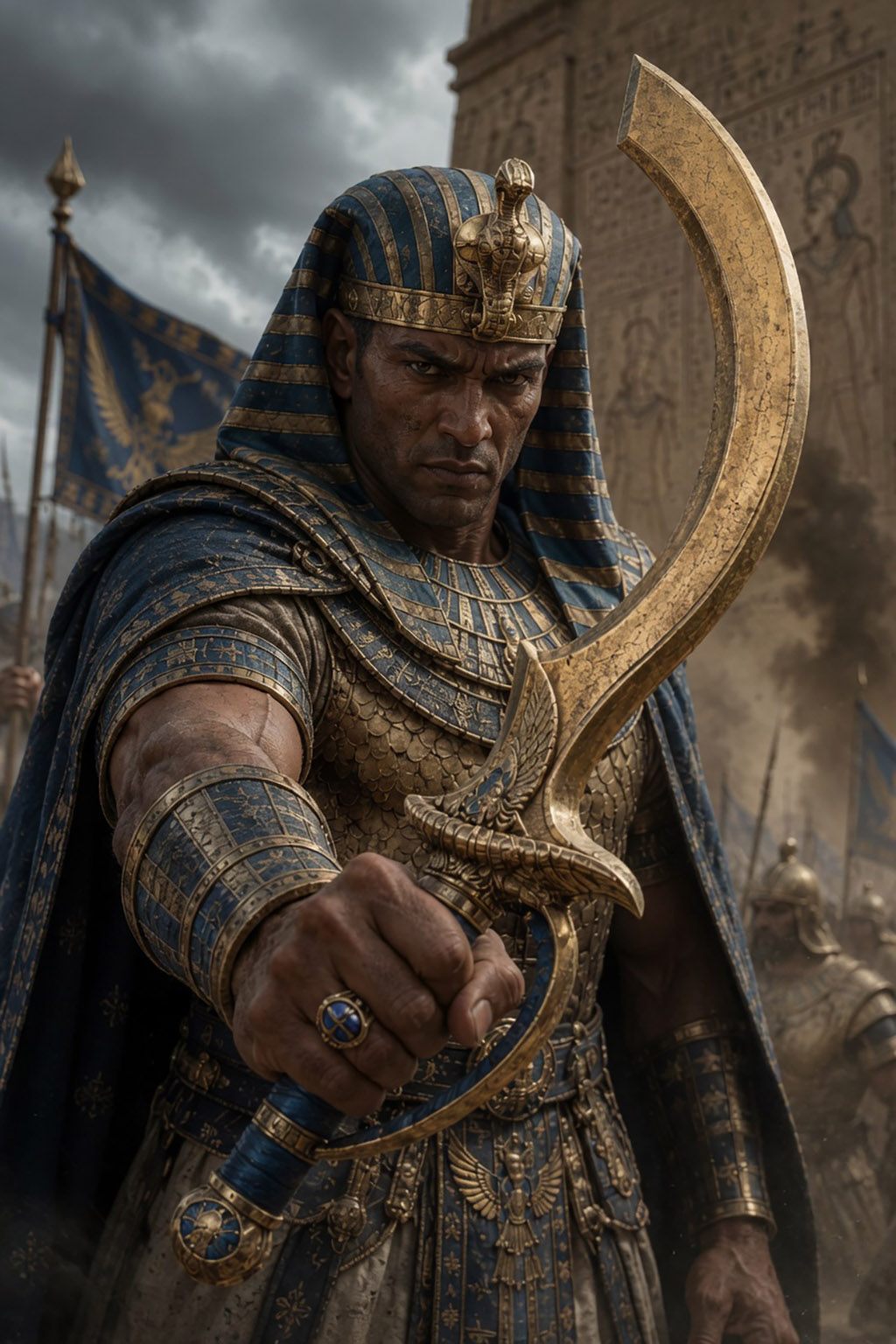
Bronze Khopesh
The khopesh was a distinctive sickle-shaped sword associated with the military culture of the Bronze Age Near East and Egypt.
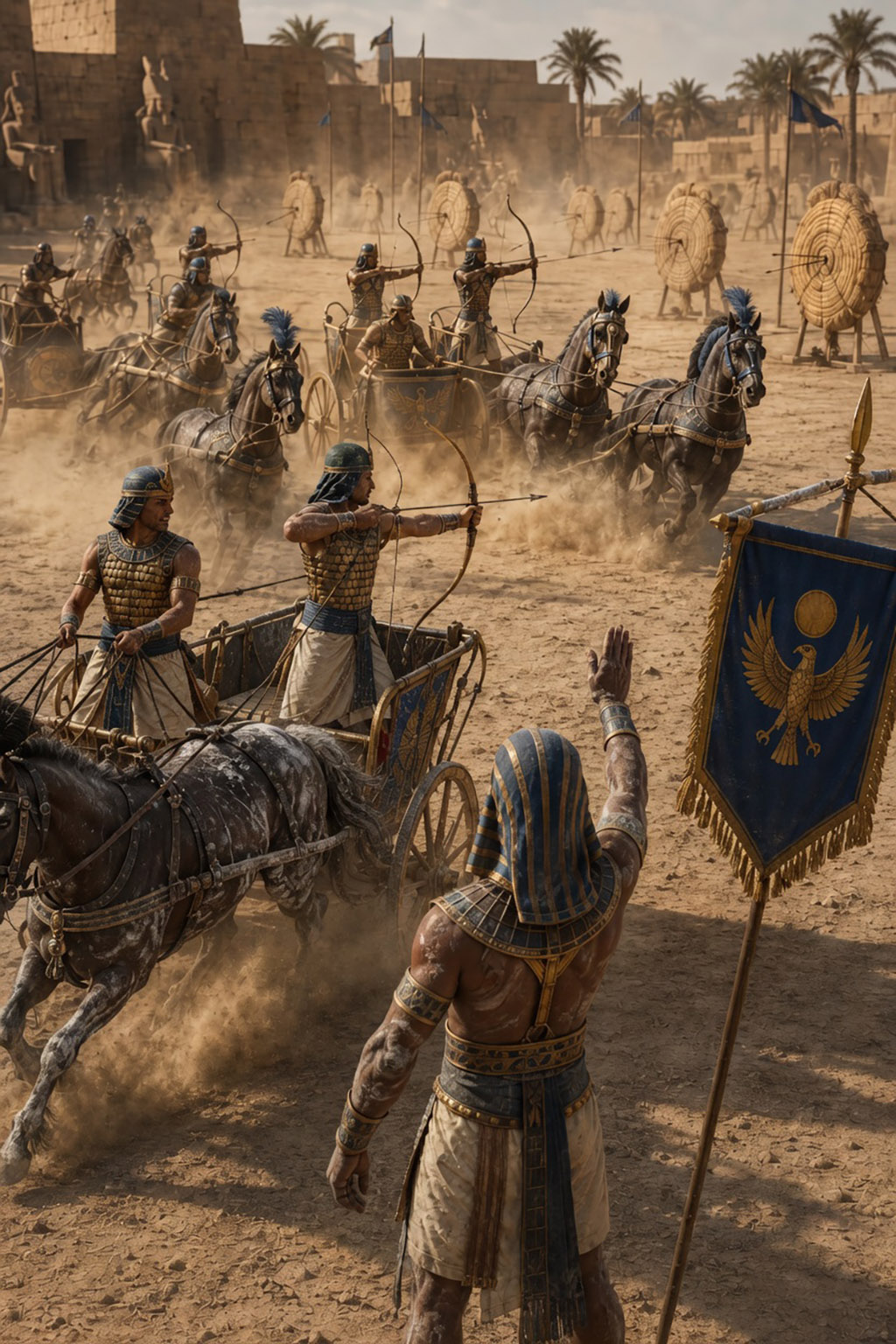
Chariot Drill
Egyptian chariot warfare depended on coordinated teams, practiced maneuvering, and disciplined use of speed and missiles.
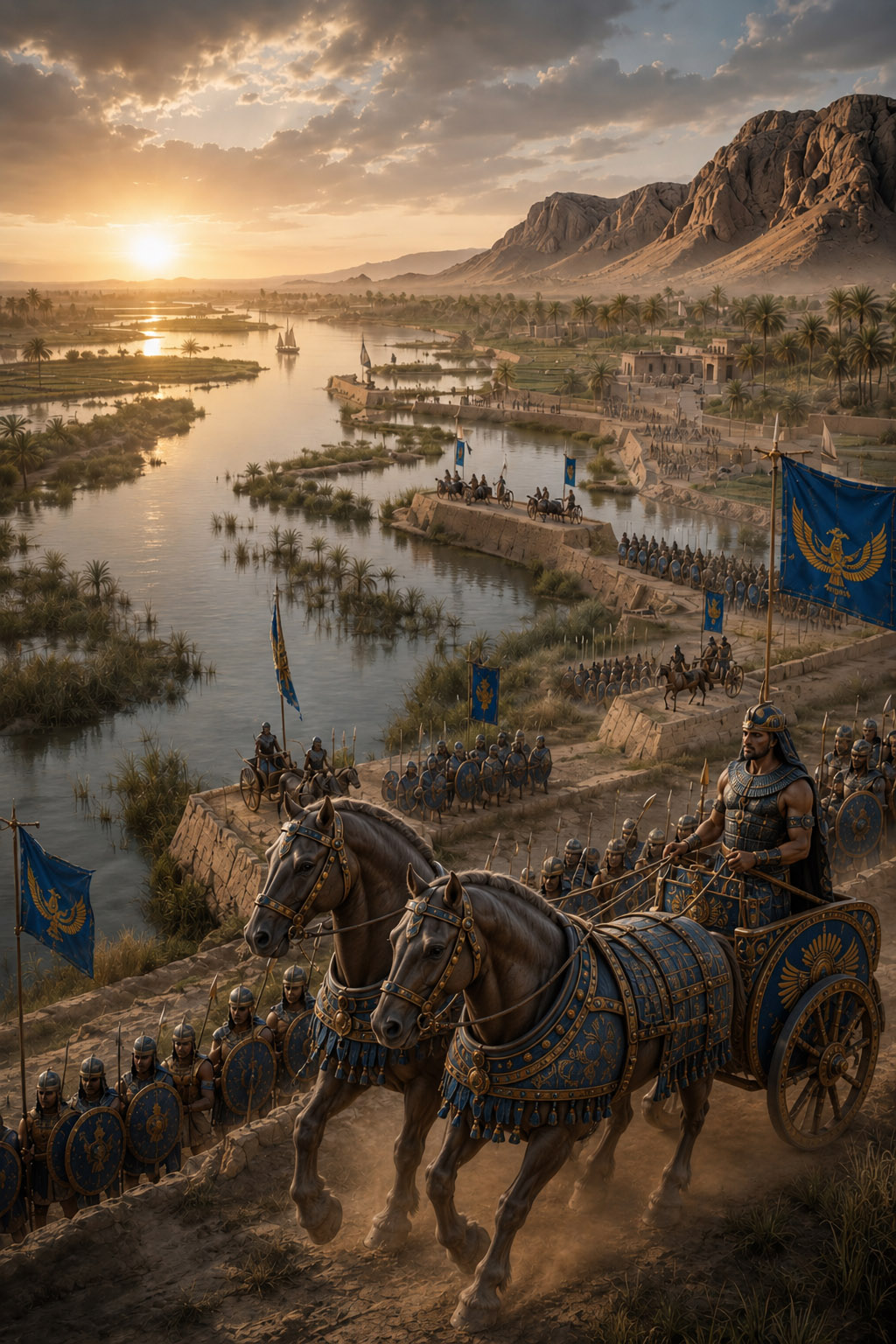
Floodplain of the Nile
The Nile floodplain sustained Egypt’s agriculture, manpower, wealth, and strategic settlement pattern.
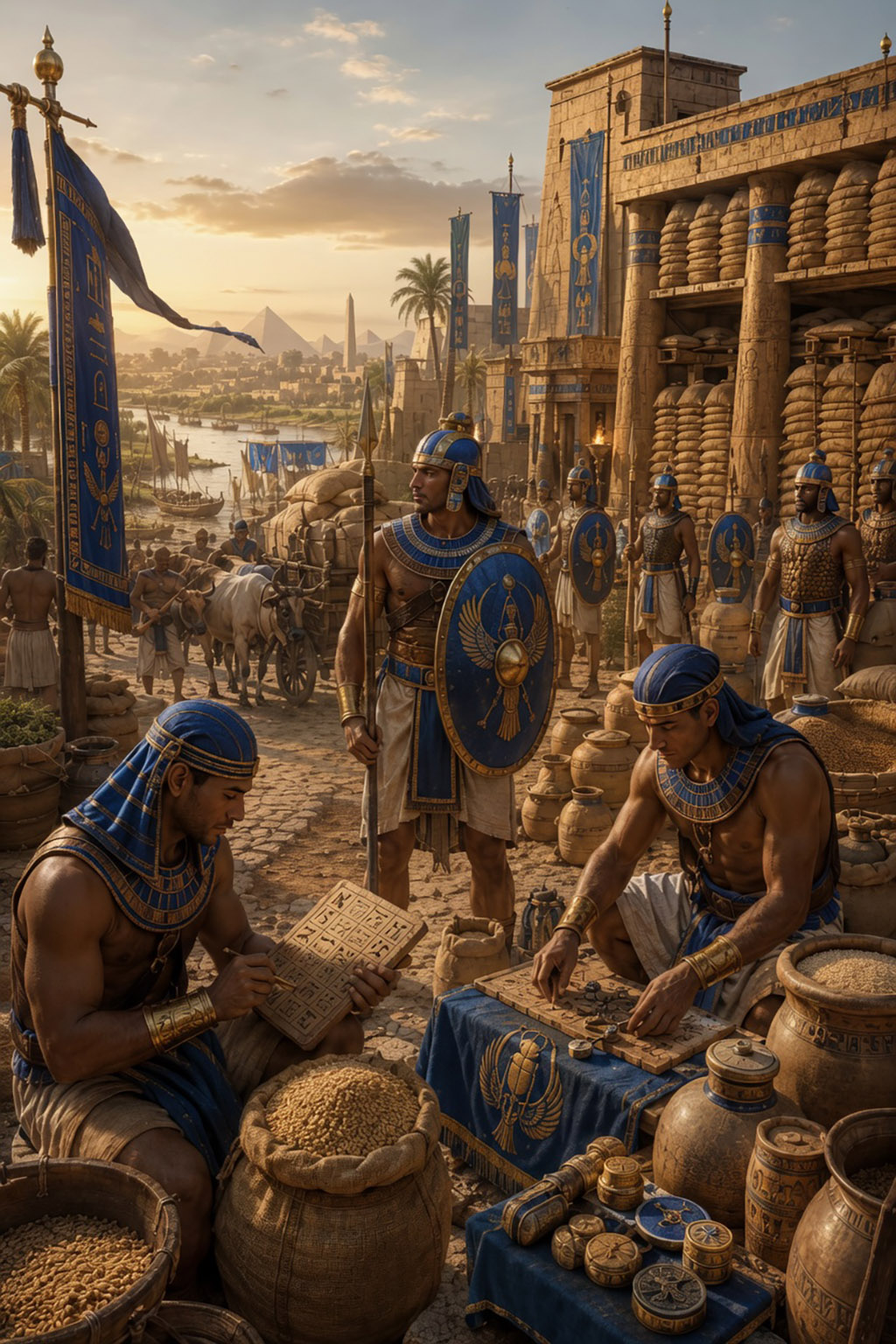
Granary Stores
State and temple granaries were central to Egyptian administration, taxation, and the sustenance of labor and armies.
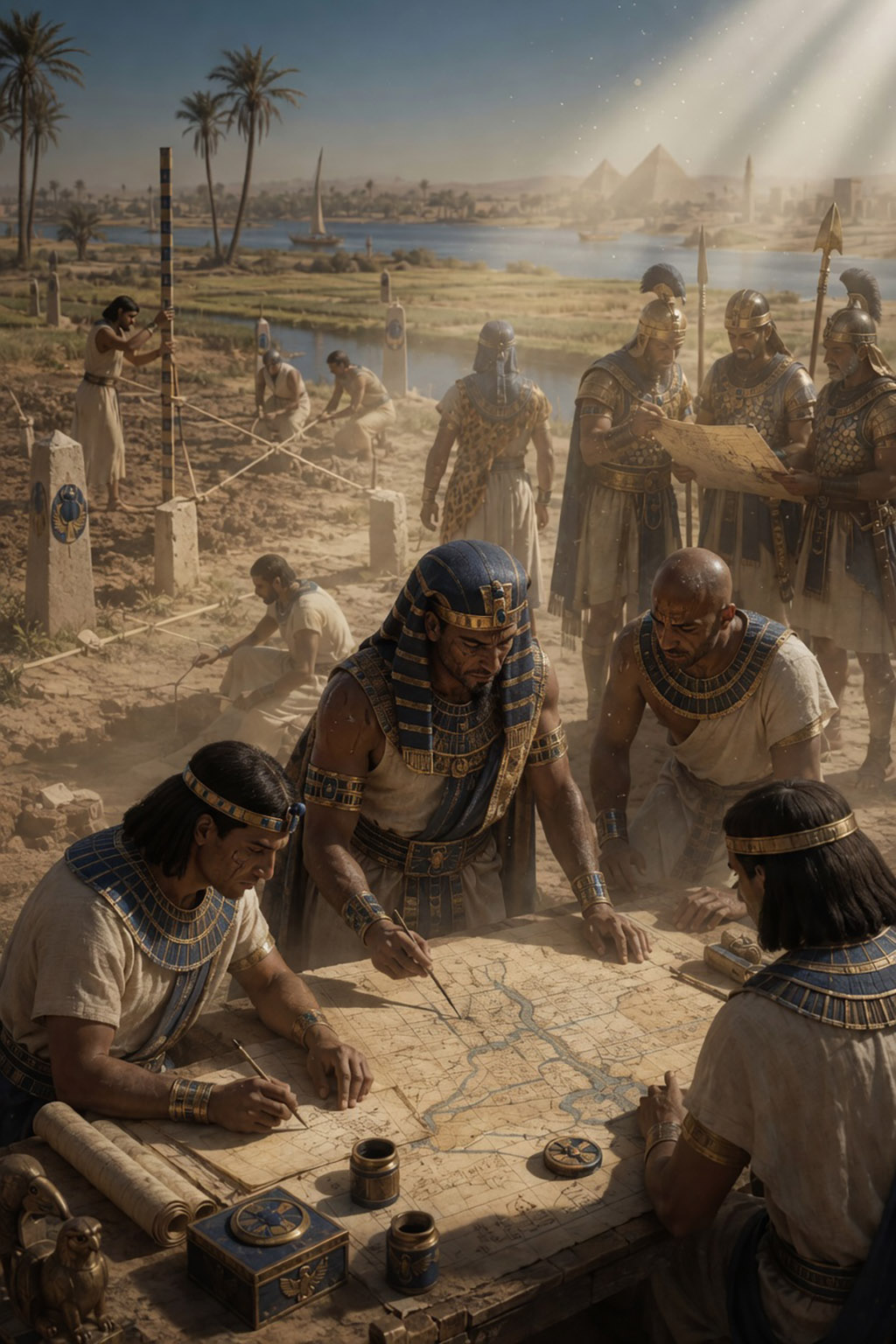
Royal Survey
Surveying land and resources was essential in Egypt for taxation, irrigation management, and royal administration.
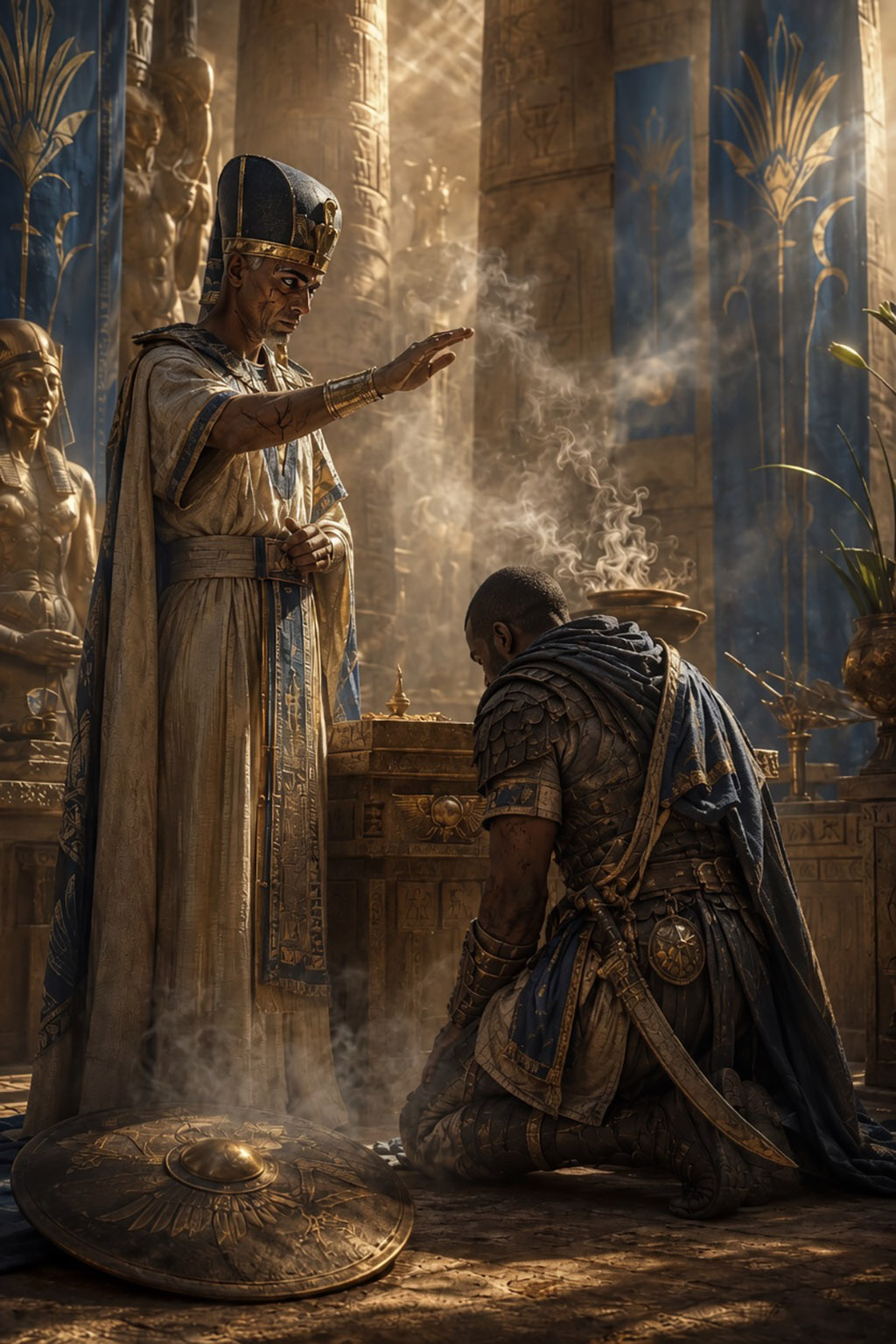
Temple Blessing
Egyptian kingship and war were closely linked to divine favor, ritual legitimacy, and temple support.
Tactics (5)
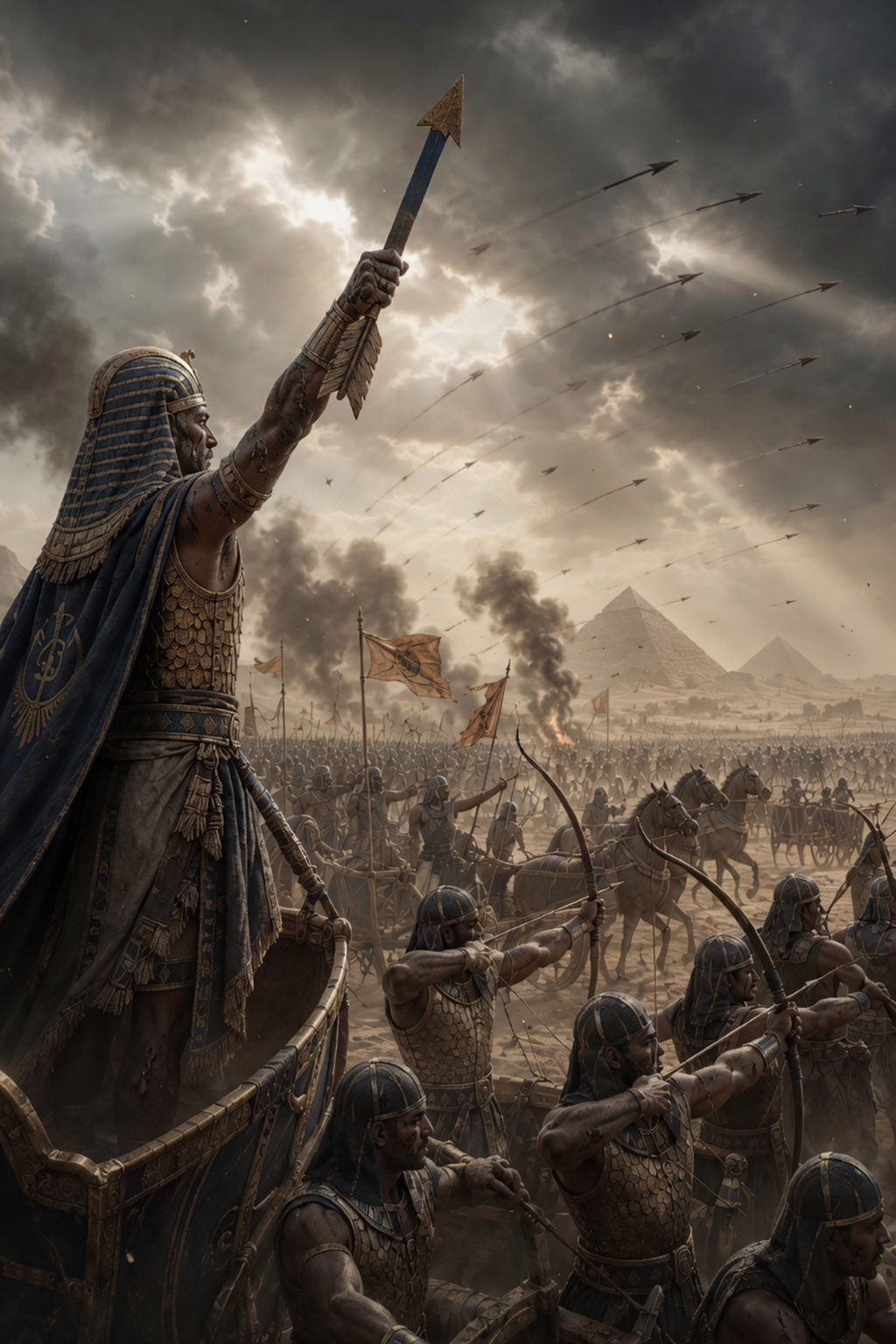
Arrow Signal
Visual signals, including missile cues, could help coordinate timing and movement between different arms.
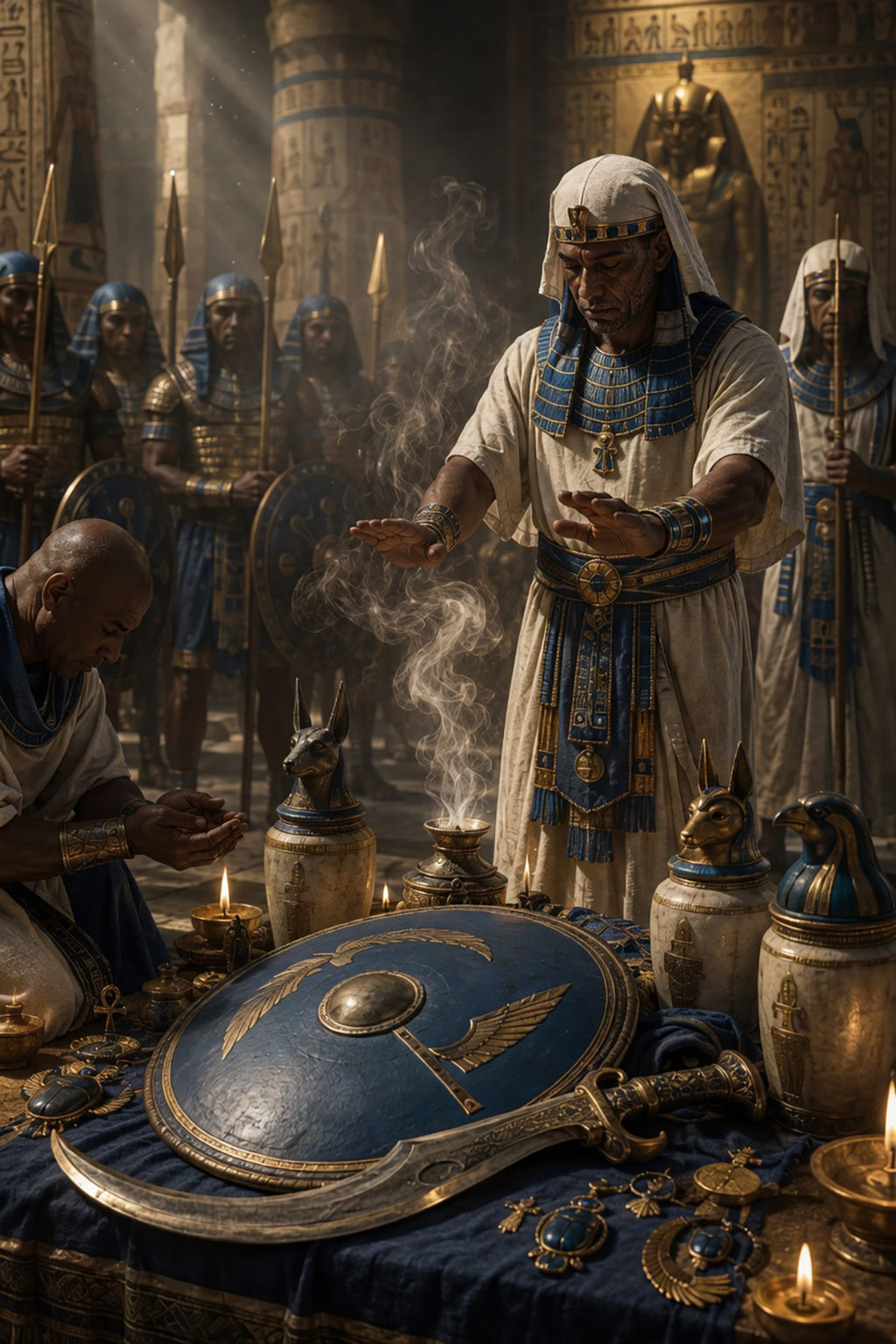
Funeral Rites
Egyptian funerary ritual reflected deeply rooted beliefs about death, kingship, memory, and the afterlife.
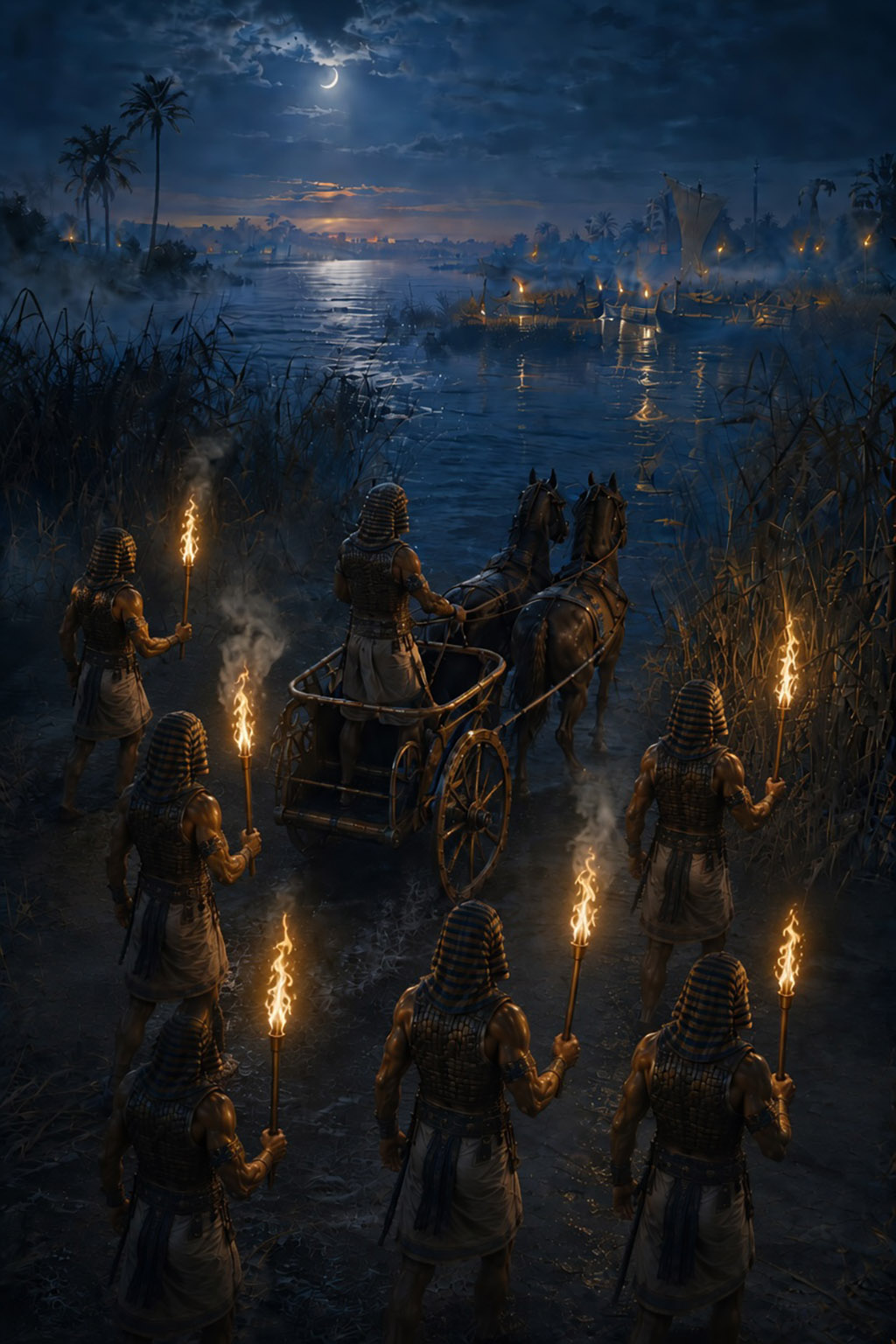
Hidden Channel
Hidden waterways and channels of the Nile system shaped movement, supply, and tactical possibilities in Egypt.
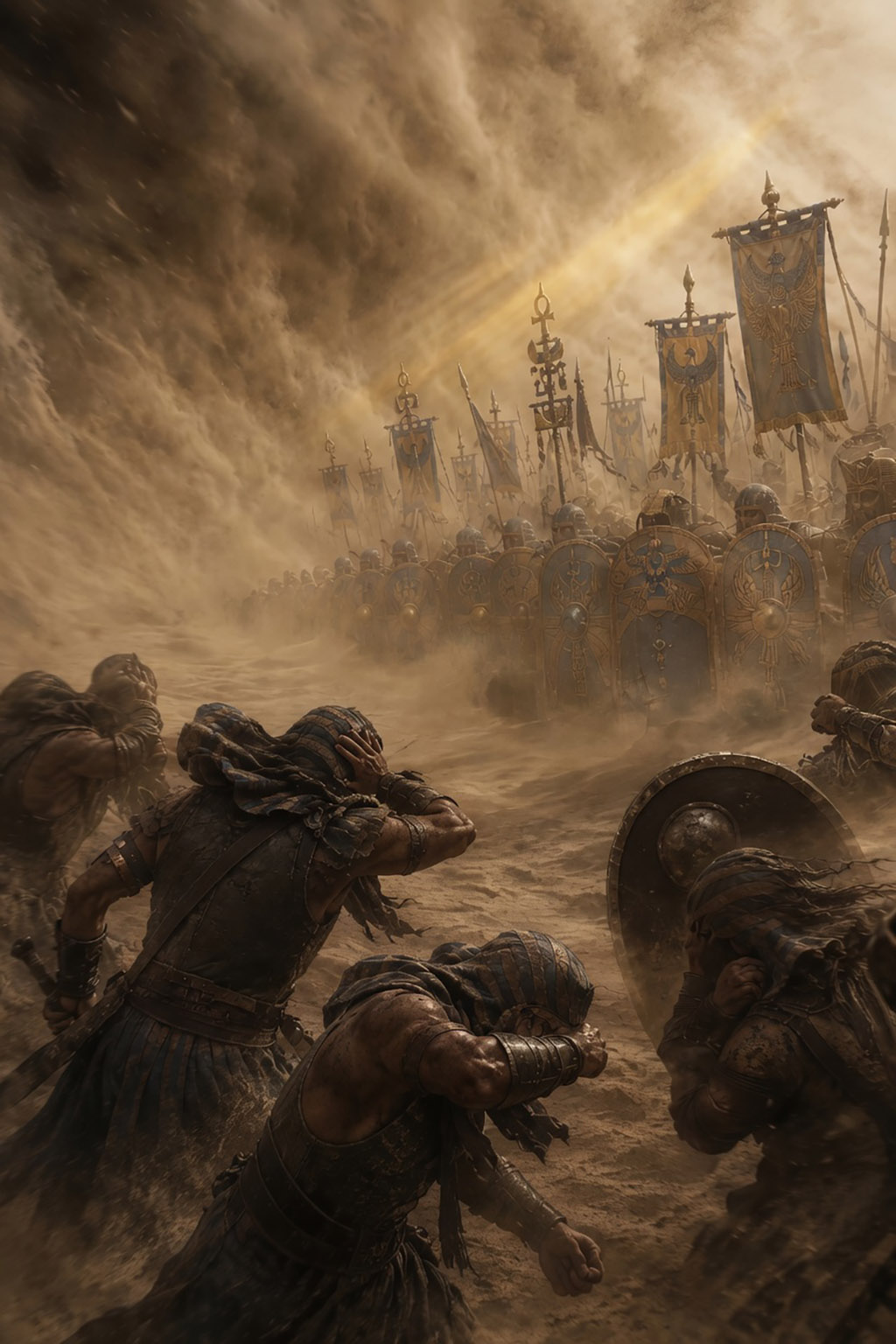
Sandstorm Screen
Blowing sand and reduced visibility could disrupt missile fire, conceal movement, and complicate battlefield command.
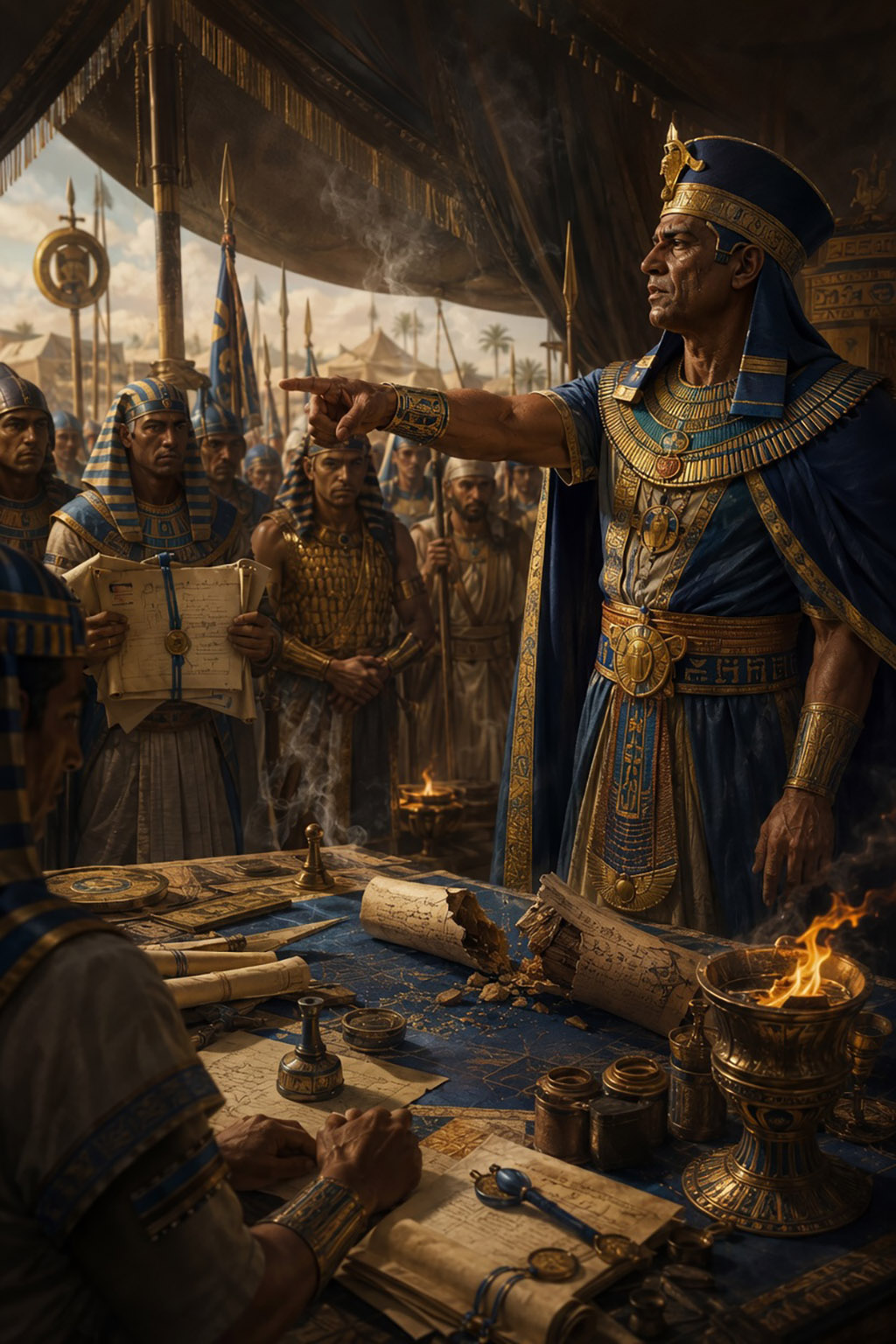
Vizier’s Command
The vizier was the pharaoh’s chief official and played a central role in administration, justice, and state coordination.