Aggressive terrain warfare, anti-defense pressure, ambushes, and rugged tribal resilience.
Playstyle: Dacia wins by turning terrain into momentum, punishing defensive setups, and striking hard at vulnerable points.
- Strong pressure against Defense Position units
- Excellent use of terrain and hill-fort style bonuses
- Explosive battle tricks and retaliation tools
Balance Focus: Retuned around Falxmen pressure, terrain warfare, and attack-position punishment.
Units (9)
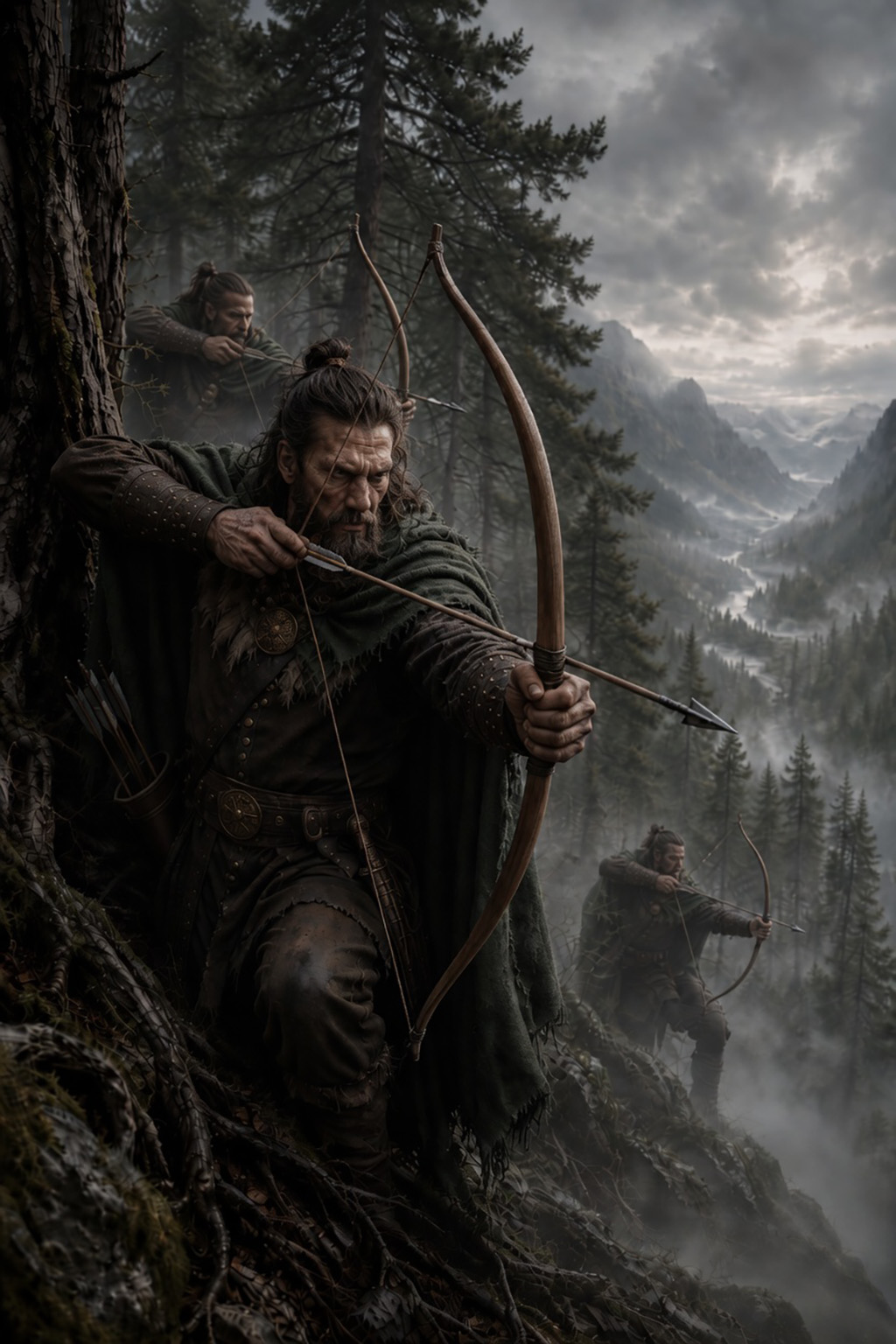
Dacian Archers
Archery was part of Dacian warfare, complementing hill fighting, ambush, and mixed tribal forces.
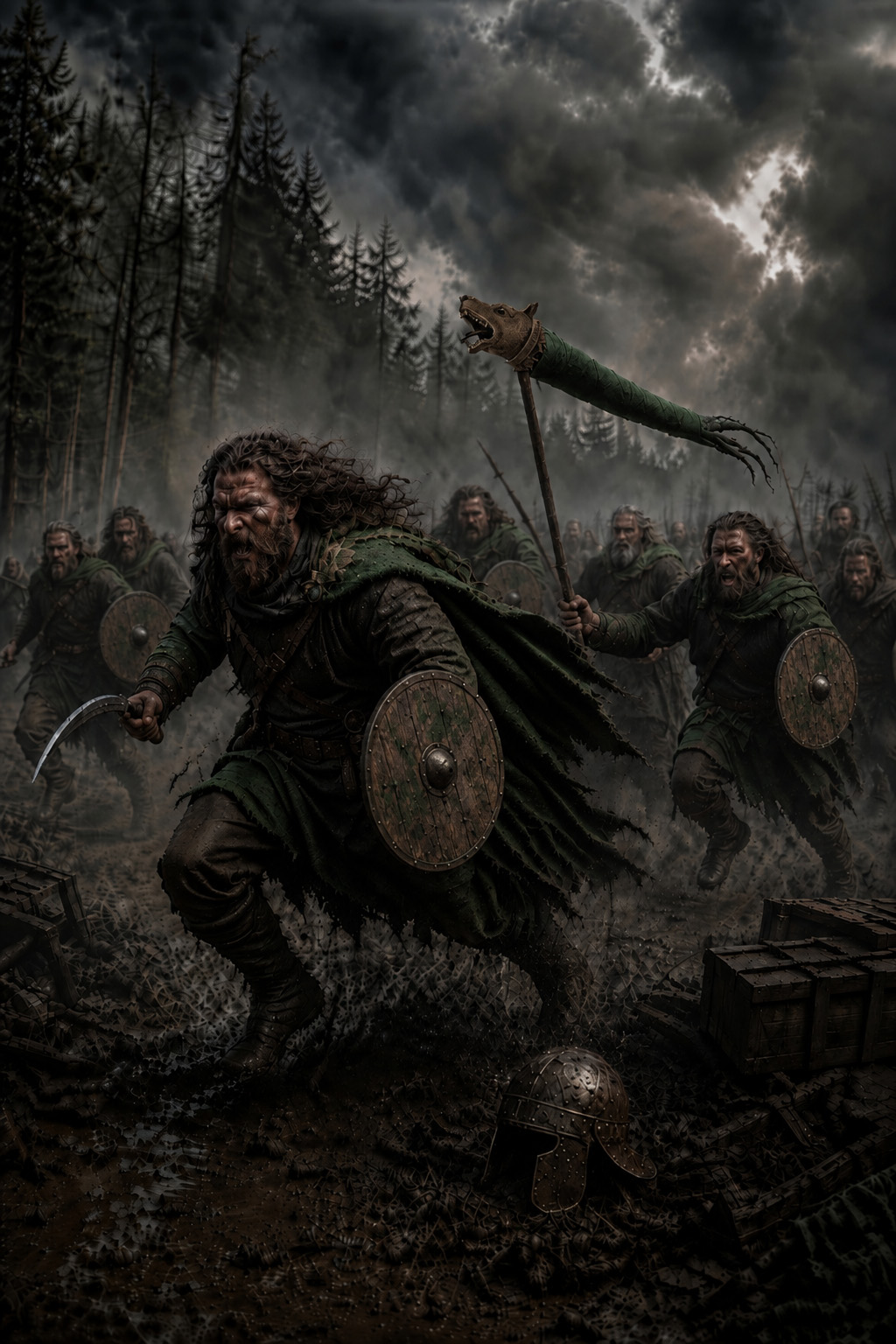
Comati Raiders
The comati were common Dacians, distinct from the aristocratic tarabostes, and provided much of the kingdom’s manpower.
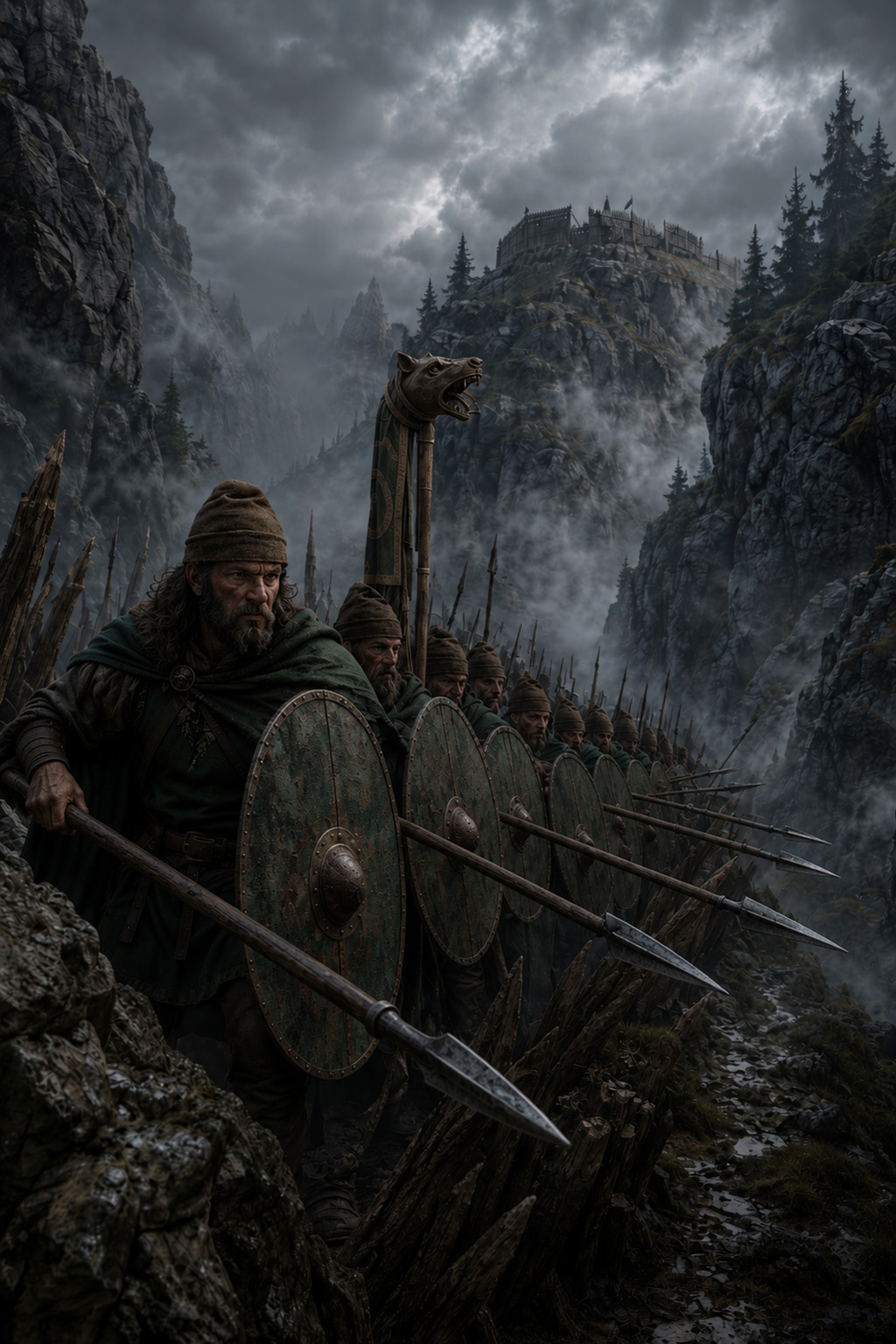
Hill Spearmen
Dacian infantry often fought from rugged uplands where spearmen and locally raised troops could exploit terrain.
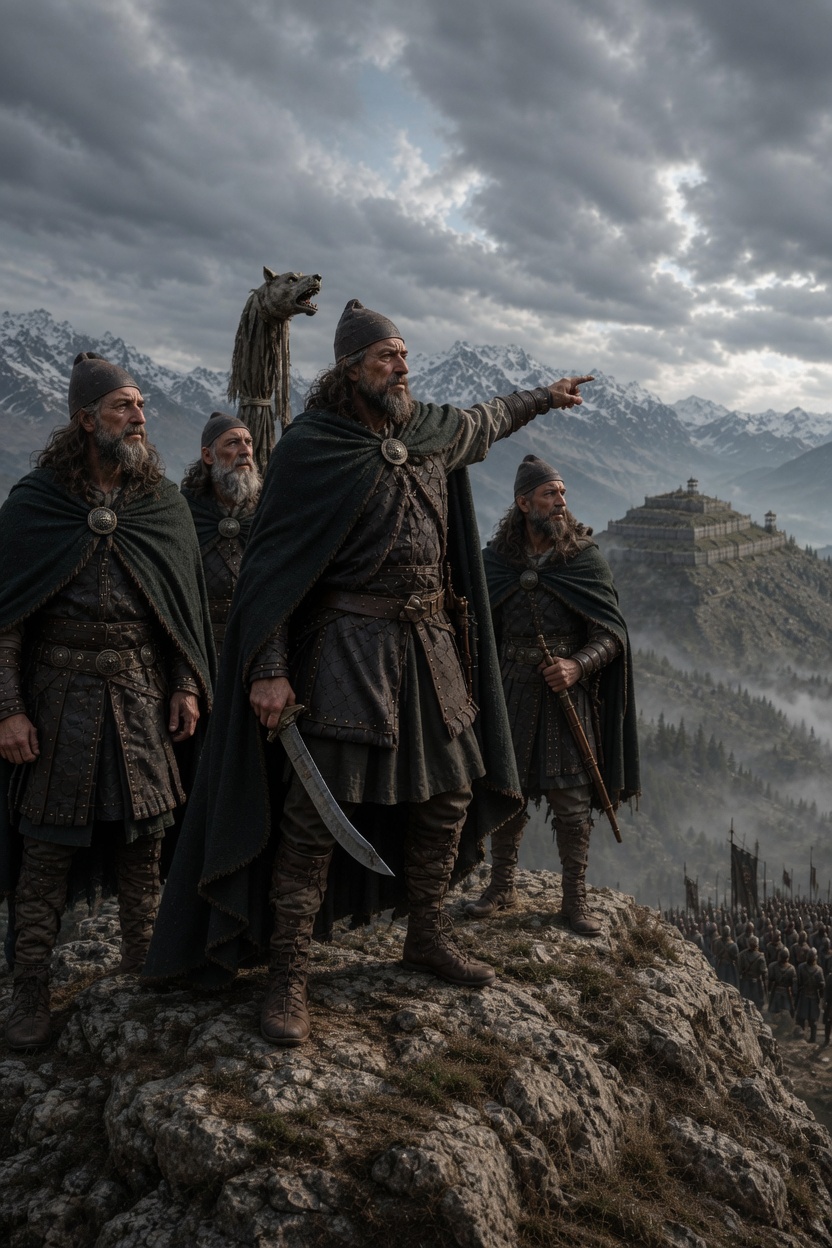
Tarabostes Nobles
The tarabostes were the Dacian noble class and held high status in war, leadership, and tribal society.
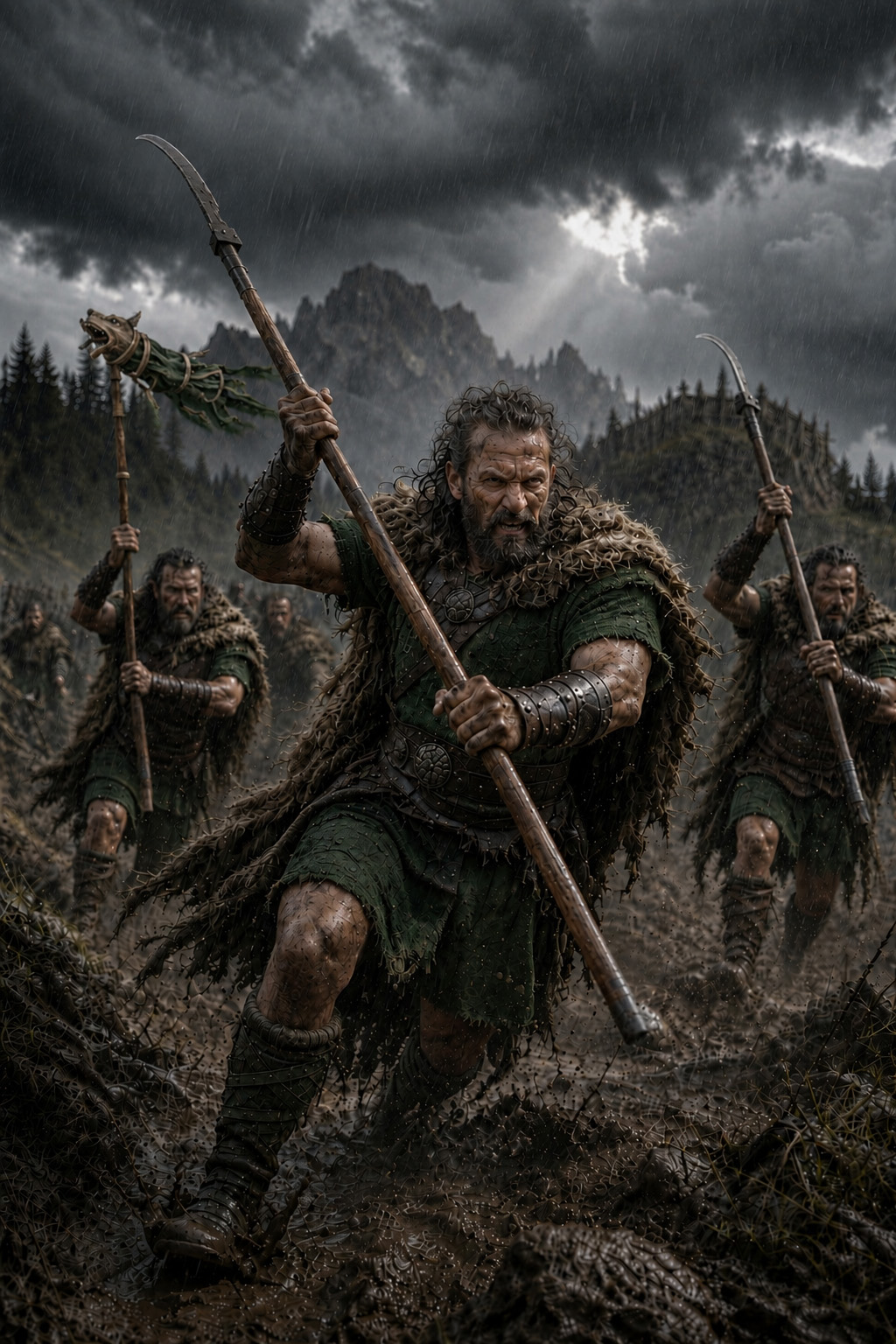
Falx Warriors
Dacian falxmen were known for the falx, a curved blade suited to powerful chopping blows against men and equipment.
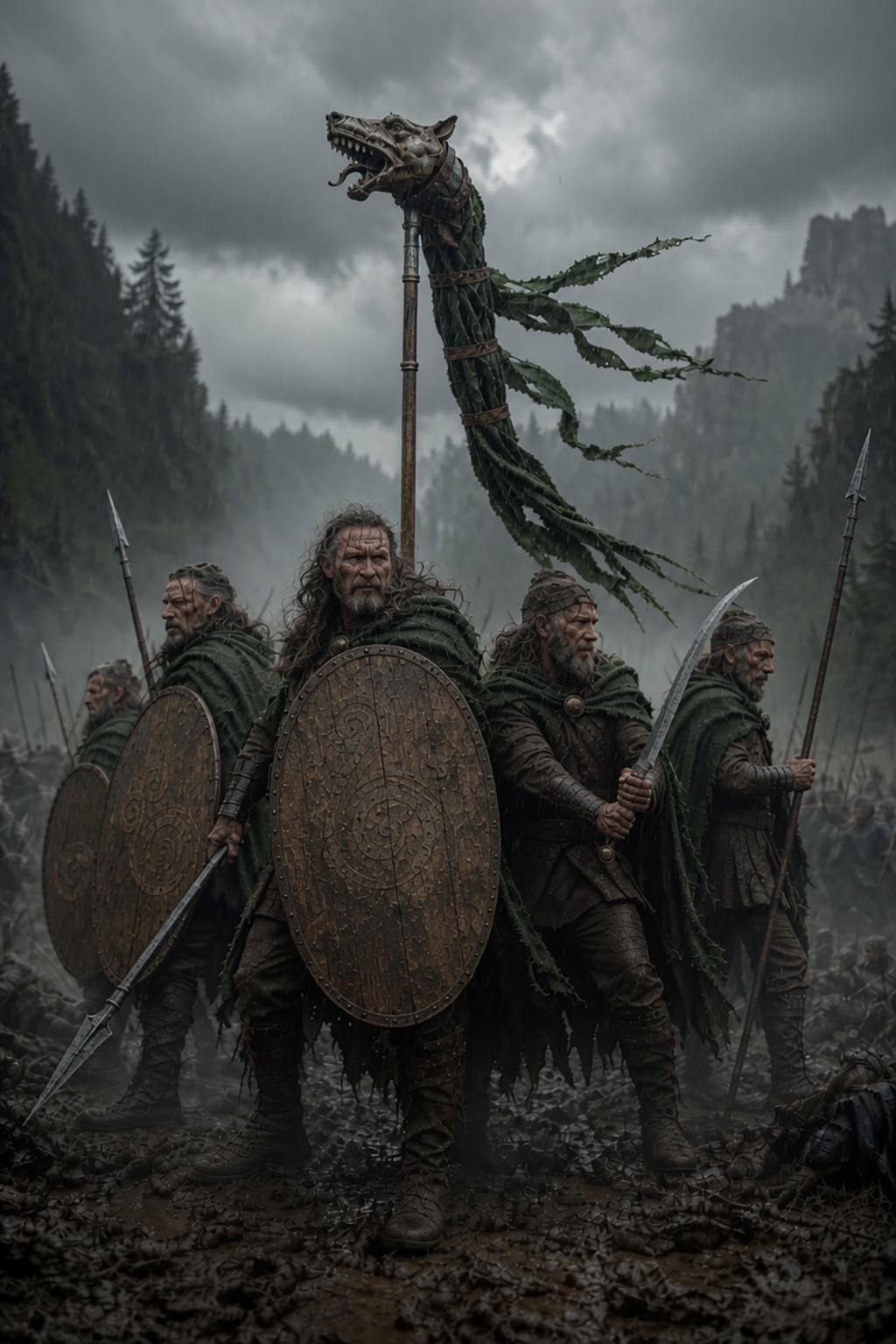
Wolf Banner Guard
The draco or wolf-dragon standard became a well-known symbol associated with Dacian and related warrior traditions.
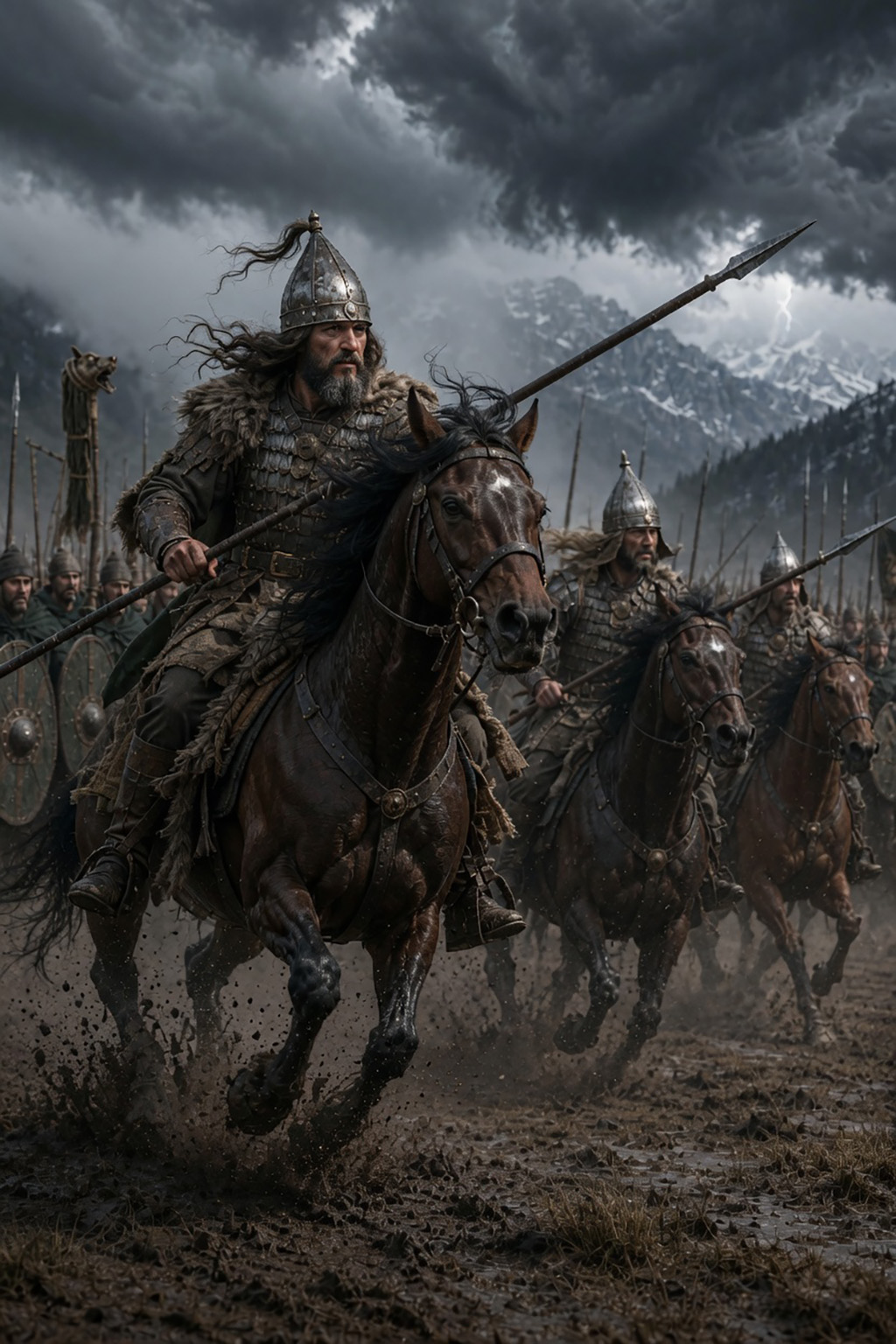
Sarmatian Allies
Dacian rulers could cooperate with Sarmatian mounted groups, bringing highly mobile allied cavalry into war.
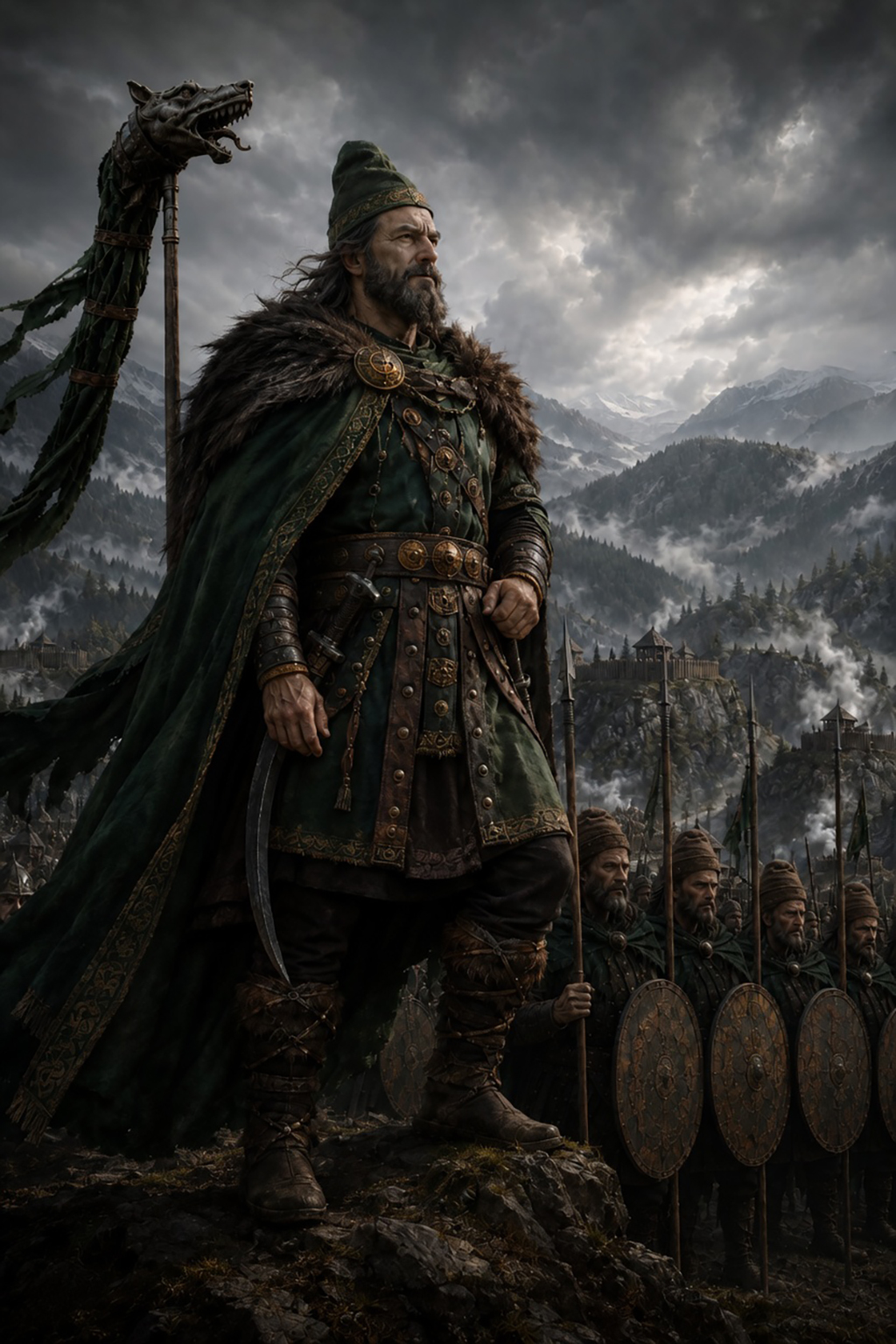
Decebalus, King of Dacia
Decebalus was the last great king of Dacia and the principal opponent of Emperor Trajan in the Dacian Wars.
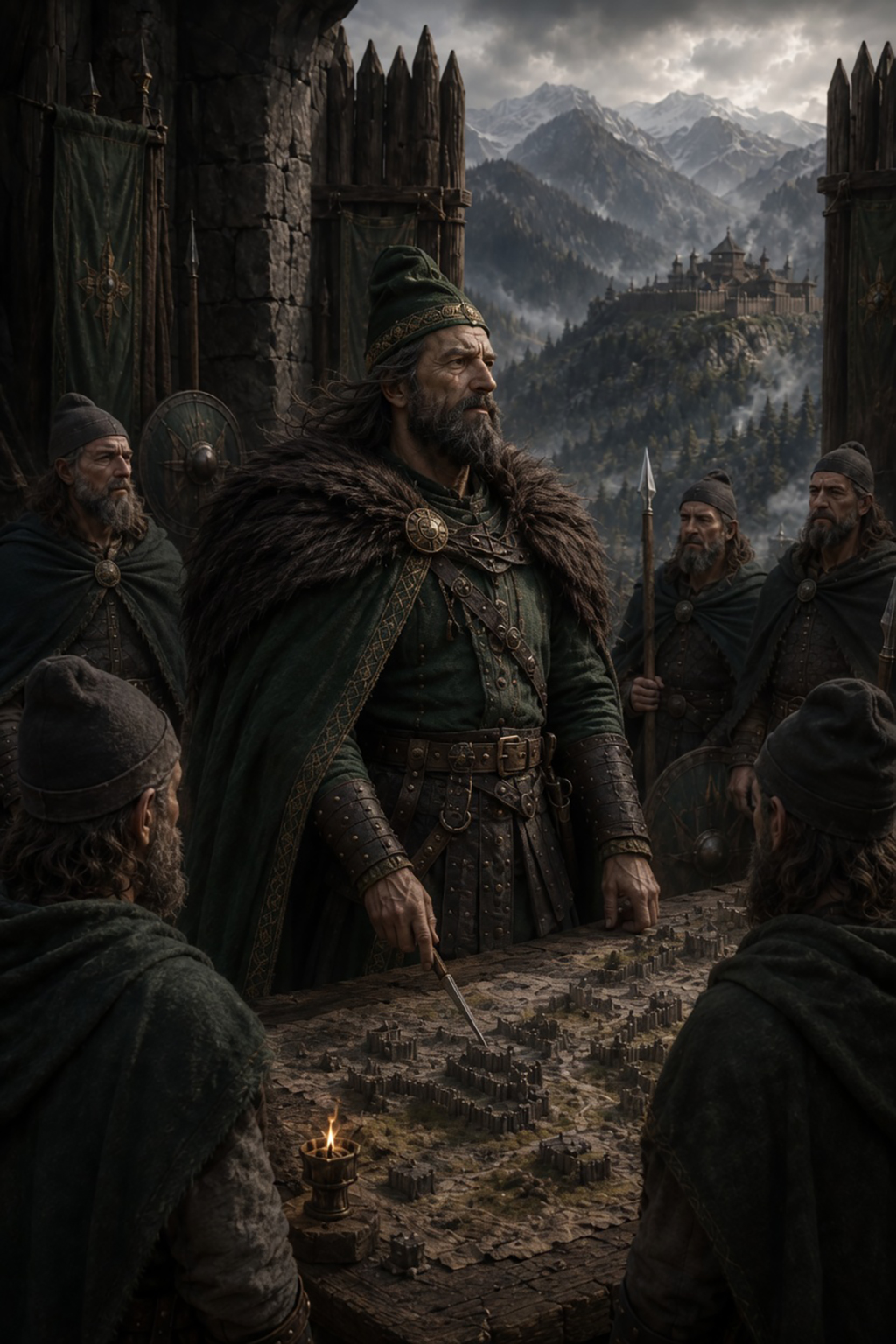
Decebalus, Keeper of the Hill Forts
Decebalus relied on fortified uplands, local geography, and resilient tribal resistance in his struggle against Rome.
Doctrines (6)
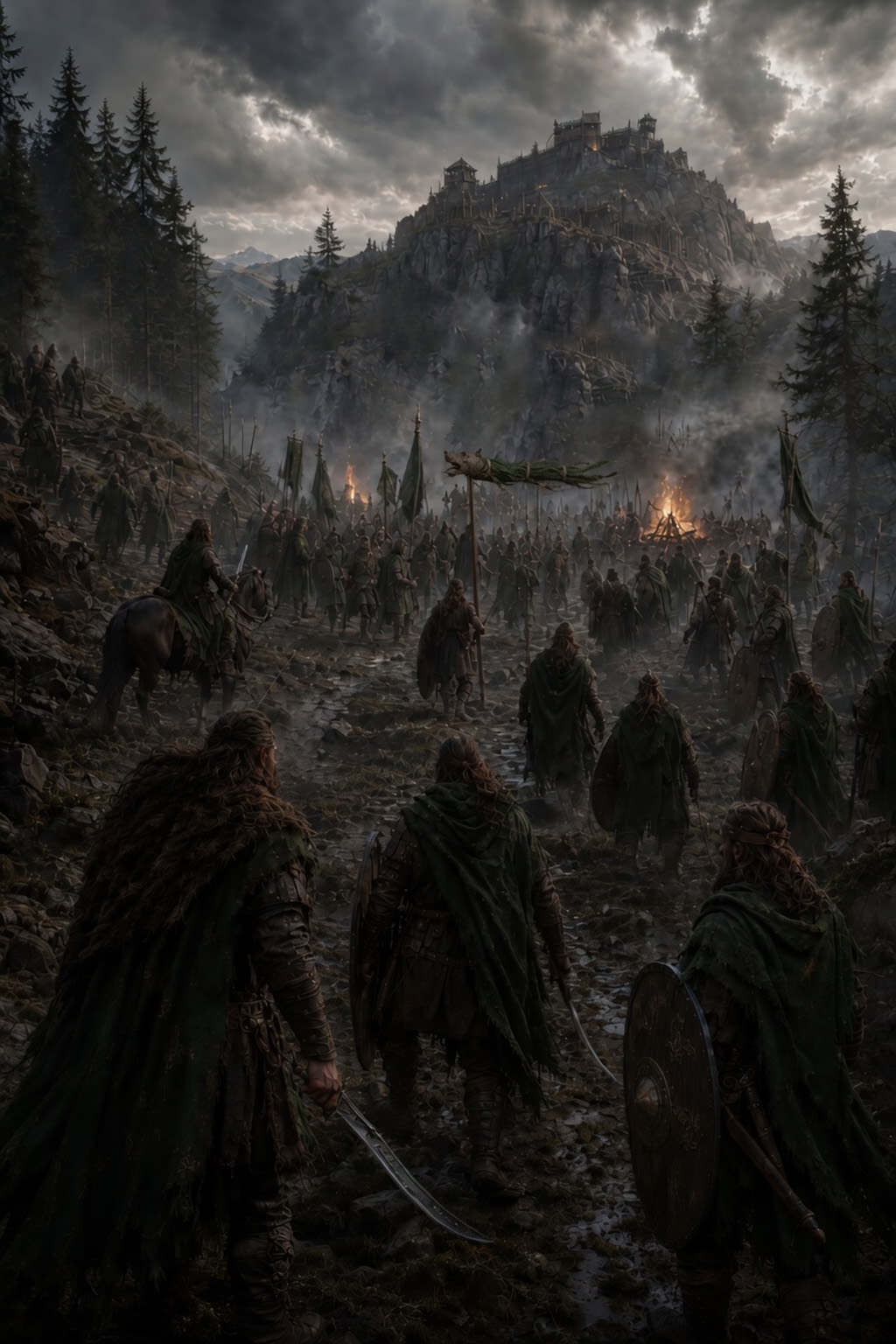
Call of the Tribes
Dacian kings gathered strength through tribal levies, noble followings, and regional alliances rather than a permanent standing army.
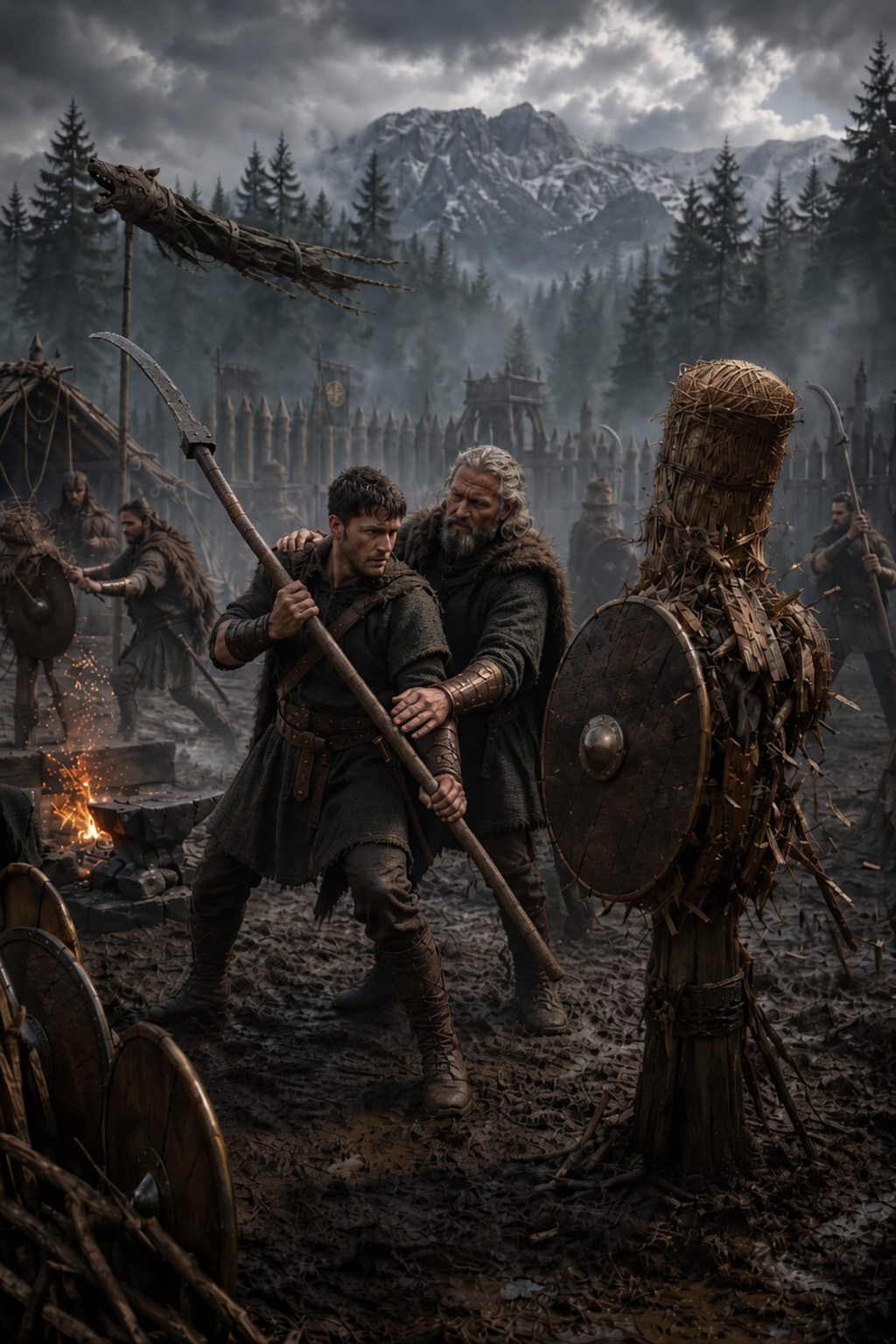
Falx Drills
Specialized weapons such as the falx required practiced timing, spacing, and aggressive use in close combat.
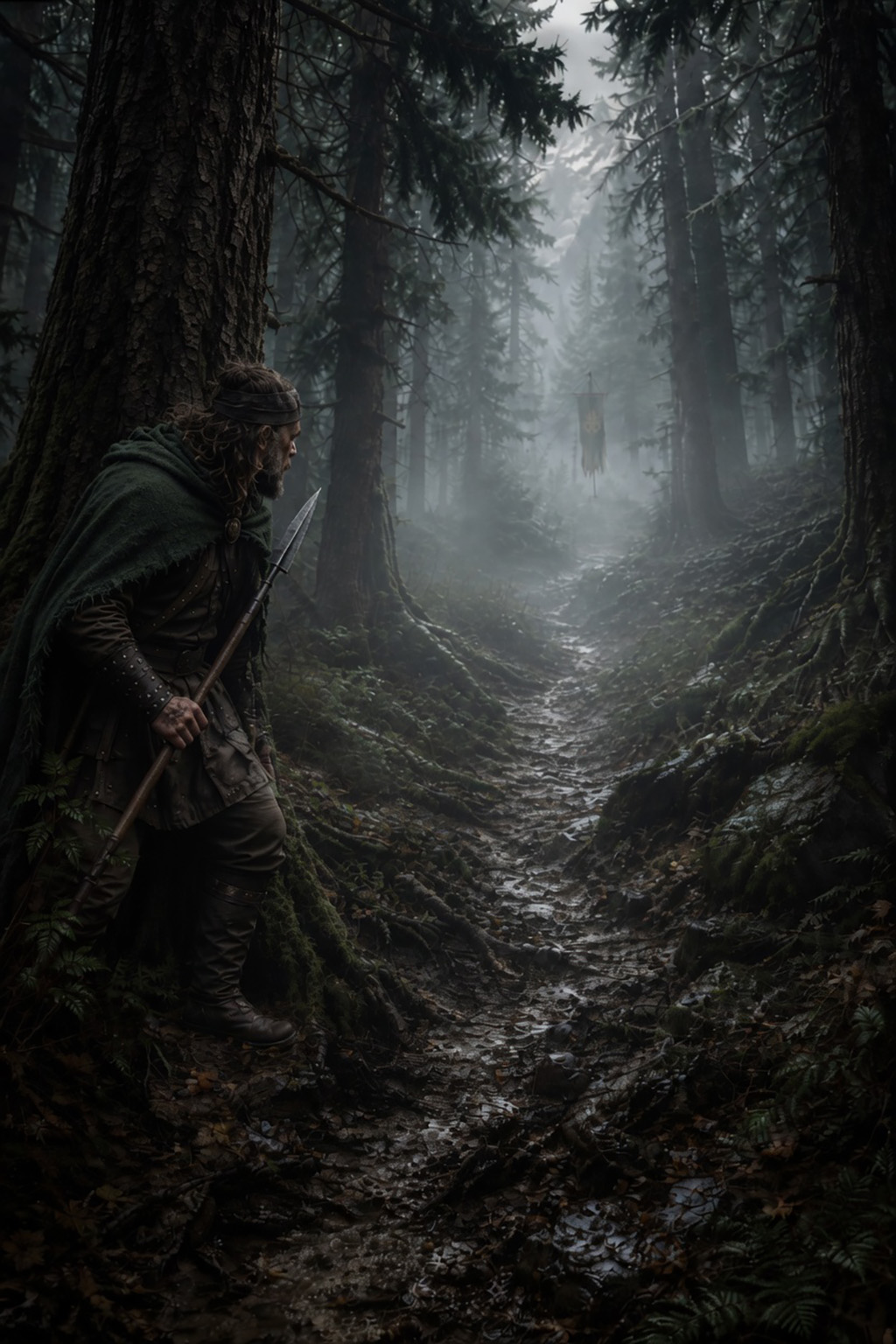
Forest Paths
Wooded paths and upland routes favored ambush, concealment, and local defenders familiar with rough country.
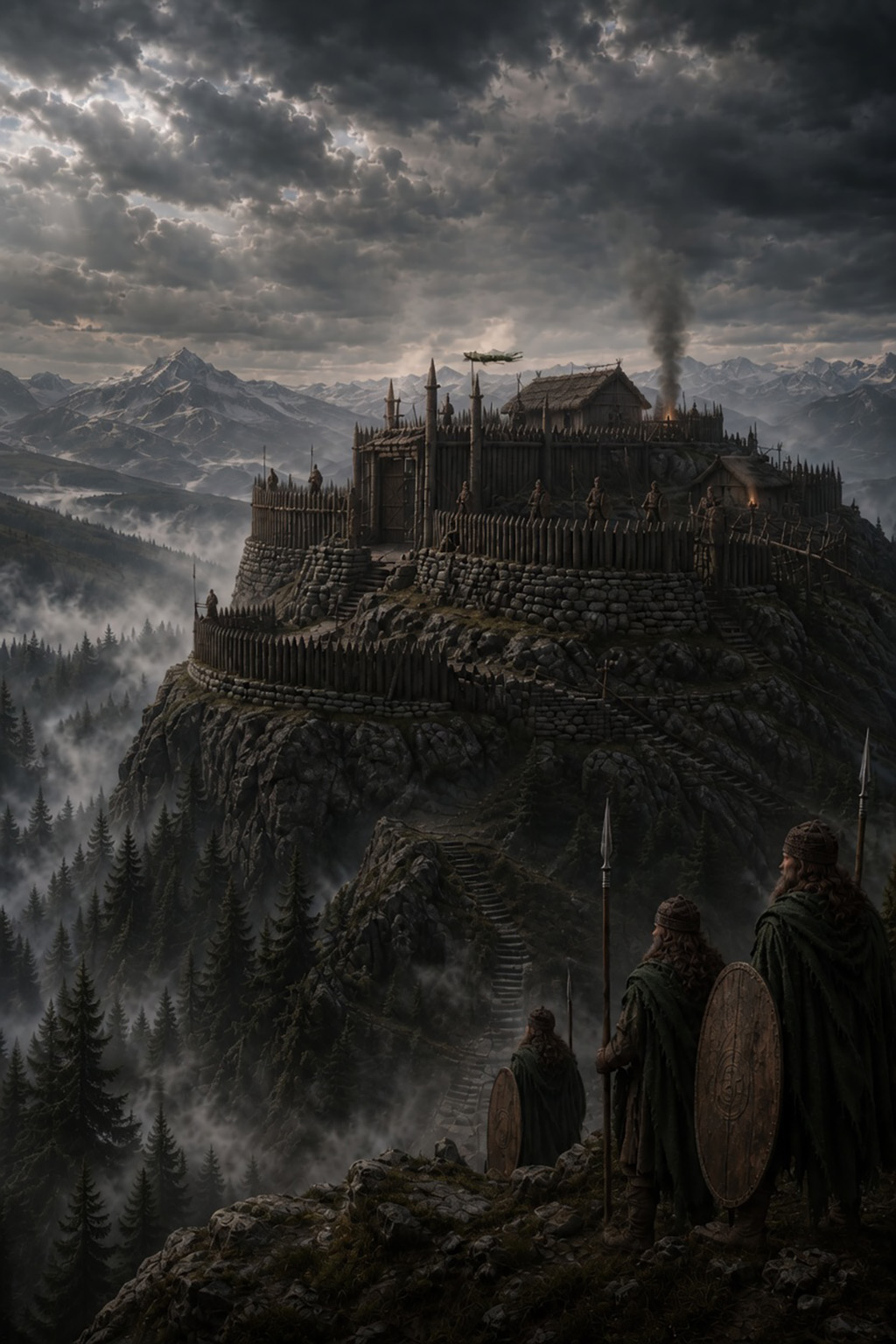
Hill Fort
Dacian power relied in part on fortified hilltop strongholds linked to strategic passes and defensive depth.
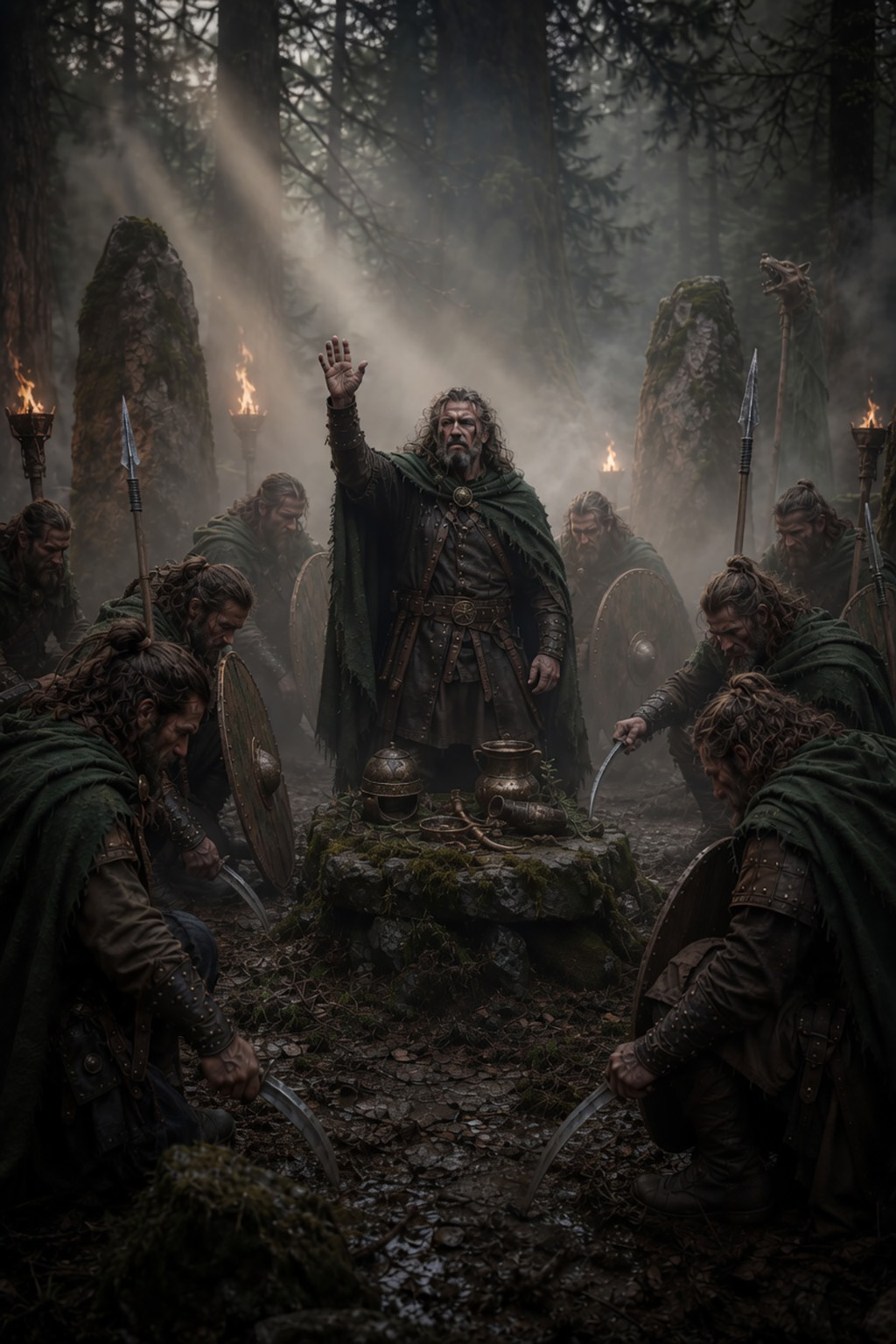
Sacred Grove Oath
Sacred groves and religious oaths reflect the close link between warfare, leadership, and cult in many tribal societies.
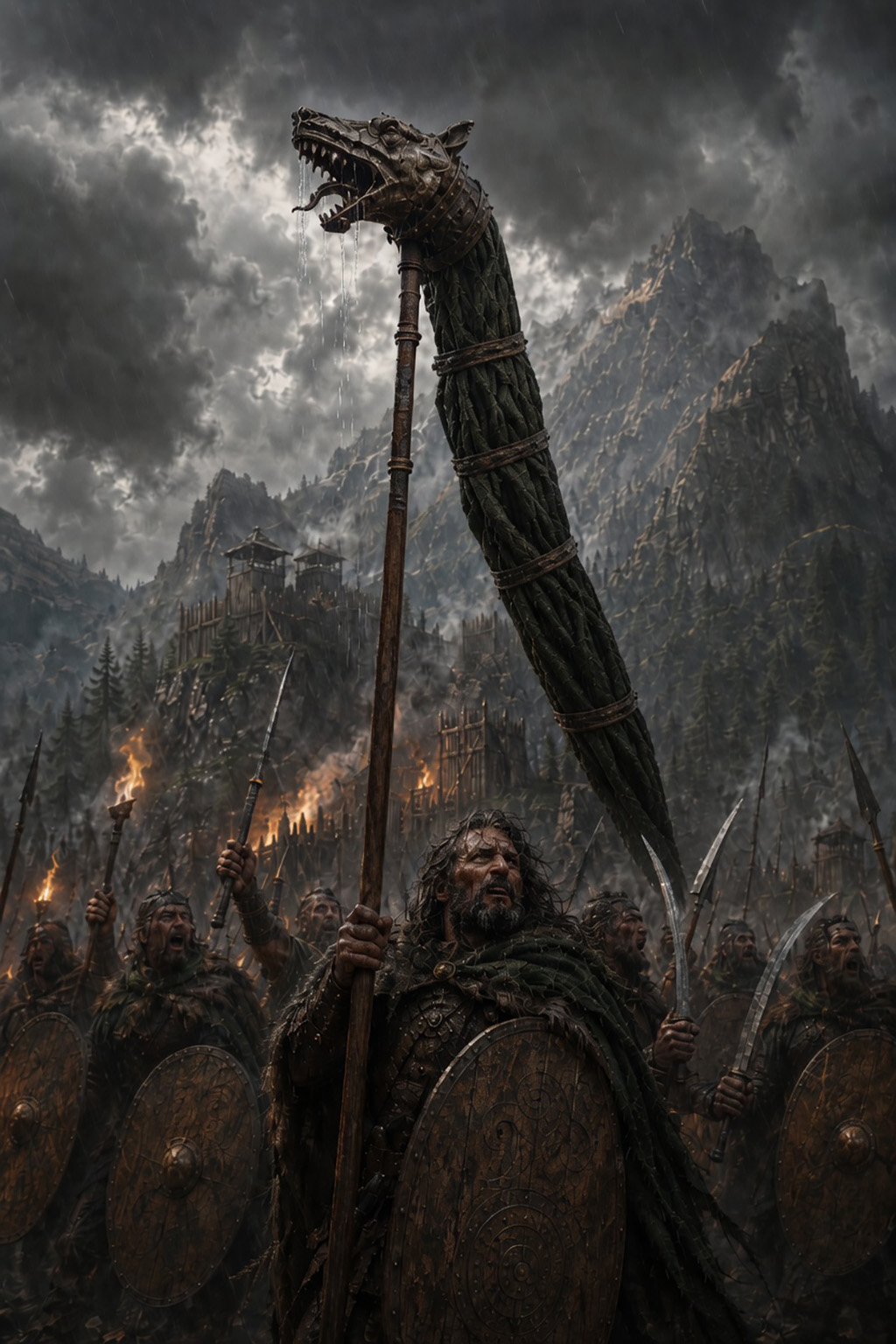
Wolf Banner
The Dacian draco standard likely served as both a rallying symbol and an emblem of martial identity.
Tactics (5)
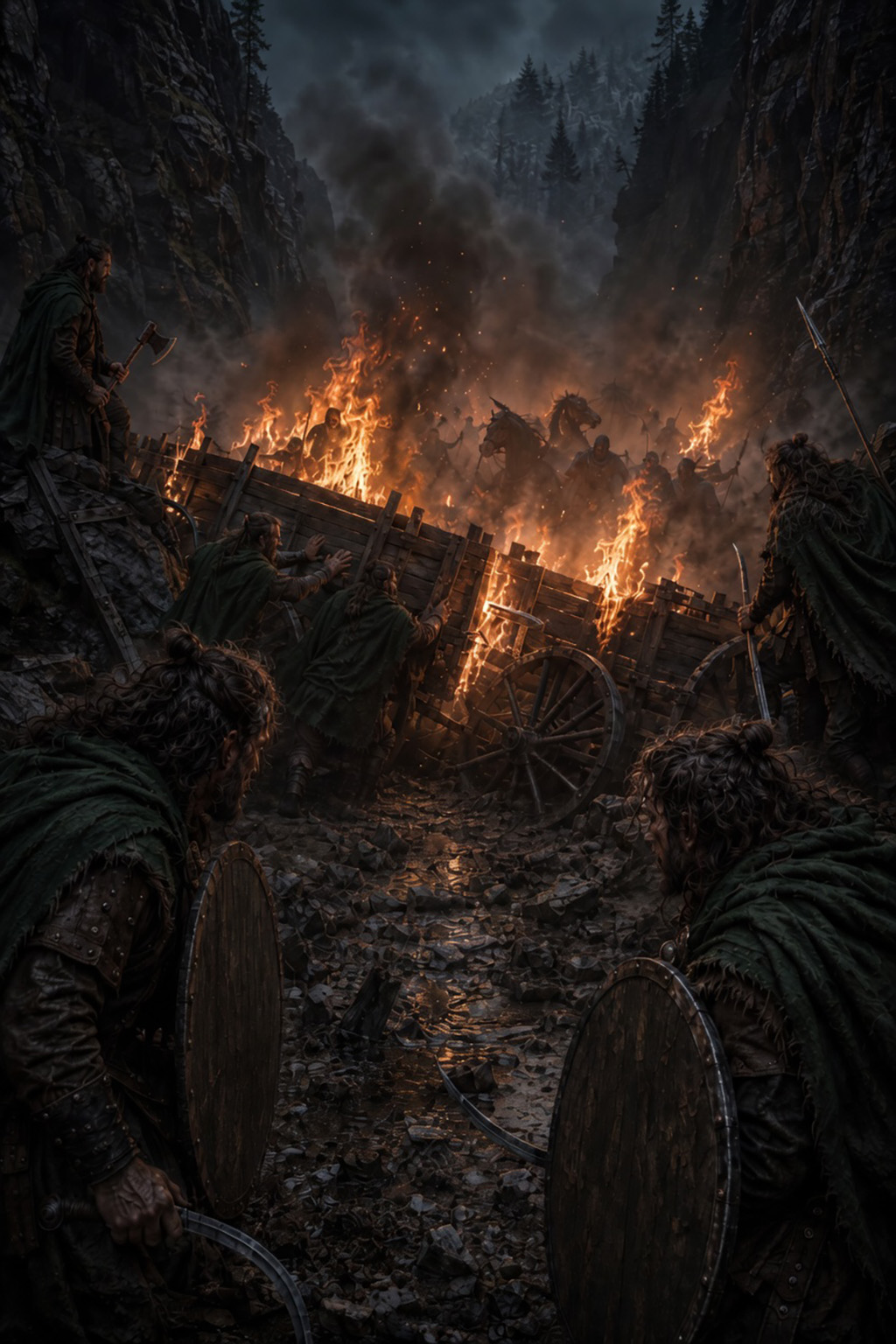
Burning Wagons
Improvised battlefield obstacles and fire could disrupt movement, frighten animals, and break an attacker’s rhythm.
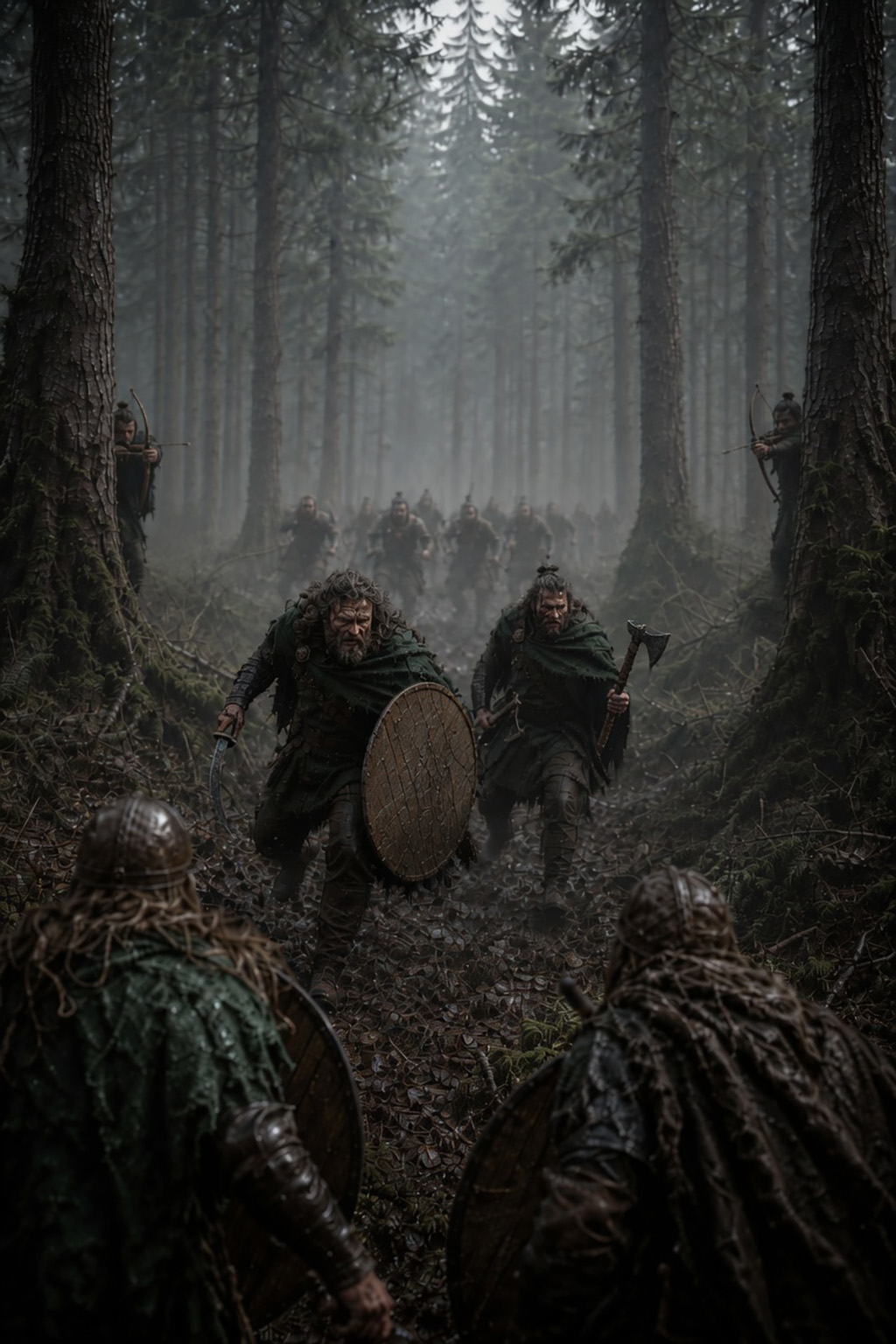
Forest Ambush
Ambush in wooded terrain was a natural method for forces defending familiar uplands against organized invaders.
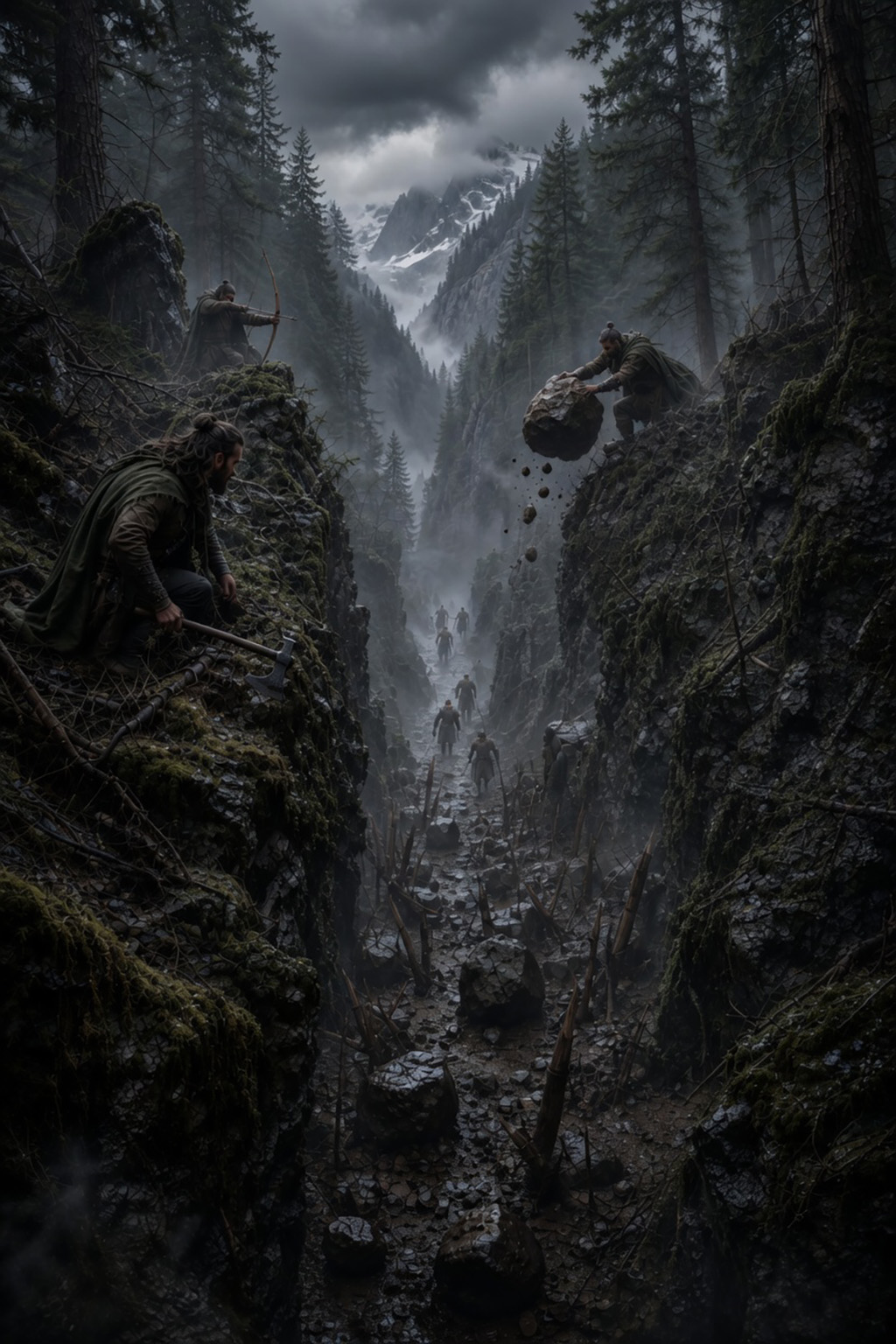
Hidden Ravine
Narrow ravines and broken upland ground offered ideal terrain for surprise defense and delayed movement.
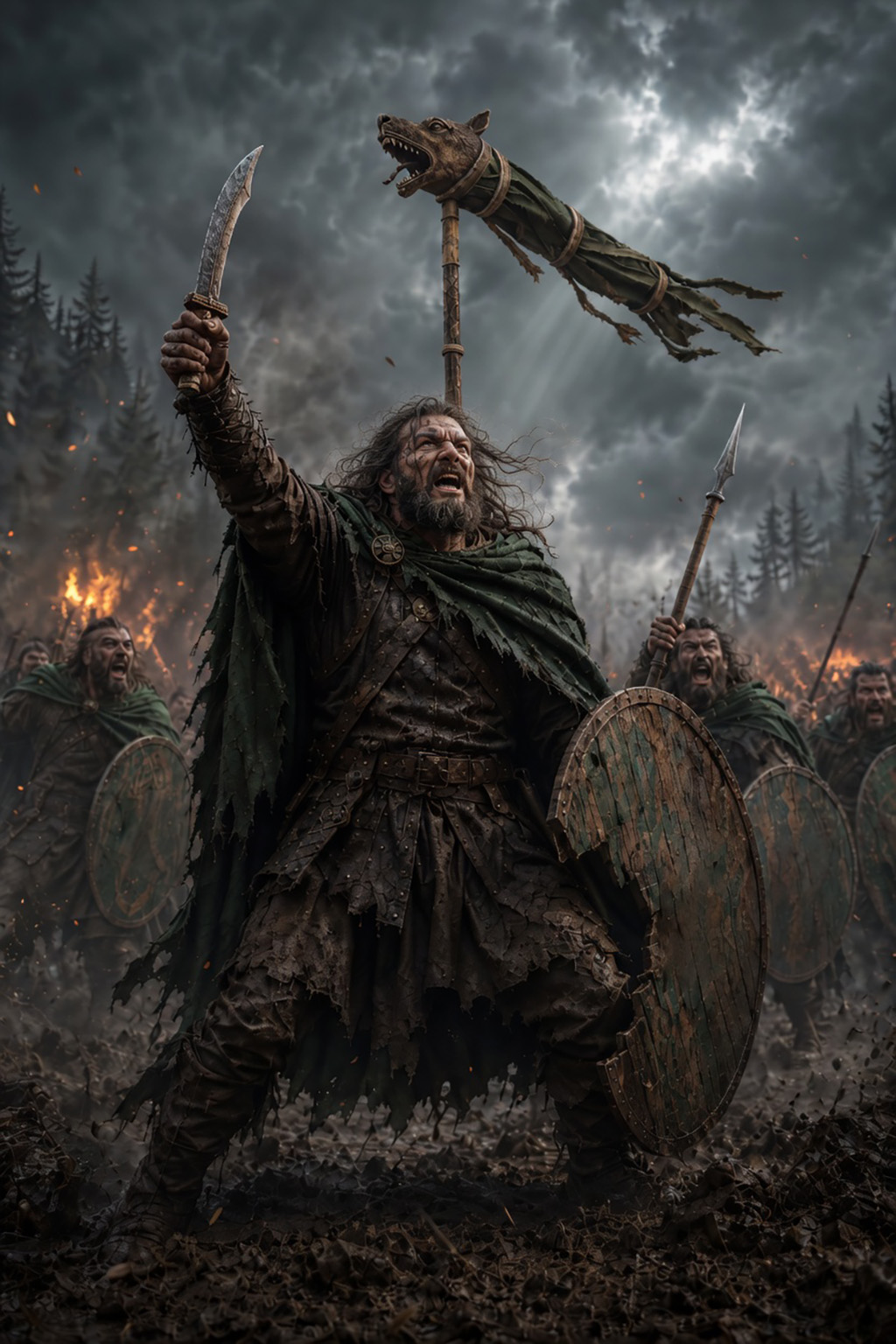
Last Cry of the Wolf
Animal symbolism, especially the wolf, had strong resonance in Dacian martial identity and warrior imagery.
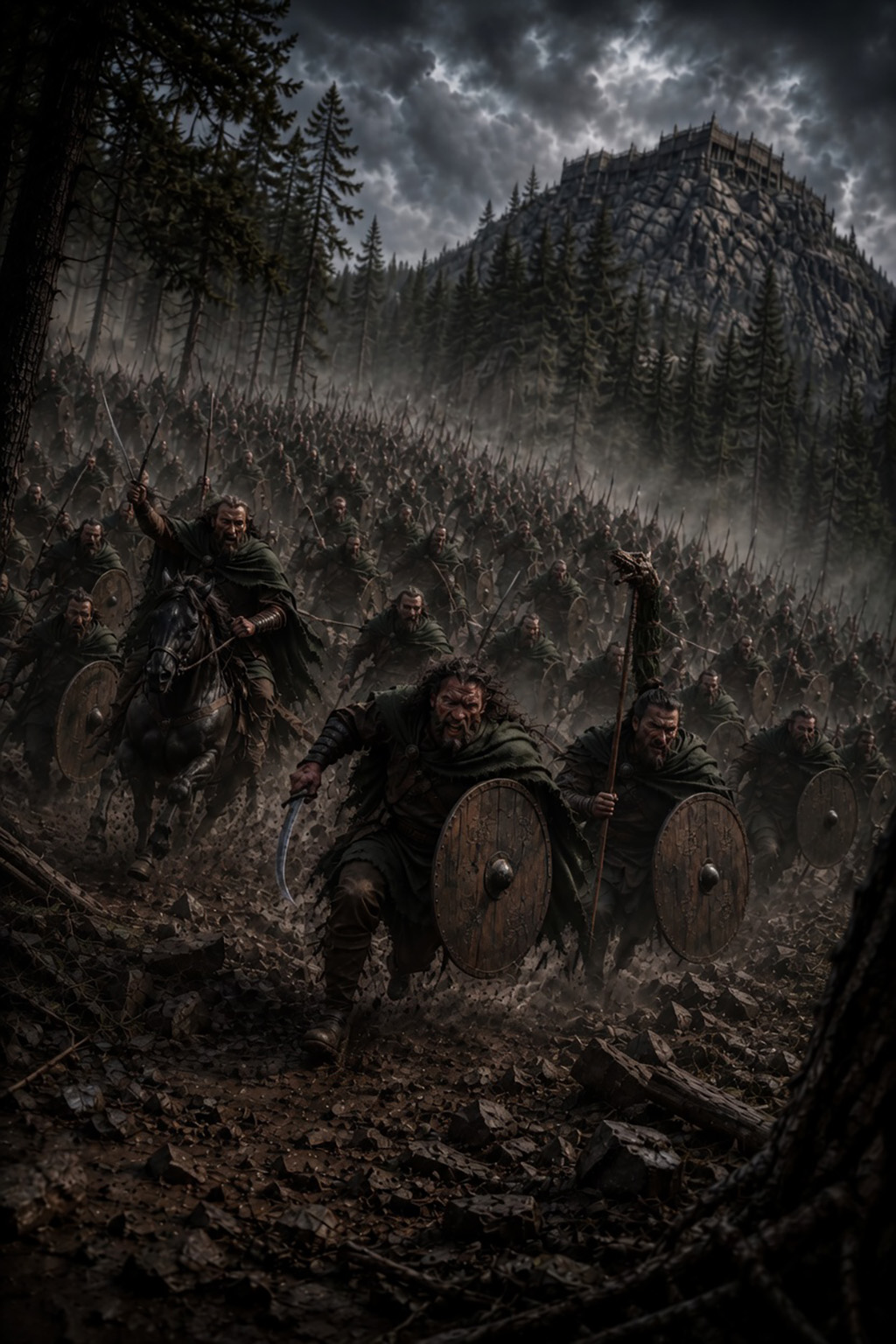
Sudden Charge
Irregular and tribal warfare often exploited short, violent charges at moments of confusion or local weakness.